
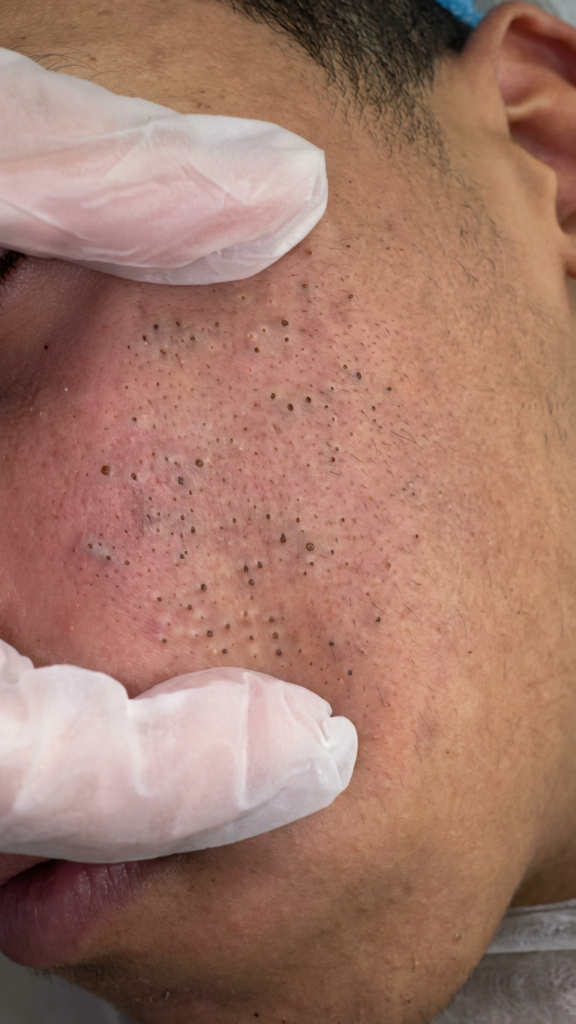
Acne is one of the most common skin problems in the world. Many people think acne only causes pimples, redness, or oily skin. But sometimes acne can also create a burning feeling on the face. This burning sensation may feel mild for some people and very painful for others. If your acne burns, stings, or feels irritated, it is important to understand the causes and how to treat it properly.
In this article, you will learn why acne causes burning, common triggers, the best treatments, and useful skincare tips to calm your skin naturally.
What Does Burning Acne Feel Like?
Burning acne can feel different for every person. Some people experience:
- Stinging skin
- Warmth on the face
- Red and irritated pimples
- Itchy acne
- Pain while washing the face
- Tight or dry skin
- Sensitivity after applying skincare products
The burning may happen only around pimples or across the entire face.
Main Causes of Burning Acne
There are many reasons acne may burn or sting. Understanding the real cause can help you choose the right treatment.
1. Inflamed Acne
When acne becomes swollen and infected, the skin gets inflamed. Inflammation increases blood flow and irritation, which can create a burning feeling.
Common inflammatory acne includes:
- Red pimples
- Cystic acne
- Painful bumps under the skin
- Pustules filled with pus
Inflamed acne is usually more painful than normal blackheads or whiteheads.
2. Overuse of Acne Products
Many acne treatments contain strong ingredients. Using too much can damage your skin barrier and cause burning.
Common irritating ingredients include:
- Salicylic acid
- Benzoyl peroxide
- Retinoids
- Alcohol-based toners
- Strong exfoliants
If you apply these products too often, your skin may become dry, red, and sensitive.
3. Damaged Skin Barrier
Your skin barrier protects the face from bacteria and moisture loss. When this barrier becomes weak, the skin can burn easily.
Signs of a damaged skin barrier include:
- Dry patches
- Flaking
- Redness
- Tightness
- Burning after washing the face
A damaged barrier is common in people who use harsh skincare products daily.
4. Allergic Reactions
Sometimes acne products, makeup, or face washes can trigger allergies.
Symptoms may include:
- Burning
- Swelling
- Itching
- Rash
- Red spots
If the burning starts suddenly after using a new product, it may be an allergic reaction.
5. Sun Exposure
Too much sunlight can make acne worse and increase irritation. Sunburned skin often feels hot and painful, especially if acne is already present.
The sun can also dry out the skin, leading to more inflammation and burning.
6. Picking or Scratching Pimples
Touching acne repeatedly damages the skin. Picking pimples can create wounds, irritation, and burning sensations.
It also increases the risk of:
- Acne scars
- Infection
- Dark spots
Skin Conditions That Look Like Burning Acne
Sometimes the problem may not be regular acne. Other skin conditions can also cause redness and burning.
Rosacea
Rosacea causes:
- Facial redness
- Burning skin
- Sensitive bumps
- Visible blood vessels
Many people mistake rosacea for acne.
Contact Dermatitis
This condition happens when the skin reacts badly to a product or chemical.
Fungal Acne
Fungal acne may cause itchy, burning bumps that look similar to regular acne.
If your skin irritation becomes severe, a dermatologist can help identify the real problem.
Best Treatments for Burning Acne
The right treatment depends on the cause of irritation.
1. Use Gentle Face Cleansers
Avoid harsh soaps and strong scrubs.
Choose a cleanser that is:
- Fragrance-free
- Alcohol-free
- Non-comedogenic
- Gentle for sensitive skin
Wash your face only twice daily.
2. Stop Using Harsh Products Temporarily
If your face burns badly, stop using strong acne treatments for a few days.
Give your skin time to heal before restarting active ingredients slowly.
3. Moisturize Your Skin
Many people with acne avoid moisturizer, but dry skin can worsen burning.
Use a lightweight moisturizer that helps repair the skin barrier.
Look for ingredients like:
- Ceramides
- Hyaluronic acid
- Aloe vera
- Niacinamide
4. Apply Cold Compresses
A cold compress can calm inflamed acne quickly.
How to use it:
- Wrap ice in a clean cloth
- Apply gently for 5 minutes
- Repeat 2–3 times daily
Do not place ice directly on the skin.
5. Use Sunscreen Daily
Sun exposure increases redness and irritation.
Choose a sunscreen that is:
- Oil-free
- Non-comedogenic
- SPF 30 or higher
Sunscreen also helps prevent acne scars and dark spots.
6. Avoid Scrubbing the Face
Aggressive scrubbing damages the skin barrier.
Instead:
- Wash gently with fingertips
- Pat dry with a soft towel
- Avoid rough exfoliators
Natural Remedies for Burning Acne
Some natural ingredients may help calm irritated skin.
Aloe Vera
Aloe Vera is popular for soothing inflamed skin. It may reduce redness and provide cooling relief.
Honey
Honey has antibacterial properties that may help acne-prone skin.
Green Tea
Green Tea contains antioxidants that may reduce inflammation.
Always patch test natural remedies before applying them to the entire face.
Foods That May Trigger Acne Irritation
Diet affects skin health for some people.
Foods that may worsen acne include:
- Sugary drinks
- Fast food
- Excess dairy
- Fried foods
- Processed snacks
Instead, focus on:
- Fruits
- Vegetables
- Water
- Nuts
- Healthy proteins
A balanced diet supports healthier skin.
When to See a Dermatologist
You should visit a skin specialist if:
- Acne becomes extremely painful
- Burning lasts for weeks
- Skin peels severely
- Pimples leave deep scars
- Over-the-counter products do not help
A dermatologist may recommend prescription creams, antibiotics, or other treatments.
Daily Skincare Routine for Burning Acne
Here is a simple routine for sensitive acne-prone skin:
Morning
- Gentle cleanser
- Lightweight moisturizer
- Sunscreen SPF 30+
Night
- Gentle cleanser
- Acne treatment (only if tolerated)
- Moisturizer
Keep your routine simple to avoid further irritation.
Tips to Prevent Acne Burning
- Do not overuse acne products
- Avoid touching your face
- Stay hydrated
- Clean pillowcases regularly
- Remove makeup before sleeping
- Use gentle skincare products
- Avoid popping pimples
Small daily habits can improve your skin over time.
Conclusion
Burning acne is usually a sign of skin irritation, inflammation, or a damaged skin barrier. Harsh products, inflamed pimples, allergies, and excessive sun exposure are common causes. The good news is that gentle skincare, proper hydration, and avoiding irritating ingredients can help calm the skin.
Treat your skin carefully and avoid aggressive treatments. Healthy skin takes time, patience, and consistency. If your acne burning becomes severe or painful, speaking with a dermatologist is the best option for safe treatment.