
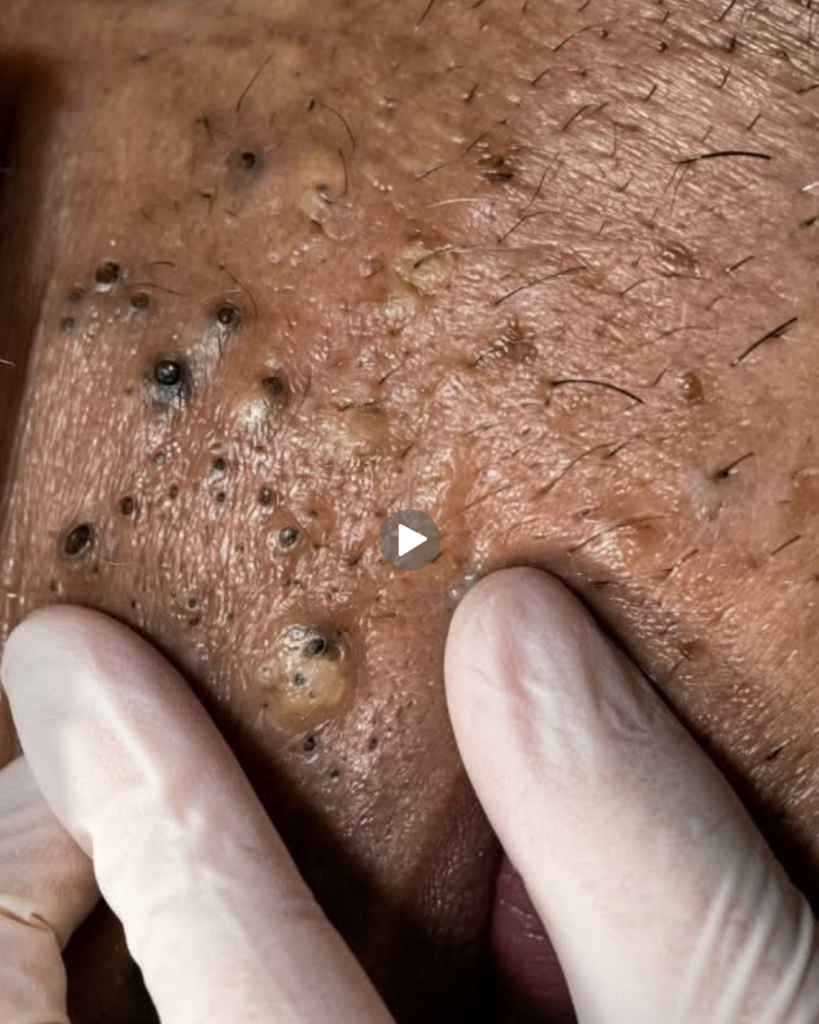
Nose acne can feel frustrating, especially when a painful pimple suddenly appears before an important day. Many people search for quick overnight tricks that can calm redness, reduce swelling, and make the skin look healthier by morning. While acne may not disappear completely in a single night, the right natural care routine can make a huge difference. The nose is one of the oiliest parts of the face, so dirt, sweat, and extra oil often block pores easily. With simple home remedies and smart skincare habits, you can reduce acne naturally without harsh chemicals.
The first and most important step is gentle cleansing. Before going to bed, wash your face with lukewarm water and a mild cleanser. Avoid strong soaps because they can irritate the skin and make acne worse. Cleaning the nose properly removes oil, bacteria, and dust that build up during the day. After washing, gently pat the skin dry with a soft towel instead of rubbing. Rubbing can damage sensitive skin and increase redness around pimples.
Ice therapy is one of the fastest natural tricks for reducing swollen acne overnight. Wrap a small ice cube in a clean cloth and place it on the affected area for about one minute. Take short breaks between applications. Ice helps reduce inflammation, calm redness, and shrink the appearance of pores. Many people notice their pimples look less angry and painful after using cold therapy before sleeping.
Honey is another powerful natural remedy for nose acne. Pure honey contains antibacterial and soothing properties that help calm irritated skin. Apply a small drop of honey directly on the pimple and leave it for twenty minutes or overnight if your skin tolerates it well. Honey keeps the skin moisturized while fighting acne-causing bacteria naturally. By morning, the pimple may appear flatter and less red.
Aloe vera gel is also famous for overnight acne care. Fresh aloe vera from the plant works best, but pure store-bought gel can help too. Aloe vera cools the skin and supports healing. Apply a thin layer on the nose before bed. It helps reduce irritation and prevents the skin from becoming too dry. Aloe vera is especially useful for people with sensitive skin who cannot handle strong acne treatments.
Tea tree oil is another natural ingredient known for fighting acne bacteria. However, it must always be diluted because strong tea tree oil can burn the skin. Mix one drop with a little water or aloe vera gel, then gently dab it on the acne spot using a cotton swab. Leave it overnight. Many people see reduced swelling and oiliness the next morning. If irritation occurs, wash it off immediately.
One simple but effective trick is changing your pillowcase regularly. Dirty pillowcases collect oil, sweat, and bacteria from your face and hair. Sleeping on a clean pillowcase reduces the chance of bacteria touching your skin during the night. Cotton pillowcases are usually better because they allow the skin to breathe more easily.
Another important tip is avoiding touching or squeezing the acne. Many people try to pop pimples at night hoping they will disappear by morning. Unfortunately, this often pushes bacteria deeper into the skin and causes more redness, swelling, or even scars. It is better to use calming remedies and allow the skin to heal naturally.
Steam can also help unclog pores before bedtime. Fill a bowl with warm water and let the steam touch your face for a few minutes. This softens oil and dirt trapped inside the pores. After steaming, wash your face gently and apply a light natural treatment like aloe vera or honey. Be careful not to use very hot steam because it can irritate sensitive skin.
Turmeric is another traditional remedy used in many homes for acne care. Turmeric contains anti-inflammatory properties that may help calm pimples naturally. Mix a small amount of turmeric powder with honey or yogurt to create a paste. Apply it carefully on the nose acne for ten to fifteen minutes before washing it off. Because turmeric can leave a yellow stain, use only a small amount.
Hydration also plays a major role in skin health. Drinking enough water during the evening helps the body remove toxins and maintain balanced skin moisture. Dehydrated skin may produce extra oil, which can worsen acne. A glass of water before bed may support healthier skin overnight.
Diet can influence acne as well. Sugary snacks, oily fast food, and excessive dairy sometimes trigger breakouts for certain people. Eating fresh fruits, vegetables, and foods rich in vitamins may support clearer skin over time. While diet changes may not remove acne in one night, healthy eating habits improve skin naturally in the long run.
Getting enough sleep is another hidden secret for acne recovery. During sleep, the body repairs damaged skin cells and reduces stress levels. Stress often increases acne because it affects hormone balance and oil production. Sleeping for seven to eight hours gives your skin time to recover and heal more effectively.
Some people use lemon juice for acne, but it should be used carefully. Lemon is acidic and can irritate sensitive skin, especially on the nose area. If you want to try it, mix a few drops with water and apply lightly for only a few minutes before washing off. Never leave strong lemon juice on the skin overnight because it may cause dryness or burning.
A healthy nighttime skincare routine is more powerful than aggressive treatments. Overusing products can weaken the skin barrier and increase irritation. Keeping the routine simple with gentle cleansing, hydration, and natural calming ingredients often gives better results. Consistency matters more than using too many products at once.
Another smart overnight trick is using non-comedogenic skincare products. This means products that do not block pores. Heavy creams and oily cosmetics may trap dirt inside the skin and worsen nose acne. Choosing lightweight skincare products helps the pores stay cleaner.
Exercise can also support clearer skin because it improves blood circulation. However, sweat should always be cleaned from the skin afterward. Leaving sweat on the nose for long periods may mix with oil and clog pores. Washing the face after workouts is important for acne prevention.
If acne becomes very painful, spreads quickly, or continues for a long time, consulting a skin specialist may help. Some acne is connected to hormones, allergies, or deeper skin conditions that need professional treatment. Natural remedies can support the skin, but severe acne sometimes requires medical care.
In conclusion, overnight improvement for nose acne is possible with the right natural care methods. Gentle cleansing, ice therapy, honey, aloe vera, diluted tea tree oil, hydration, clean pillowcases, and proper sleep can all help reduce redness and swelling by morning. Healthy skin usually comes from consistent care rather than harsh treatments. By following simple nighttime habits and avoiding irritation, you can support clearer, calmer skin naturally and safely.