
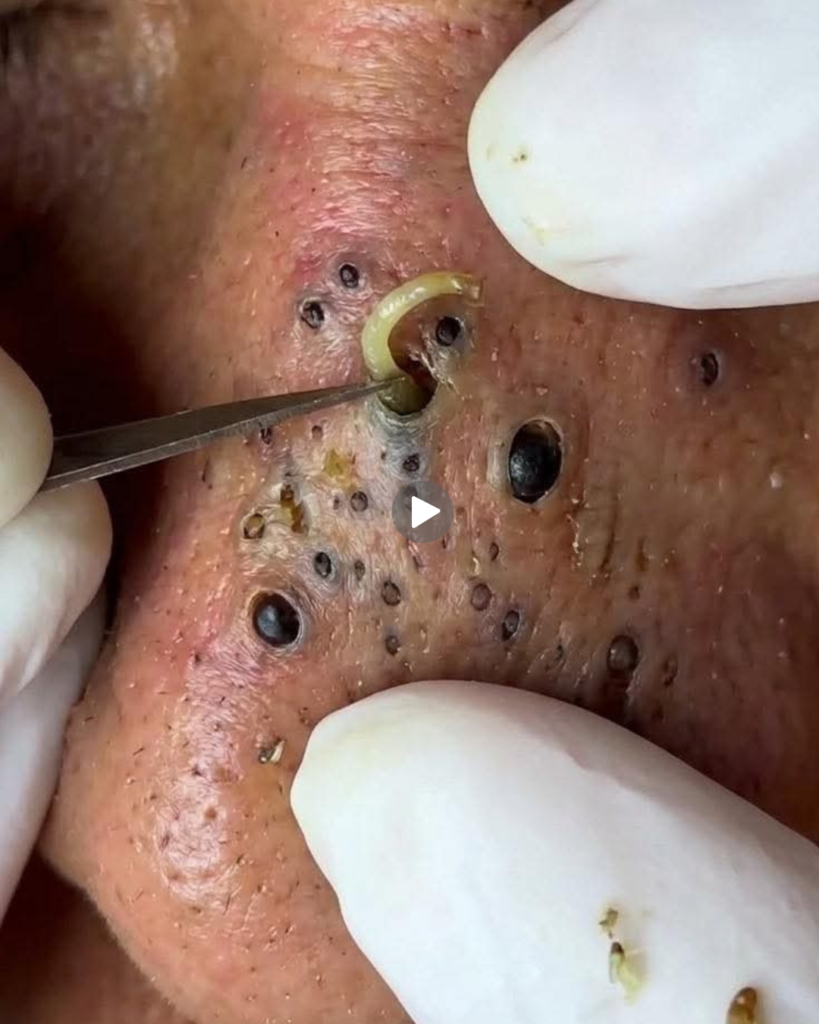
Acne is one of the most common skin problems in the world. It affects teenagers, adults, men, and women. Many people feel frustrated when pimples suddenly appear on their cheeks, forehead, nose, or chin. Some acne disappears quickly, while other breakouts can last for weeks and leave scars behind. Understanding why acne appears on the face is the first step toward healthier and cleaner skin.
What Is Acne?
Acne is a skin condition that happens when hair follicles become blocked with oil, dead skin cells, bacteria, and dirt. The skin naturally produces an oily substance called sebum. Sebum helps protect and moisturize the skin. However, when the body produces too much oil, pores become clogged, leading to pimples, blackheads, whiteheads, and painful cysts.
Acne can appear in different forms, including:
- Whiteheads
- Blackheads
- Small red bumps
- Painful pimples
- Cystic acne
- Acne scars
Facial acne is especially common because the face contains many oil glands.
Main Reasons Why Acne Appears on the Face
1. Excess Oil Production
One of the biggest causes of acne is excess oil on the skin. Sebaceous glands produce oil to keep the skin soft, but sometimes these glands become overactive. When too much oil mixes with dead skin cells, pores become blocked.
People with oily skin are usually more likely to experience acne breakouts. The forehead, nose, and chin area — often called the T-zone — produces the most oil.
2. Hormonal Changes
Hormones play a major role in acne development. During puberty, the body produces more androgens, which increase oil production in the skin. This is why teenagers often struggle with acne.
Hormonal acne can also affect adults due to:
- Pregnancy
- Menstrual cycles
- Stress
- Hormonal disorders
- Certain medications
Many women notice breakouts before their monthly period because hormone levels change during this time.
3. Clogged Pores
Dead skin cells naturally shed every day. Sometimes these cells do not leave the skin properly and become trapped inside pores. When mixed with oil and bacteria, pimples begin to form.
Using heavy makeup, oily creams, or not washing the face properly can increase pore blockage.
4. Bacteria on the Skin
A bacteria called Cutibacterium acnes lives naturally on human skin. When pores become clogged, bacteria multiply inside them. This causes redness, swelling, and inflammation.
Inflamed pimples are usually painful and may contain pus.
5. Poor Skincare Habits
Improper skincare routines can make acne worse. Some common mistakes include:
- Sleeping with makeup on
- Washing the face too much
- Using harsh soaps
- Touching pimples frequently
- Using dirty towels or pillowcases
Overwashing can remove natural oils from the skin, causing the body to produce even more oil.
6. Unhealthy Diet
Certain foods may trigger acne in some people. Diet does not always directly cause acne, but unhealthy eating habits can worsen breakouts.
Foods commonly linked with acne include:
- Sugary snacks
- Soft drinks
- Fast food
- Fried foods
- Excess dairy products
Eating fruits, vegetables, whole grains, and drinking enough water may help improve skin health.
7. Stress and Lack of Sleep
Stress affects the entire body, including the skin. When stress levels rise, the body releases hormones that increase oil production.
Lack of sleep can also weaken the skin’s ability to heal properly. Many people notice more pimples during stressful times such as exams, work pressure, or emotional problems.
8. Genetics
Sometimes acne runs in families. If parents had severe acne, their children may also be more likely to develop it. Genetics can influence:
- Skin type
- Oil production
- Hormonal sensitivity
- Inflammation levels
Although genetics cannot be changed, proper skincare can still help control acne.
9. Dirty Environment and Pollution
Dust, sweat, and pollution can stick to the skin and clog pores. Living in polluted areas or sweating heavily without washing the face may increase acne risk.
Wearing helmets, tight masks, or hats for long periods can also trap sweat and oil against the skin.
10. Using Wrong Skincare Products
Some skincare and cosmetic products contain heavy oils that block pores. Products labeled “non-comedogenic” are usually safer for acne-prone skin.
People with sensitive skin should avoid products containing:
- Strong alcohol
- Heavy fragrance
- Thick oils
- Harsh scrubs
Choosing gentle cleansers and lightweight moisturizers is important.
Types of Facial Acne
Blackheads
Blackheads are open clogged pores. The dark color is caused by oxidation when oil contacts air.
Whiteheads
Whiteheads are closed clogged pores covered by skin.
Papules
Papules are small red bumps caused by inflammation.
Pustules
Pustules contain pus and are often painful.
Cystic Acne
Cystic acne is severe and forms deep painful lumps under the skin. It can leave scars if untreated.
Areas of the Face and Possible Causes
Different areas of the face may indicate different acne triggers.
Forehead Acne
Often linked with oily skin, hair products, sweat, and stress.
Nose Acne
Usually caused by excess oil and clogged pores.
Chin and Jawline Acne
Often related to hormonal changes.
Cheek Acne
Can be caused by dirty phones, pillowcases, pollution, or touching the face frequently.
How to Prevent Facial Acne
Preventing acne requires consistent skincare habits and a healthy lifestyle.
Wash Your Face Gently
Clean your face twice daily using a mild cleanser. Avoid harsh scrubbing because it irritates the skin.
Avoid Touching Pimples
Picking acne can spread bacteria and increase scarring.
Use Oil-Free Products
Choose non-comedogenic makeup and skincare products.
Stay Hydrated
Drinking enough water helps maintain healthy skin.
Eat Healthy Foods
Focus on balanced meals rich in vitamins and minerals.
Sleep Properly
Good sleep helps the skin repair itself.
Manage Stress
Exercise, relaxation, and hobbies may help reduce stress-related acne.
Change Pillowcases Regularly
Dirty fabrics can collect oil and bacteria.
Home Remedies for Mild Acne
Some natural remedies may help reduce mild acne symptoms.
Honey
Honey has antibacterial properties and may calm inflamed skin.
Aloe Vera
Aloe vera can soothe redness and irritation.
Green Tea
Green tea contains antioxidants that may reduce oil production.
Ice
Applying ice for a few seconds may reduce swelling and redness.
Always test natural remedies carefully because some skin types are sensitive.
Medical Treatments for Acne
If acne becomes severe or painful, medical treatment may help.
Common acne treatments include:
- Benzoyl peroxide
- Salicylic acid
- Retinoids
- Antibiotics
- Hormonal treatments
- Chemical peels
- Laser therapy
A dermatologist can recommend the best treatment based on skin type and acne severity.
Can Acne Leave Scars?
Yes, severe acne can damage deeper skin layers and leave scars. Picking pimples increases the risk of permanent marks.
Types of acne scars include:
- Dark spots
- Ice pick scars
- Rolling scars
- Raised scars
Early treatment helps reduce scar formation.
When to See a Doctor
You should consult a skin specialist if:
- Acne becomes painful
- Large cysts appear
- Acne leaves scars
- Home treatments do not work
- Acne affects confidence or mental health
Professional care can prevent long-term skin damage.
Conclusion
Acne appears on the face for many reasons, including excess oil, hormones, bacteria, clogged pores, stress, poor diet, and improper skincare habits. While acne is very common, understanding its causes can help people manage and prevent breakouts more effectively.
Healthy skincare routines, balanced nutrition, proper sleep, hydration, and stress management all play important roles in keeping the skin clear. Mild acne can often improve with home care, while severe acne may require medical treatment.
Patience is important because acne usually takes time to heal. Consistent care and healthy habits can gradually improve skin condition and help restore confidence.