
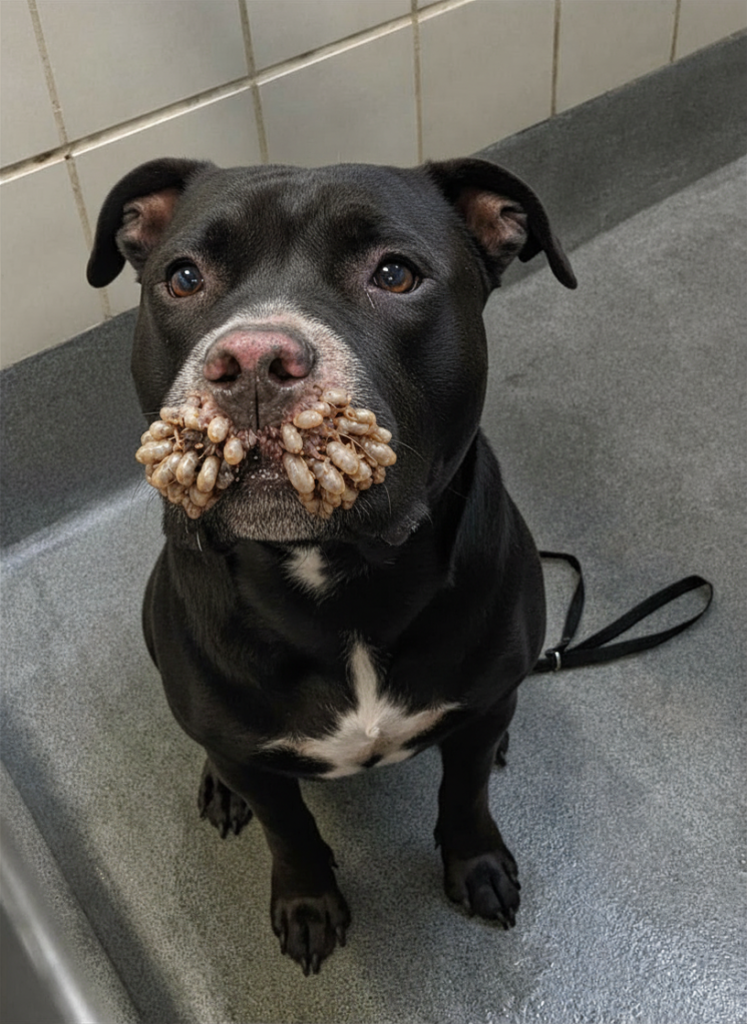
In a quiet corner of a small town, there lived a black dog whose eyes carried the weight of a thousand untold stories. His fur, once shiny and soft, had dulled over time, collecting dust and memories from the streets he wandered. No one knew where he came from, and no one asked. He simply appeared one morning near the old bakery, sitting by the door as if waiting for someone who never arrived. The baker would sometimes toss him a piece of bread, and the dog would wag his tail gently, not out of joy but out of gratitude. His movements were slow, deliberate, as though every step reminded him of something he had lost. The townspeople called him Shadow, not just because of his color but because he seemed to follow life without ever truly being part of it.
Shadow had once belonged to a family. There had been laughter, warmth, and the smell of home. A little boy used to run through the fields with him, their laughter echoing under the open sky. The boy would throw a stick, and Shadow would chase it with boundless energy, returning it proudly, his tail wagging like a flag of happiness. But time, as it always does, changed everything. The boy grew older, and the family moved away. On the day they left, Shadow chased the car down the road until his legs gave out. He waited by the roadside for days, believing they would return. The rain came, the sun rose and fell, and still, he waited. When hunger finally forced him to move, he walked toward the town, carrying with him the ghost of a life that no longer existed.
The people in town saw only a stray dog, but Shadow carried memories that no one could see. Every night, he would curl up near the bakery, his head resting on his paws, dreaming of the boy’s laughter. Sometimes, he would wake suddenly, his ears twitching, as if he had heard his name being called. But there was only silence. The world had moved on, and Shadow was left behind, a living reminder of love forgotten. Children would sometimes try to play with him, but he never barked or jumped. He would simply look at them with those deep, sorrowful eyes, as if afraid to love again.
One winter, the town was covered in snow. The bakery closed early, and the streets were empty. Shadow wandered through the cold, his paws sinking into the white ground. He found shelter under an old bench, shivering as the wind howled through the night. The next morning, a little girl found him there, his body trembling. She wrapped him in her scarf and carried him home. Her parents hesitated at first, but the girl’s tears softened their hearts. They gave him food, warmth, and a place to rest. For the first time in years, Shadow felt the touch of kindness. He began to follow the girl everywhere, his eyes watching her every move. She would talk to him as if he understood every word, and perhaps he did.
Days turned into weeks, and Shadow began to heal. His fur regained its shine, and his tail wagged more often. The girl would take him to the park, where he would sit quietly beside her as she read stories aloud. But even in those moments of peace, there was a shadow in his heart. Sometimes, he would stare into the distance, his ears perked, as if listening for a voice from the past. The girl noticed this and would gently pat his head, whispering that he was safe now. Shadow would close his eyes, comforted by her voice, yet deep inside, he knew that some wounds never truly heal.
One evening, as the sun dipped below the horizon, the girl’s family decided to move to another city. They packed their belongings, and the girl hugged Shadow tightly, promising to take him along. But fate had other plans. On the morning of their departure, Shadow slipped out of the house. He walked through the familiar streets, past the bakery, past the park, and finally reached the road where he had once watched his first family leave. He stood there for a long time, the wind ruffling his fur, his eyes fixed on the horizon. It was as if he was waiting for something—or someone. When the girl’s family realized he was gone, they searched everywhere, calling his name, but Shadow had vanished.
Days later, the baker found him lying under the same tree where he had once waited years ago. His body was still, his eyes closed, as if he had finally found peace. The baker buried him near the tree, placing a small wooden marker with the word “Shadow” carved into it. The townspeople mourned quietly, realizing that the dog who had walked among them had carried a story far deeper than they had ever known. The little girl returned to the spot years later, now grown, and placed a single flower on his grave. She whispered a thank you, not just for his loyalty but for the silent lessons he had taught her about love, loss, and the quiet strength of waiting.
Even after his passing, the memory of the black dog lingered in the town. On rainy days, some swore they could see his silhouette near the bakery door, sitting patiently as if guarding the place that had once given him warmth. Others said they heard soft footsteps following them at night, a gentle reminder that love, once given, never truly disappears. Shadow’s story became a quiet legend, told to children as they grew up—a story not of sadness alone, but of devotion that outlived time itself.
In the end, Shadow was more than just a stray dog. He was a symbol of every heart that has ever waited for something lost, every soul that has loved without expecting anything in return. His black fur, once seen as a mark of loneliness, became a symbol of resilience. The town learned from him that even in silence, there can be love; even in loss, there can be meaning. And though his body was gone, his spirit remained—a silent guardian of memories, a shadow that never truly faded.