
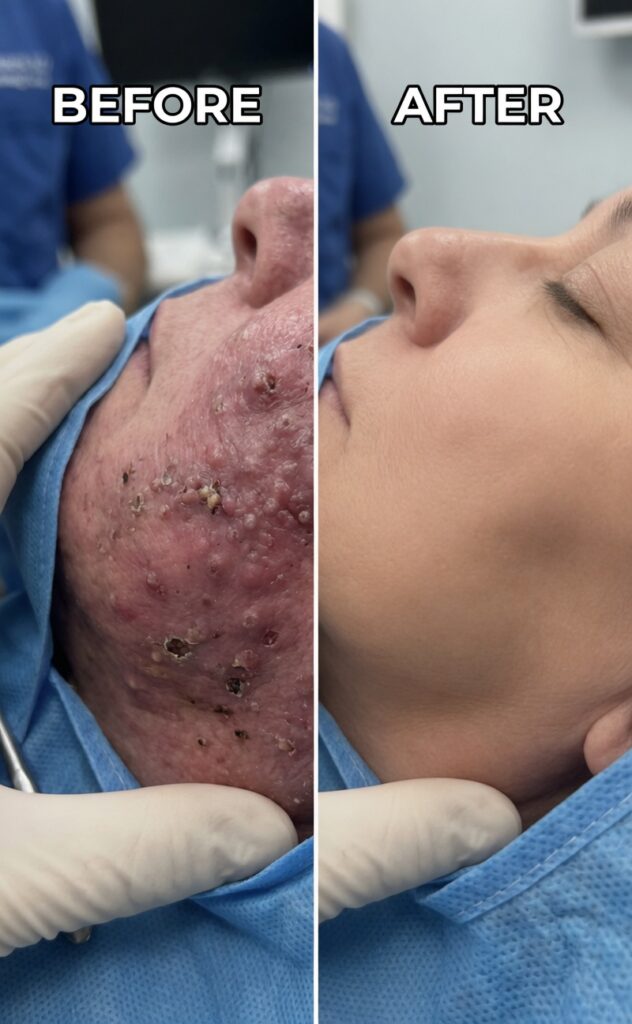
Face eczema can be frustrating, uncomfortable, and sometimes even painful. The redness, itching, dryness, and flaking can affect not only your skin but also your confidence. The good news is that many effective home treatments can help manage and reduce eczema symptoms without needing aggressive medical interventions.
In this comprehensive guide, you’ll learn what causes face eczema, how to treat it at home, and practical daily habits to keep flare-ups under control.
What Is Face Eczema?
Eczema, also known as atopic dermatitis, is a chronic skin condition that causes inflammation, dryness, and irritation. When it appears on the face, it can be especially sensitive because facial skin is thinner and more exposed to environmental triggers.
Common Symptoms:
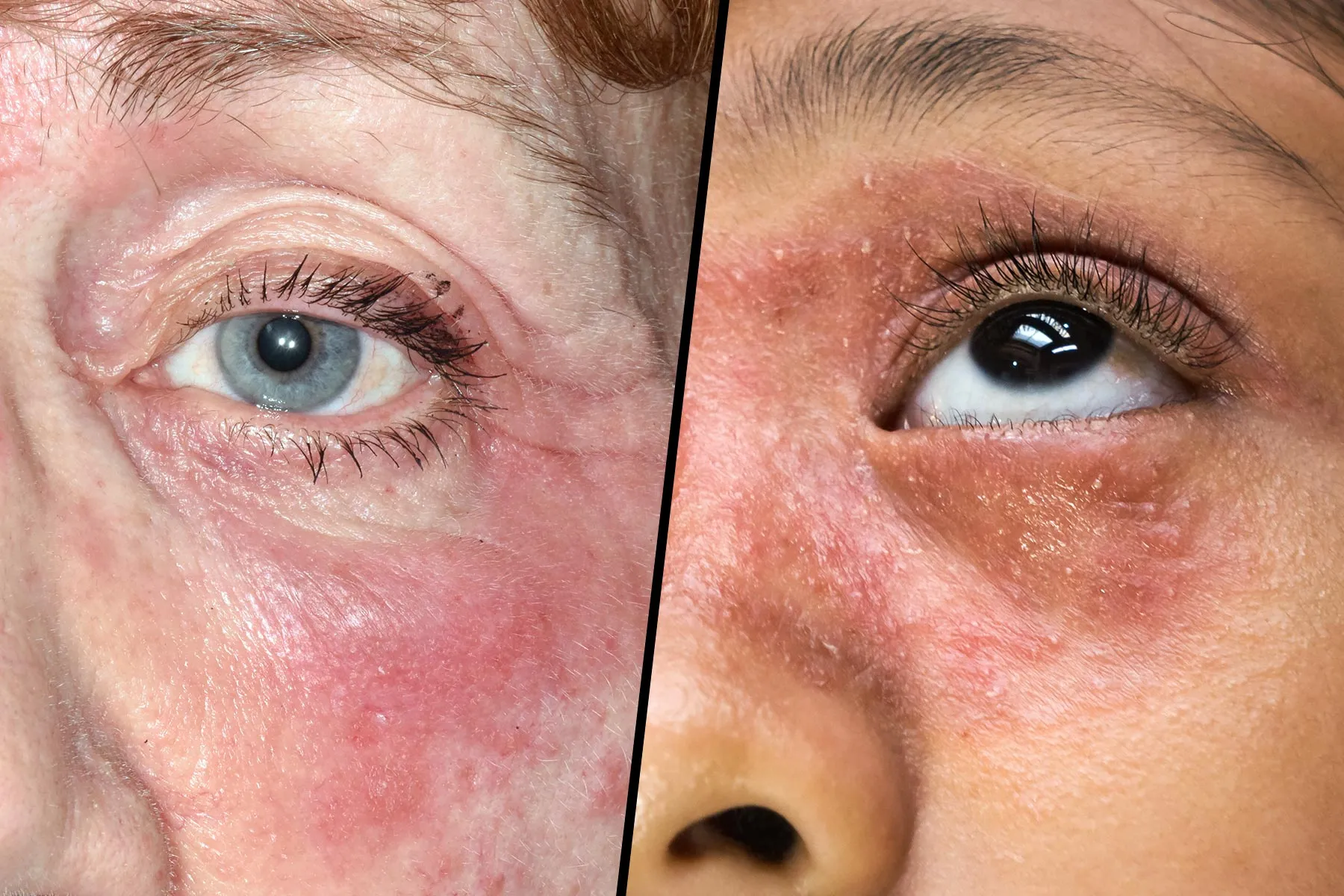
- Red or inflamed skin
- Dry, scaly patches
- Intense itching
- Burning or stinging sensation
- Cracked or peeling skin
Causes of Face Eczema
Understanding what triggers eczema is key to treating it effectively at home.
1. Skin Barrier Damage
Eczema often occurs when the skin barrier becomes weak, allowing moisture to escape and irritants to enter.
2. Allergens
Common triggers include:
- Dust mites
- Pollen
- Pet dander
- Certain foods
3. Harsh Skincare Products
Products with alcohol, fragrance, or strong chemicals can worsen eczema.
4. Weather Changes
Cold, dry air or excessive heat can trigger flare-ups.
5. Stress
Emotional stress can make symptoms worse.
Best Home Remedies for Face Eczema
1. Moisturize Regularly
Keeping your skin hydrated is the most important step.
What to use:
- Fragrance-free moisturizers
- Thick creams or ointments (better than lotions)
- Natural oils like coconut oil or almond oil
How often:
Apply at least twice daily, especially after washing your face.
2. Use Gentle Cleansers
Avoid harsh soaps that strip natural oils.
Choose:
- Mild, soap-free cleansers
- Products labeled for sensitive skin
Wash your face with lukewarm water—not hot.
3. Apply Cold Compress
A cold compress can quickly relieve itching and inflammation.
How to do it:
- Soak a clean cloth in cold water
- Apply to affected areas for 5–10 minutes
4. Try Natural Remedies
Aloe Vera
- Soothes irritation
- Reduces redness
- Promotes healing
Honey
- Natural antibacterial properties
- Helps retain moisture
Oatmeal Paste
- Mix oatmeal with water
- Apply as a soothing mask
5. Avoid Triggers
Track what worsens your eczema and eliminate those triggers.
Common irritants to avoid:
- Perfumes
- Makeup with harsh chemicals
- Synthetic fabrics touching the face
6. Keep Your Skin Hydrated from Within

Drink plenty of water throughout the day. Hydration supports skin repair and reduces dryness.
7. Use a Humidifier
Dry indoor air can worsen eczema.
A humidifier adds moisture to the air, helping your skin stay hydrated—especially during winter.
8. Manage Stress
Stress is a major trigger for many people.
Try:
- Deep breathing exercises
- Meditation
- Light physical activity like walking
Daily Skincare Routine for Face Eczema
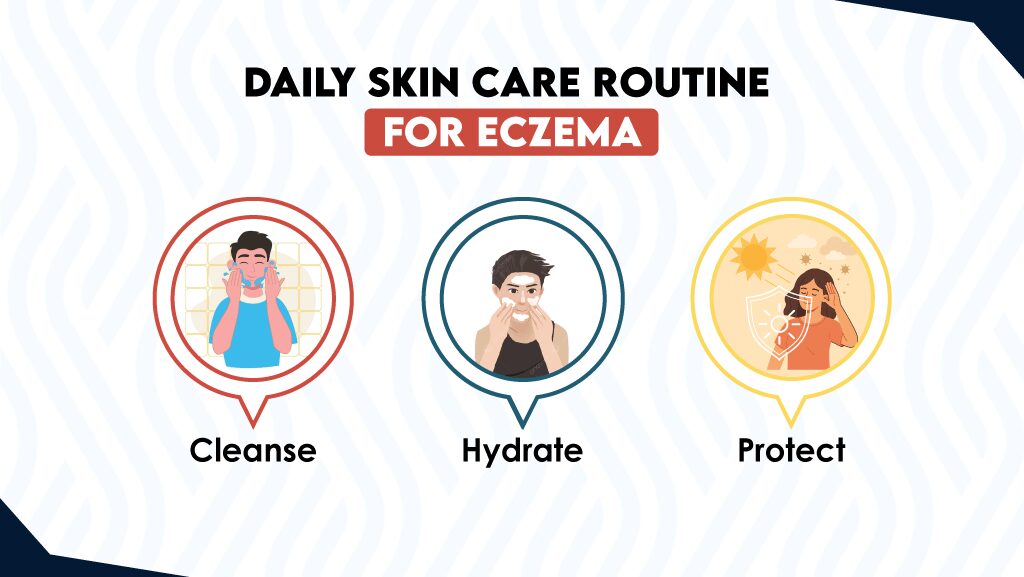
Creating a simple routine can make a big difference.
Morning Routine:
- Wash with a gentle cleanser
- Pat dry (don’t rub)
- Apply moisturizer
- Use sunscreen suitable for sensitive skin
Night Routine:
- Cleanse gently
- Apply natural soothing remedy (optional)
- Moisturize generously
Foods That May Help Improve Eczema.
Your diet can impact your skin health.
Beneficial Foods:
- Omega-3 rich foods (fish, walnuts)
- Fruits and vegetables
- Probiotic foods (yogurt, kefir)
Foods to Watch:
- Dairy
- Processed foods
- Sugary snacks
If you suspect food triggers, consider keeping a food diary.
When to Avoid Home Treatment
Home remedies are effective for mild to moderate eczema, but sometimes medical help is necessary.
Seek professional care if:
- Symptoms are severe or worsening
- Skin becomes infected (pus, swelling, pain)
- No improvement after consistent home care
Common Mistakes to Avoid
Over-washing Your Face
Washing too often strips natural oils and worsens dryness.
Using Too Many Products
Keep your routine simple. Too many products can irritate the skin.
Scratching the Skin
Scratching can cause infections and worsen inflammation.
Long-Term Tips for Managing Face Eczema
- Stick to a consistent skincare routine
- Always patch-test new products
- Keep your nails short to avoid damage from scratching
- Wear soft, breathable fabrics
- Protect your face from extreme weather
Conclusion
Face eczema can be challenging, but with the right home treatments and daily habits, it is manageable. The key is consistency—gentle skincare, proper hydration, and avoiding triggers can significantly reduce flare-ups.
Natural remedies like aloe vera, oatmeal, and coconut oil can soothe irritation, while lifestyle changes such as stress management and proper diet support long-term skin health.
If your symptoms persist or worsen, don’t hesitate to seek medical advice. With patience and the right approach, you can regain control over your skin and feel confident again.
Keywords: face eczema treatment at home, natural remedies for eczema on face, how to treat eczema naturally, eczema skincare routine, eczema relief tips