
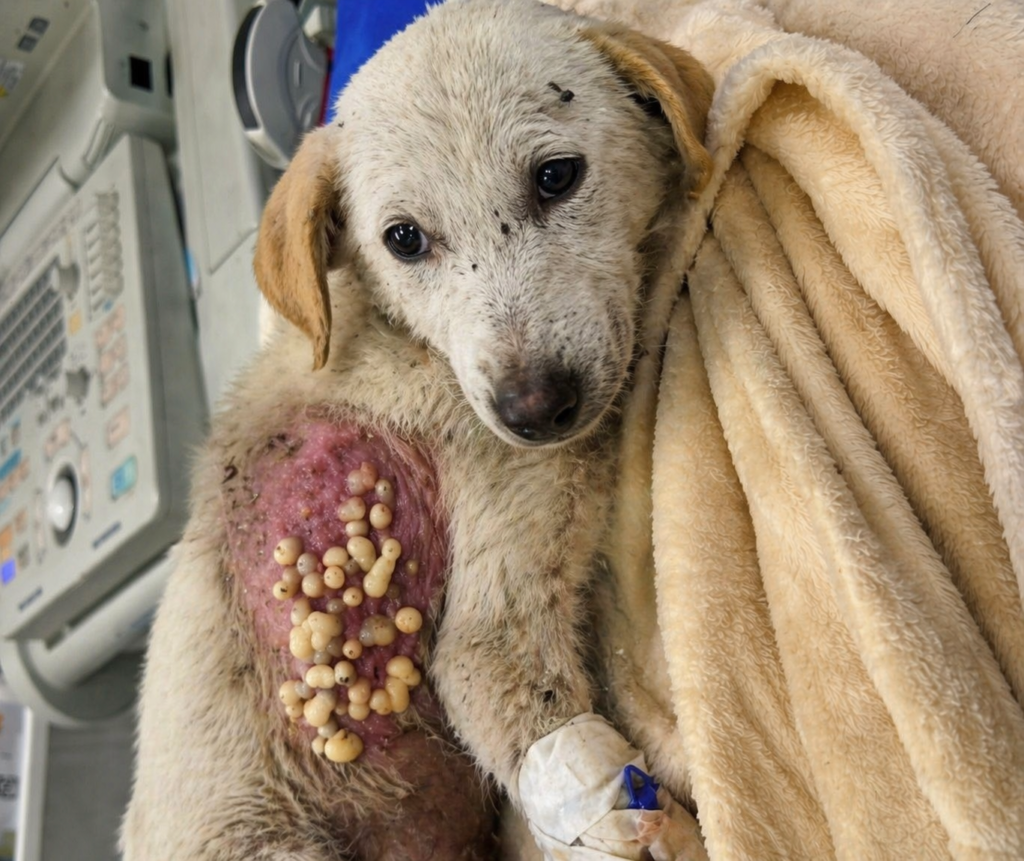
When a dog becomes sick, it needs more than just medicine—it needs care, patience, and a well-planned daily routine to help it recover. A sick dog often feels weak, uncomfortable, and sometimes scared, so creating a calm and supportive environment is very important. A proper daily routine not only improves the dog’s physical health but also helps reduce stress and anxiety. Understanding your dog’s needs and adjusting its lifestyle during illness can make a big difference in how quickly and safely it recovers.
The day should begin gently, without sudden noise or disturbance. In the morning, check your dog’s condition carefully. Observe its breathing, energy level, and appetite. If your dog is too weak to stand, help it slowly and make sure it is comfortable. Clean its resting area and ensure it is dry, soft, and warm. A sick dog needs a clean environment to prevent infections and to feel relaxed. Fresh water should always be available, and it is important to encourage your dog to drink, as hydration plays a key role in recovery.
Feeding is one of the most important parts of a sick dog’s daily routine. Depending on the illness, your dog may not feel like eating much. Offer small portions of soft, easy-to-digest food such as boiled chicken, rice, or vet-recommended meals. Do not force feed, but gently encourage eating by offering food several times a day in small amounts. If your dog refuses food completely, it is important to consult a veterinarian. Proper nutrition gives the body strength to fight illness and heal faster.
Medication, if prescribed by a veterinarian, should be given on time and exactly as directed. This is a critical part of the routine. Whether it’s tablets, syrups, or injections, consistency is key. Missing doses or giving incorrect amounts can slow down recovery or even worsen the condition. Always keep a schedule so you don’t forget any medication timings. If your dog resists taking medicine, try mixing it with food or use gentle techniques to ensure it swallows safely.
Rest is another essential part of the daily routine. A sick dog needs more sleep than usual. Avoid unnecessary movement or playtime, especially if the dog is weak or injured. Let your dog rest in a quiet place away from noise, children, or other pets. However, complete isolation is not always good—your presence can comfort your dog. Sit near it, talk softly, and gently pet it if it feels comfortable. Emotional support helps your dog feel safe and cared for.
Hygiene and cleanliness should not be ignored. If your dog is unable to move much, you may need to help with cleaning its body. Wipe its fur with a warm, damp cloth to keep it fresh and prevent skin issues. Check for any wounds, swelling, or unusual signs. If your dog has diarrhea, vomiting, or discharge, clean the area immediately to avoid infections. Keeping your dog clean also helps you monitor any changes in its condition more clearly.
Light movement can be included in the routine if the dog is able. Short and gentle walks, even for a few minutes, can help improve blood circulation and mood. However, do not force activity if your dog is too weak. Always follow the advice of a veterinarian regarding physical activity. Some illnesses require complete rest, while others may benefit from slight movement.
Throughout the day, keep observing your dog. Small changes in behavior can tell you a lot about its health. If your dog becomes more active, starts eating better, or shows interest in surroundings, it is a positive sign. On the other hand, if symptoms worsen—such as increased weakness, continuous vomiting, or difficulty breathing—immediate medical attention is necessary. Keeping a simple record of daily changes can help you and your vet understand the progress.
In the evening, repeat the feeding and medication routine as required. Make sure your dog is comfortable before bedtime. Adjust its bedding, ensure it has water nearby, and create a peaceful sleeping environment. Some dogs may feel more anxious at night, so staying close for some time can help them feel secure.
Caring for a sick dog is not easy, but it is a responsibility that comes with love. Your patience, attention, and dedication play a major role in your dog’s recovery. Every small effort—whether it’s feeding, cleaning, or simply sitting beside your dog—matters a lot. A well-managed daily routine provides structure, comfort, and healing support.
In the end, remember that every dog is different, and its routine should be adjusted according to its illness and needs. Always stay in touch with a veterinarian and follow professional advice. With proper care, love, and a consistent routine, your dog has a much better chance of recovering and returning to a happy, healthy life.