
Stress affects both the body and the mind, but many people also notice changes in their skin during stressful times. One of the most common skin concerns linked to stress is acne. From sudden pimples before exams to painful breakouts during busy work schedules, stress-related acne is a real issue for many people.
But does stress actually cause acne, or does it only make existing acne worse?
The answer is more complex than a simple yes or no. Stress may not directly create acne on its own, but it can trigger hormonal changes and unhealthy habits that lead to breakouts. In this article, you will learn how stress affects the skin, why acne worsens during stressful periods, and the best ways to prevent and treat stress acne naturally.
What Is Stress Acne?
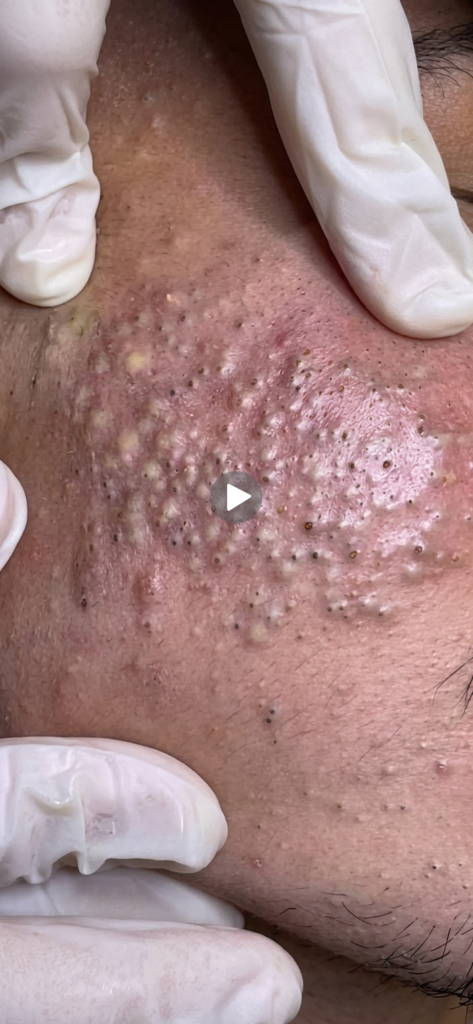
Stress acne refers to acne breakouts that appear or worsen during periods of emotional, physical, or mental stress. These breakouts often develop when stress hormones increase oil production and inflammation in the body.
Stress acne may appear as:
- Red pimples
- Whiteheads
- Blackheads
- Painful cysts
- Small bumps on the forehead or chin
These breakouts commonly occur on:
- Face
- Forehead
- Chin
- Jawline
- Chest
- Back
Does Stress Really Cause Acne?
Stress itself may not directly create acne in people who never experience breakouts. However, stress can strongly contribute to acne by affecting hormone levels, skin oil production, inflammation, and daily habits.
Studies suggest that people often experience worse acne during:
- Exams
- Work pressure
- Emotional stress
- Lack of sleep
- Anxiety
- Major life changes
Stress can make existing acne more severe and harder to heal.
How Stress Affects the Skin
When the body experiences stress, it releases hormones such as cortisol and adrenaline. These hormones activate the body’s “fight or flight” response.
Higher cortisol levels can:
- Increase oil production
- Trigger inflammation
- Slow skin healing
- Disrupt hormone balance
Extra oil and inflammation can clog pores and create the perfect environment for acne breakouts.
The Connection Between Cortisol and Acne
Cortisol is commonly called the stress hormone.
During stressful situations:
- Cortisol levels rise
- Oil glands become more active
- Sebum production increases
Too much sebum mixes with dead skin cells and bacteria inside pores, leading to pimples and clogged pores.
This is why many people notice sudden breakouts during stressful periods.
Stress Can Increase Inflammation
Stress also increases inflammation throughout the body. Inflammatory acne becomes:
- Redder
- More swollen
- More painful
- Slower to heal
Inflammation may worsen:
- Cystic acne
- Hormonal acne
- Acne scars
People with sensitive skin often experience stronger reactions to stress.
Poor Sleep and Acne
Stress frequently affects sleep quality. Lack of sleep can negatively impact the skin in several ways.
Poor sleep may:
- Increase cortisol levels
- Slow skin repair
- Weaken the immune system
- Increase inflammation
The body repairs itself during sleep, including the skin. Without enough rest, acne may become more noticeable.
Stress-Related Habits That Trigger Acne
Stress often changes daily habits, and some of these habits can contribute to breakouts.
1. Touching the Face Frequently
Anxiety and stress may cause people to:
- Touch their face more often
- Pick pimples
- Rub the skin
This spreads bacteria and irritates acne.
2. Unhealthy Eating Habits
During stress, many people consume:
- Sugary snacks
- Fast food
- Processed foods
Some studies suggest that high-sugar diets may worsen acne in certain individuals.
3. Skipping Skincare Routine
Stress can make people ignore healthy habits like:
- Washing the face
- Moisturizing
- Wearing sunscreen
Poor skincare may allow oil and dirt to build up on the skin.
4. Increased Sweating
Stress can increase sweating, especially during anxiety or physical tension.
Sweat mixed with oil and bacteria may clog pores and trigger breakouts.
Signs Your Acne May Be Stress-Related
You may have stress acne if:
- Breakouts appear during stressful situations
- Acne worsens before exams or deadlines
- Pimples increase during emotional stress
- Your skin improves during vacations or relaxation
- Acne appears with poor sleep and anxiety
Stress acne often develops suddenly and may feel more inflamed than regular acne.
Where Does Stress Acne Usually Appear?
Stress acne commonly appears in areas with high oil production.
Common areas include:
- Forehead
- Chin
- Jawline
- Nose
- Cheeks
Hormonal and stress-related acne frequently affects the lower face.
How to Treat Stress Acne Naturally
Managing stress acne requires both skincare and stress management.
1. Follow a Gentle Skincare Routine
A consistent skincare routine helps keep pores clean and reduce inflammation.
Morning Routine
- Gentle cleanser
- Lightweight moisturizer
- Sunscreen SPF 30+
Night Routine
- Cleanser
- Acne treatment
- Moisturizer
Avoid harsh scrubbing because it can worsen irritation.
2. Use Acne-Fighting Ingredients
Some ingredients work especially well for stress acne.
Salicylic Acid
Helps unclog pores and reduce oil.
Benefits:
- Clears blackheads
- Prevents pimples
- Removes excess sebum
Niacinamide
A calming ingredient that helps reduce redness and oil production.
Benefits:
- Soothes inflammation
- Strengthens skin barrier
- Improves skin texture
Benzoyl Peroxide
Kills acne-causing bacteria and helps reduce inflamed pimples.
Use carefully because overuse may dry the skin.
3. Get Better Sleep
Good sleep supports healthy hormones and skin repair.
Tips for better sleep:
- Sleep 7–9 hours
- Avoid screens before bed
- Keep a regular sleep schedule
- Reduce caffeine late at night
4. Manage Stress Levels
Reducing stress may improve both mental health and skin condition.
Helpful stress-management activities include:
- Meditation
- Yoga
- Deep breathing
- Exercise
- Walking outdoors
- Listening to music
Even small relaxation habits can make a difference.
5. Drink More Water
Hydrated skin functions better and heals more efficiently.
Aim for:
- 7–8 glasses of water daily
Water also helps maintain overall body health.
6. Eat Skin-Friendly Foods
Healthy foods may support clearer skin.
Best foods for acne-prone skin:
- Fruits
- Vegetables
- Fish
- Nuts
- Whole grains
Try reducing:
- Excess sugar
- Greasy foods
- Highly processed snacks
7. Avoid Picking Pimples
Popping pimples can:
- Spread bacteria
- Increase inflammation
- Cause acne scars
Allow acne to heal naturally whenever possible.
Can Stress Acne Be Prevented?
Stress cannot always be avoided, but healthy habits can reduce its effect on the skin.
Prevention tips:
- Maintain a regular skincare routine
- Sleep properly
- Stay hydrated
- Exercise regularly
- Practice stress management
- Eat balanced meals
Consistency is important for long-term skin health.
When to See a Dermatologist
Consult a dermatologist if:
- Acne becomes severe
- Painful cysts develop
- Over-the-counter treatments fail
- Acne leaves scars
- Stress severely affects daily life
Professional treatment may include prescription creams, therapies, or personalized skincare plans.
Myths About Stress and Acne
Myth 1: Stress Is the Only Cause of Acne
Acne has many causes including:
- Hormones
- Genetics
- Oil production
- Bacteria
- Diet
- Skincare habits
Stress is only one contributing factor.
Myth 2: Stress Acne Disappears Overnight
Stress acne usually takes time to heal. Consistent skincare and stress management are necessary.
Myth 3: Washing the Face More Helps
Overwashing can irritate the skin and worsen acne.
Twice daily cleansing is usually enough.
Final Thoughts
So, does stress cause acne? While stress may not directly create acne on its own, it can significantly worsen breakouts by increasing oil production, inflammation, and unhealthy habits. High stress levels can make acne more severe, more painful, and slower to heal.
The best way to manage stress acne is through a combination of gentle skincare, healthy lifestyle habits, proper sleep, and stress reduction techniques. Taking care of both your mental health and your skin can help reduce breakouts and improve overall skin health.
With patience and consistency, it is possible to control stress-related acne and maintain clearer, healthier skin naturally.