
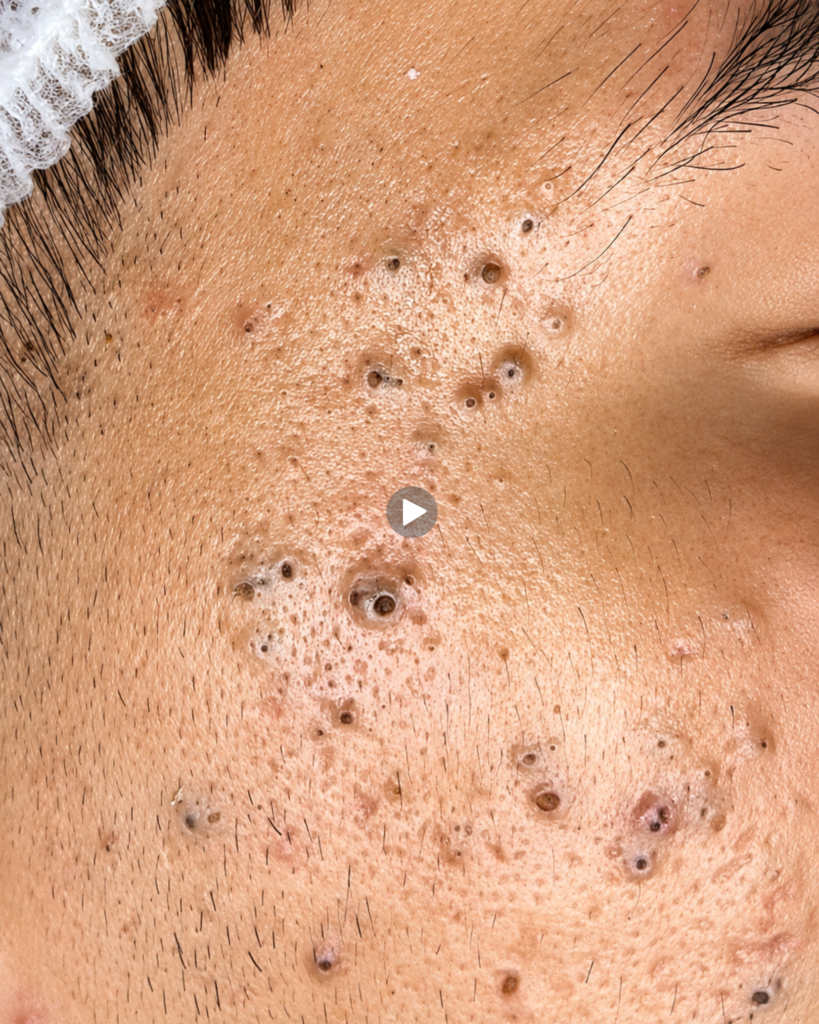
Healthy skin is something everyone desires. Clear skin not only improves appearance but also boosts confidence and self-esteem. However, many people struggle with acne, enlarged pores, blackheads, and oily skin. These common skin concerns can make a person feel uncomfortable and frustrated, especially when they do not know the right treatment.
Skin acne pore treatment has become one of the most searched skincare topics because millions of people around the world are looking for effective ways to achieve smoother, clearer skin. The good news is that acne and enlarged pores can be treated with the right skincare routine, proper products, and healthy habits.
This complete guide explains everything you need to know about skin acne pore treatment and how to get healthier skin naturally.
What Causes Acne and Enlarged Pores?
Before starting treatment, it is important to understand what causes acne and enlarged pores.
Acne happens when hair follicles become blocked with oil, dead skin cells, and bacteria. When pores get clogged, they create blackheads, whiteheads, pimples, and inflamed breakouts.
Enlarged pores usually appear when excess oil stretches the skin’s openings. Several factors contribute to this condition, including:
Excess Oil Production
Oily skin produces too much sebum, which clogs pores and causes acne.
Dead Skin Cell Buildup
When dead skin cells are not removed properly, they block pores.
Hormonal Changes
Hormones can increase oil production, especially during puberty, stress, or hormonal imbalance.
Poor Skincare Routine
Using harsh products or not cleansing properly can worsen acne.
Genetics
Some people naturally have larger pores due to inherited skin traits.
Diet and Lifestyle
Unhealthy food, lack of sleep, dehydration, and stress can trigger breakouts.
Understanding these causes helps create an effective acne pore treatment plan.
Why Proper Skin Acne Pore Treatment Matters
Ignoring acne and clogged pores can lead to more serious skin problems.
Without treatment, acne may cause:
- Permanent acne scars
- Dark spots
- Skin irritation
- Increased inflammation
- Lower self-confidence
Proper treatment improves skin texture and prevents future breakouts.
Healthy skin requires patience and consistency.
Step 1: Cleanse Your Skin Properly
Cleansing is the foundation of every skincare routine.
A gentle facial cleanser removes dirt, oil, sweat, and bacteria that build up throughout the day.
Choose a cleanser designed for acne-prone skin.
Look for ingredients like:
- Salicylic acid
- Tea tree oil
- Niacinamide
- Benzoyl peroxide
Wash your face twice daily:
Morning: Removes overnight oil buildup
Night: Removes dirt and pollution
Avoid over-washing because it can strip natural oils and cause the skin to produce even more oil.
Step 2: Exfoliate to Unclog Pores
Exfoliation removes dead skin cells that block pores.
This step is essential for effective skin acne pore treatment.
Chemical exfoliants work better than harsh scrubs.
Best options include:
Salicylic Acid
Penetrates deep into pores and dissolves oil buildup.
Glycolic Acid
Removes dead skin cells from the surface.
Lactic Acid
Provides gentle exfoliation for sensitive skin.
Exfoliate two to three times per week.
Too much exfoliation can damage the skin barrier.
Step 3: Use Acne Treatment Products
Targeted treatment products fight acne directly.
Some of the most effective ingredients include:
Benzoyl Peroxide
Kills acne-causing bacteria.
Retinoids
Speed up skin cell turnover and prevent clogged pores.
Niacinamide
Reduces redness, oil production, and inflammation.
Sulfur
Absorbs excess oil and helps clear pimples.
Apply treatment products only as directed.
Using too many active ingredients at once can irritate the skin.
Step 4: Moisturize Every Day
Many people with acne skip moisturizer because they think it makes skin oily.
This is a mistake.
When skin becomes dry, it produces more oil to compensate.
Choose an oil-free, non-comedogenic moisturizer.
A good moisturizer:
- Hydrates skin
- Balances oil production
- Protects the skin barrier
- Reduces irritation from acne treatments
Hydrated skin heals faster.
Step 5: Protect Skin with Sunscreen
Sun exposure can worsen acne marks and enlarge pores.
Daily sunscreen is essential for skin acne pore treatment.
Choose a lightweight sunscreen with:
- SPF 30 or higher
- Oil-free formula
- Non-comedogenic ingredients
Sunscreen prevents dark spots and protects healing skin.
Natural Remedies for Acne and Pore Treatment
Some natural treatments may help support healthy skin.
Aloe Vera
Calms redness and irritation.
Green Tea
Contains antioxidants that reduce inflammation.
Honey
Has antibacterial properties.
Ice Therapy
Reduces swelling and temporarily tightens pores.
Natural remedies can support treatment but should not replace proven skincare products.
Foods That Help Clear Acne
What you eat affects your skin.
Healthy foods improve skin condition.
Best foods for acne-prone skin:
- Fresh fruits
- Leafy vegetables
- Nuts and seeds
- Fish rich in omega-3
- Plenty of water
Avoid:
- Sugary snacks
- Fried foods
- Excess dairy
- Processed junk food
A healthy diet supports clearer skin from within.
Lifestyle Tips for Better Skin
Good habits improve treatment results.
Get Enough Sleep
Your skin repairs itself during sleep.
Manage Stress
Stress increases hormones that trigger acne.
Avoid Touching Your Face
Hands transfer bacteria to the skin.
Change Pillowcases Regularly
Dirty pillowcases collect oil and bacteria.
Stay Hydrated
Water keeps skin balanced and healthy.
Simple habits make a big difference.
Professional Acne Pore Treatments
If home care does not work, professional treatments can help.
Popular options include:
Chemical Peels
Remove damaged outer skin layers.
Laser Therapy
Improves acne scars and reduces pore size.
Microneedling
Stimulates collagen production.
Professional Extraction
Safely removes clogged pores.
A dermatologist can recommend the best treatment.
How Long Does Acne Treatment Take?
Skin improvement takes time.
Most treatments need 4 to 12 weeks for visible results.
Consistency is key.
Do not switch products too quickly.
Stick to a routine and allow your skin time to heal.
Common Mistakes to Avoid
Many people unknowingly worsen acne.
Avoid these mistakes:
- Over-washing
- Picking pimples
- Using harsh scrubs
- Skipping moisturizer
- Sleeping with makeup
- Trying too many products at once
Gentle, consistent care works best.
Final Thoughts
Skin acne pore treatment is not about finding one miracle product.
It requires the right combination of cleansing, treatment, hydration, sun protection, and healthy habits.
Clear skin is possible with patience and proper care.
Remember that every skin type is different. What works for one person may not work for another.
The journey to healthier skin takes time, but with consistency, dedication, and the right skincare routine, smoother, clearer, and glowing skin can become a reality.
Start caring for your skin today, and your future self will thank you for it.