
Skin Acne Clean at Home: 10 Effective Techniques for Clearer Skin
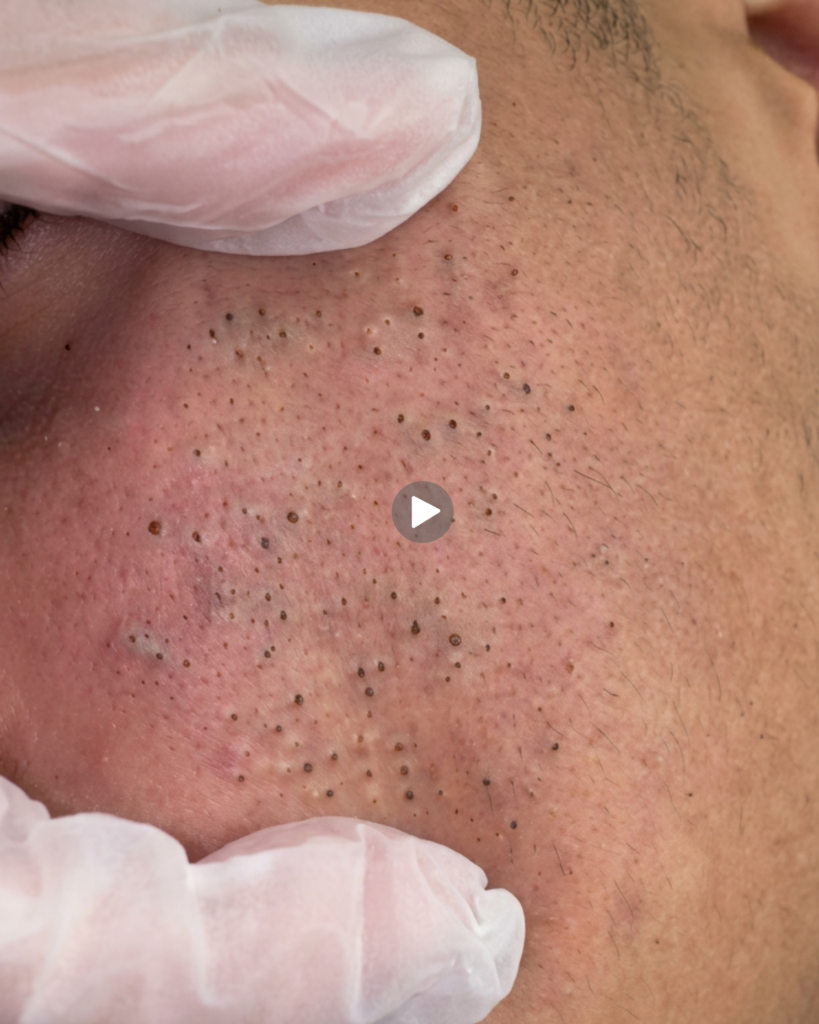
Acne is one of the most common skin problems affecting teenagers and adults around the world. Pimples, blackheads, whiteheads, and painful breakouts can reduce confidence and make skin feel unhealthy. The good news is that many people can improve mild acne naturally at home with the right skincare habits and remedies.
Home treatments do not always work overnight, but consistent care can help reduce oil, bacteria, and inflammation. In this article, you will learn 10 effective techniques to clean acne-prone skin at home safely and naturally.
What Causes Acne?
Before treating acne, it is important to understand why it happens. Acne usually develops when:
- Skin produces too much oil
- Dead skin cells clog pores
- Bacteria grow inside pores
- Hormonal changes increase oil production
- Stress and unhealthy habits trigger inflammation
Acne may appear on the face, forehead, nose, chin, chest, shoulders, and back.
1. Wash Your Face Twice Daily
Keeping your face clean is the first step toward controlling acne. Dirt, sweat, oil, and pollution can clog pores and lead to breakouts.
How to Wash Properly
- Use lukewarm water
- Choose a gentle face cleanser
- Wash your face morning and night
- Pat skin dry with a clean towel
- Avoid harsh scrubbing
Overwashing can irritate the skin and make acne worse. Gentle cleansing helps maintain the skin’s natural balance.
2. Use Honey as a Natural Acne Treatment
Honey has antibacterial and anti-inflammatory properties that may help calm acne-prone skin.
How to Use Honey
- Wash your face
- Apply raw honey to acne areas
- Leave it for 15–20 minutes
- Rinse with warm water
Honey may help reduce redness and keep the skin moisturized without clogging pores.
Benefits of Honey for Acne
- Fights bacteria
- Reduces irritation
- Helps heal acne marks
- Keeps skin soft
3. Apply Aloe Vera Gel
Aloe vera is a popular natural remedy for irritated skin and acne.


How to Use Aloe Vera
- Extract fresh aloe vera gel from the plant
- Apply a thin layer to clean skin
- Leave overnight or rinse after 20 minutes
Aloe vera contains soothing compounds that may reduce redness and swelling caused by pimples.
4. Try Ice Therapy for Swollen Pimples
Ice can temporarily reduce inflammation and swelling in acne spots.
Steps for Ice Treatment
- Wrap ice cubes in a clean cloth
- Hold gently on pimples for 10–15 seconds
- Repeat several times daily
Benefits
- Reduces redness
- Soothes pain
- Helps decrease swelling
Never place ice directly on the skin because it may cause irritation.
5. Use Tea Tree Oil Carefully
Tea tree oil is known for its antibacterial properties and is commonly used in natural skincare.
How to Apply
- Mix 1–2 drops of tea tree oil with a carrier oil or water
- Apply carefully using a cotton swab
- Use once daily
Important Tip
Tea tree oil is strong. Always dilute it before applying to the skin to avoid irritation.
6. Keep Your Pillowcases and Towels Clean
Dirty fabrics collect oil, sweat, bacteria, and dead skin cells. These can transfer back onto your face and worsen acne.


Hygiene Tips
- Change pillowcases every 2–3 days
- Use clean face towels
- Avoid sharing towels
- Wash makeup brushes regularly
Simple hygiene habits can make a noticeable difference for acne-prone skin.
7. Avoid Touching or Popping Pimples
Many people squeeze pimples hoping they disappear faster. Unfortunately, this often makes acne worse.
Why Popping Pimples Is Harmful
- Spreads bacteria
- Causes inflammation
- Increases risk of scars
- Delays healing
Instead of touching your face frequently, keep your hands clean and allow pimples to heal naturally.
8. Eat Skin-Friendly Foods
Your diet may affect your skin health. While food is not the only cause of acne, healthy eating supports clearer skin.
Best Foods for Acne-Prone Skin
- Fresh fruits
- Green vegetables
- Nuts and seeds
- Fish rich in omega-3
- Whole grains
Foods to Limit
- Sugary drinks
- Fast food
- Excess dairy
- Oily processed snacks
Drinking enough water daily also helps keep skin hydrated and healthy.
9. Steam Your Face Weekly
Facial steaming may help open pores and loosen dirt trapped inside the skin.


How to Steam Safely
- Boil water and pour into a bowl
- Keep your face at a safe distance
- Cover your head with a towel
- Steam for 5–10 minutes
- Wash your face gently afterward
Do not overdo steaming because too much heat may irritate sensitive skin.
10. Follow a Consistent Skincare Routine
Consistency is one of the most important parts of acne care. Many people try different products every few days and damage their skin barrier.
Simple Daily Routine
Morning
- Gentle cleanser
- Light moisturizer
- Sunscreen
Night
- Cleanser
- Acne treatment or aloe vera
- Moisturizer
Choose products labeled “non-comedogenic,” meaning they are less likely to clog pores.
Additional Tips for Clear Skin
Here are a few extra habits that can help improve acne naturally:
- Sleep at least 7–8 hours daily
- Reduce stress through exercise or relaxation
- Remove makeup before sleeping
- Avoid harsh chemical products
- Protect skin from excessive sun exposure
Healthy lifestyle habits often improve skin over time.
When to See a Doctor
Home remedies can help mild acne, but severe acne may require professional treatment. Consult a dermatologist if you experience:
- Painful cystic acne
- Deep acne scars
- Acne that does not improve
- Severe redness or infection
A skin specialist can recommend treatments suited to your skin type.
Final Thoughts
Acne can be frustrating, but proper home care may help keep your skin cleaner and healthier. Natural remedies like honey, aloe vera, tea tree oil, and ice therapy may reduce mild breakouts when combined with good hygiene and a healthy routine.
Remember that clear skin takes time. Avoid harsh treatments and focus on consistency. With patience and healthy habits, many people notice smoother and calmer skin naturally.
By following these 10 effective home techniques, you can take better care of acne-prone skin and improve your overall skin health.