
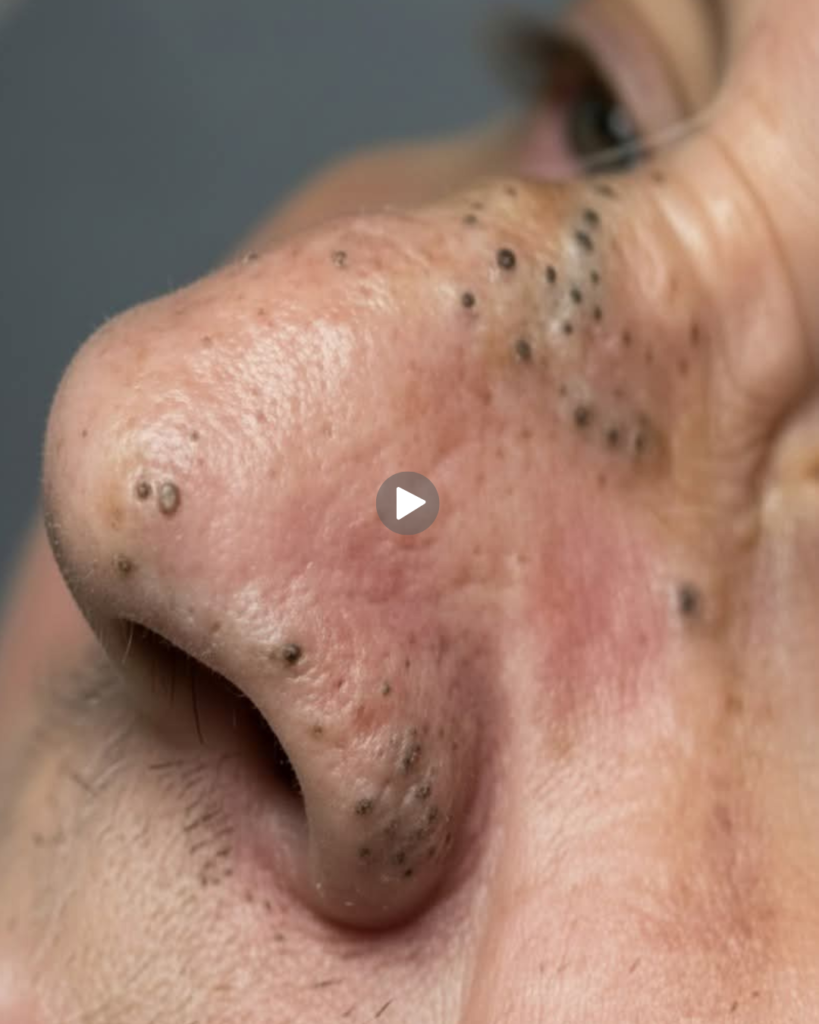
Excess oil on the nose is one of the most common skincare concerns. The nose is part of the “T-zone,” an area of the face that tends to produce more sebum (natural oil) than other parts. While some oil is essential for keeping skin healthy, too much can lead to clogged pores, blackheads, acne, and an overall greasy appearance.
The good news is that you don’t need expensive treatments or salon visits to manage nose oil effectively. With the right techniques and consistency, you can control excess oil and maintain clean, fresh skin at home. This guide covers everything you need to know about nose oil cleaning, from causes to step-by-step home remedies.
Understanding Why the Nose Gets Oily
Before diving into solutions, it’s important to understand why your nose becomes oily in the first place.
The skin naturally produces sebum through sebaceous glands. These glands are more active in the T-zone, especially the nose. Several factors can increase oil production:
- Hormonal changes (especially during puberty or stress)
- Hot and humid weather
- Genetics
- Over-washing or harsh products
- Poor diet
- Using the wrong skincare products
Ironically, stripping your skin of oil too aggressively can make things worse. When the skin becomes too dry, it compensates by producing even more oil.
Daily Routine for Nose Oil Cleaning
A consistent daily routine is the foundation of oil control. Here’s a simple but effective routine you can follow at home.
1. Gentle Cleansing (Twice Daily)
Wash your face with a mild, oil-control cleanser in the morning and evening. Look for ingredients like:
- Salicylic acid
- Tea tree oil
- Neem or charcoal
Avoid harsh soaps that leave your skin feeling tight, as they can trigger more oil production.
2. Use Lukewarm Water
Hot water can strip natural oils, while cold water may not clean deeply. Lukewarm water is ideal for removing dirt and oil without irritating your skin.
3. Pat Dry, Don’t Rub
After washing, gently pat your face dry with a clean towel. Rubbing can irritate the skin and stimulate oil glands.
4. Apply a Lightweight Moisturizer
Many people skip moisturizer thinking it will increase oiliness—but this is a mistake. Use a light, oil-free moisturizer to keep your skin balanced.
5. Use Blotting Paper
Throughout the day, blotting papers can help absorb excess oil without disturbing your skin or makeup.
Weekly Deep Cleaning Methods
In addition to your daily routine, deep cleaning your nose once or twice a week can significantly reduce oil buildup.
1. Steam Treatment
Steam helps open pores and loosen dirt and oil.
How to do it:
- Boil water and pour it into a bowl.
- Lean over the bowl and cover your head with a towel.
- Steam your face for 5–10 minutes.
- Pat your face dry afterward.
This prepares your skin for further cleaning like masks or exfoliation.
2. Exfoliation
Exfoliating removes dead skin cells that clog pores.
Natural exfoliators you can try:
- Sugar + honey scrub
- Coffee grounds + yogurt
- Oatmeal + milk
Use gentle circular motions and focus on the nose area. Do this 1–2 times per week only—over-exfoliating can irritate your skin.
3. Clay Masks
Clay masks are excellent for absorbing oil and tightening pores.
Best options:
- Multani mitti (Fuller’s earth)
- Bentonite clay
How to use:
- Mix clay with rose water or plain water.
- Apply to your nose or entire face.
- Leave it on for 10–15 minutes.
- Rinse with lukewarm water.
Effective Home Remedies for Nose Oil
If you prefer natural solutions, several household ingredients can help control oil effectively.
1. Lemon and Honey
Lemon has astringent properties, while honey is antibacterial.
Method:
- Mix 1 teaspoon lemon juice with 1 teaspoon honey.
- Apply to the nose.
- Leave for 10 minutes and rinse.
Use this 2–3 times a week.
2. Aloe Vera Gel
Aloe vera soothes skin and controls oil production.
Method:
- Apply fresh aloe vera gel to your nose before bed.
- Leave overnight and wash in the morning.
3. Egg White Mask
Egg whites help tighten pores and reduce oil.
Method:
- Apply egg white to your nose.
- Let it dry completely.
- Wash off with lukewarm water.
4. Tomato Rub
Tomatoes contain natural acids that reduce oil.
Method:
- Rub a slice of tomato on your nose.
- Leave for 10 minutes before rinsing.
5. Cucumber Juice
Cucumber cools the skin and controls oil.
Method:
- Apply fresh cucumber juice with a cotton pad.
- Leave it on for 15 minutes.
Blackhead Removal Tips
Oily noses are prone to blackheads. Here’s how to deal with them safely at home.
Avoid Squeezing
Manually squeezing blackheads can damage your skin and lead to infections.
Use Natural Strips
You can make a DIY pore strip:
- Mix gelatin with milk
- Heat slightly and apply to the nose
- Let it dry and peel off gently
Charcoal Masks
Activated charcoal masks help pull out impurities from pores.
Lifestyle Tips for Oil Control
Skincare alone isn’t enough—your lifestyle plays a big role.
Stay Hydrated
Drinking enough water helps regulate oil production.
Eat a Balanced Diet
Avoid excessive fried and sugary foods. Include:
- Fruits and vegetables
- Omega-3 rich foods (like fish, walnuts)
Manage Stress
Stress increases hormone levels that trigger oil production. Try relaxation techniques like walking, meditation, or deep breathing.
Avoid Touching Your Face
Touching your nose frequently transfers dirt and bacteria, worsening oiliness and breakouts.
Common Mistakes to Avoid
Many people unknowingly worsen their oily skin by making these mistakes:
- Over-washing the face
- Skipping moisturizer
- Using alcohol-based products
- Exfoliating too frequently
- Not removing makeup before bed
Avoiding these habits can significantly improve your skin condition.
When to See a Dermatologist
Home remedies work well for mild to moderate oiliness. However, if you experience:
- Severe acne
- Persistent blackheads
- Skin irritation or redness
It’s best to consult a dermatologist for professional treatment.
Final Thoughts
Managing nose oil at home is completely achievable with the right approach. The key is consistency, gentle care, and understanding your skin’s needs. Instead of trying to eliminate oil entirely, focus on maintaining a healthy balance.
A simple routine—cleaning, moisturizing, exfoliating, and using natural remedies—can make a noticeable difference over time. Combine this with a healthy lifestyle, and you’ll not only reduce oil but also improve your overall skin health.
Clear, fresh skin doesn’t happen overnight, but with patience and proper care, your nose can stay clean, smooth, and shine-free.