
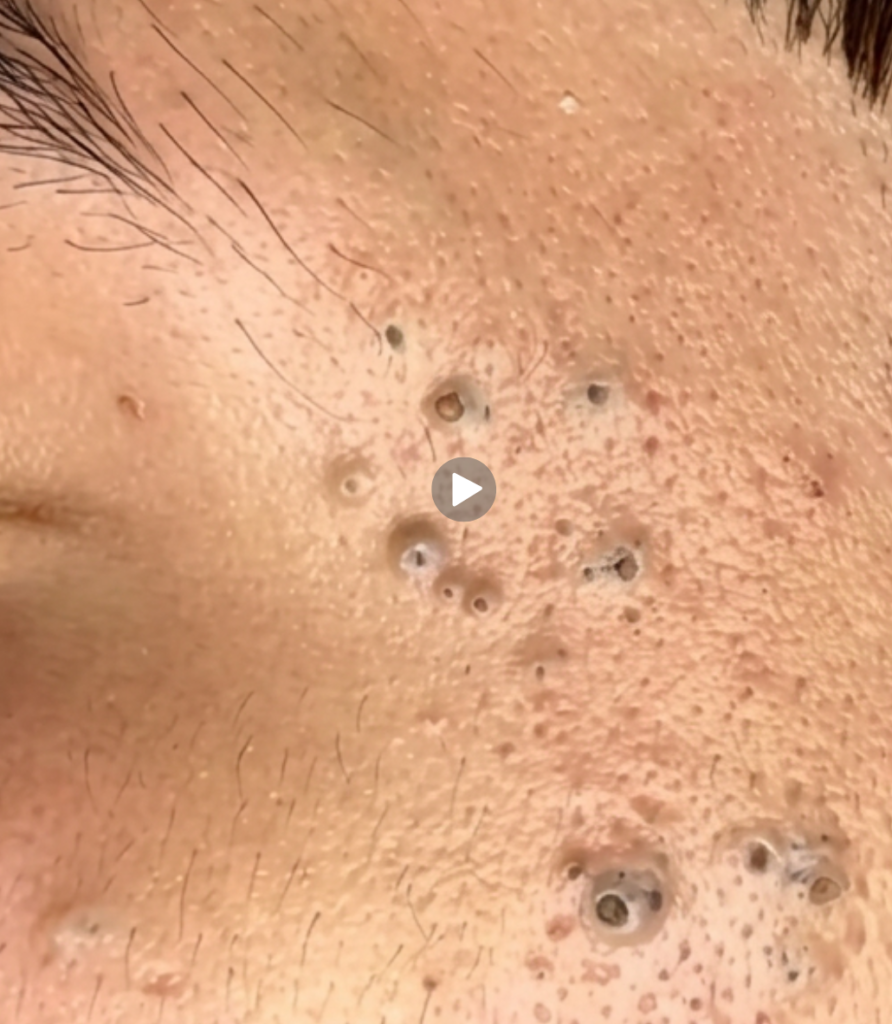
Acne can disappear over time, but the marks it leaves behind often stay much longer. These dark spots, uneven patches, and textured areas can affect confidence and make skin look tired or unhealthy. Many people spend money on expensive treatments and beauty products, yet there are simple home remedies that may help improve the appearance of acne marks naturally. With patience, consistency, and proper skincare habits, it is possible to support healthier and smoother-looking skin from home.
Acne marks usually appear after pimples heal. When the skin becomes inflamed, it may produce too much melanin, which leaves behind dark spots. In some cases, damaged skin tissue can create uneven texture. Although these marks fade slowly on their own, natural remedies and healthy habits can speed up the process and improve overall skin condition.
One of the most effective home remedies for acne marks is aloe vera. Aloe vera contains vitamins, antioxidants, and soothing compounds that help repair damaged skin. Fresh aloe vera gel can be applied directly to the affected areas before bedtime. Leave it overnight and wash it off in the morning with lukewarm water. Regular use may help brighten the skin and reduce discoloration naturally.
Honey is another powerful ingredient commonly used in homemade skincare treatments. It has antibacterial and moisturizing properties that help support skin healing. Applying raw honey to acne marks for fifteen to twenty minutes several times a week may improve skin softness and reduce visible spots over time. Mixing honey with a small amount of cinnamon can create a natural face mask that refreshes dull skin and supports a healthy glow.
Lemon juice is often mentioned as a natural skin-brightening remedy because it contains vitamin C. However, it should be used carefully because it can irritate sensitive skin. Diluting lemon juice with water before applying it to the skin is important. Leave it on for only a few minutes and rinse thoroughly. Always apply sunscreen afterward because lemon juice may increase sensitivity to sunlight.
Coconut oil is also popular for improving dry or damaged skin. It contains fatty acids and antioxidants that help nourish the skin barrier. Gently massaging a small amount of coconut oil onto acne marks before sleeping may support skin repair and hydration. However, people with oily or acne-prone skin should test it carefully because heavy oils may clog pores in some cases.
Turmeric has been used in skincare for centuries because of its anti-inflammatory and brightening effects. A simple turmeric mask can be made by mixing turmeric powder with yogurt or honey. Apply the mixture to the face for ten to fifteen minutes before washing it off. Consistent use may help reduce uneven skin tone and make acne marks less noticeable.
Exfoliation is another important step in improving skin appearance. Dead skin cells can make marks appear darker and rougher. Gentle exfoliation helps remove old skin cells and encourages new cell growth. Homemade scrubs made from oatmeal, sugar, or coffee can be used once or twice a week. It is important not to scrub too hard because aggressive exfoliation may worsen irritation and lead to more skin problems.
Proper hydration also plays a major role in skin healing. Drinking enough water helps keep the skin healthy and supports natural repair processes. Dehydrated skin often appears dull and uneven, making acne marks more visible. Eating foods rich in vitamins A, C, and E may also improve skin health from within. Fruits, vegetables, nuts, and healthy fats provide nutrients that support collagen production and skin renewal.
Sun protection is one of the most overlooked steps in reducing acne marks. Exposure to sunlight can darken spots and slow the healing process. Applying sunscreen every day, even indoors or during cloudy weather, helps protect the skin from harmful UV rays. Wearing hats and avoiding excessive sun exposure can also help prevent marks from becoming darker.
Green tea may also help improve the appearance of acne marks because it contains antioxidants and anti-inflammatory compounds. Some people use cooled green tea bags directly on the skin, while others apply green tea toner to refresh and calm irritated areas. Over time, this may support a brighter and healthier complexion.
Potato juice is another traditional home remedy often used for skin discoloration. Potatoes contain natural enzymes and vitamins that may help lighten dark spots. Fresh potato slices or potato juice can be applied to the skin for ten to fifteen minutes before rinsing. Regular use may gradually improve uneven skin tone.
Rosehip oil has become increasingly popular for natural skincare because it contains essential fatty acids and vitamins that support skin regeneration. Applying a few drops daily may help improve skin texture and reduce the appearance of marks. Unlike heavier oils, rosehip oil is lightweight and suitable for many skin types.
Consistency is one of the most important factors when treating acne marks at home. Natural remedies usually take time before noticeable results appear. Many people expect instant improvement and stop using treatments too soon. Skin renewal is a slow process, and regular care over several weeks or months is often necessary for visible changes.
Avoiding the habit of picking or squeezing pimples is equally important. Touching acne can damage the skin further and increase the risk of long-lasting marks. Keeping hands away from the face and using gentle skincare products can help prevent additional irritation and breakouts.
A simple skincare routine can make a significant difference in overall skin appearance. Washing the face twice daily with a gentle cleanser removes dirt and excess oil without damaging the skin barrier. Using a lightweight moisturizer helps maintain hydration and keeps the skin balanced. Harsh products filled with strong chemicals may sometimes worsen irritation and delay healing.
Sleep and stress management also affect skin health. Lack of sleep and high stress levels may trigger hormonal changes that worsen acne and slow skin recovery. Getting enough rest, exercising regularly, and practicing relaxation techniques may support clearer and healthier skin naturally.
Although home remedies may help improve acne marks, severe skin texture issues sometimes require professional treatment. Dermatologists may recommend chemical peels, laser therapy, or microneedling for deeper skin concerns. However, many mild marks and discoloration problems can improve gradually with proper home care and patience.
Natural remedies work best when combined with healthy daily habits. Eating nutritious foods, staying hydrated, protecting the skin from sunlight, and following a consistent skincare routine create the foundation for healthy skin improvement. Everyone’s skin is different, so some remedies may work better than others depending on skin type and sensitivity.
Acne marks can be frustrating, but they do not have to be permanent. Gentle care, natural ingredients, and consistent habits may help restore a brighter and smoother appearance over time. Instead of focusing on quick fixes, supporting long-term skin health is often the best way to achieve natural and lasting results