
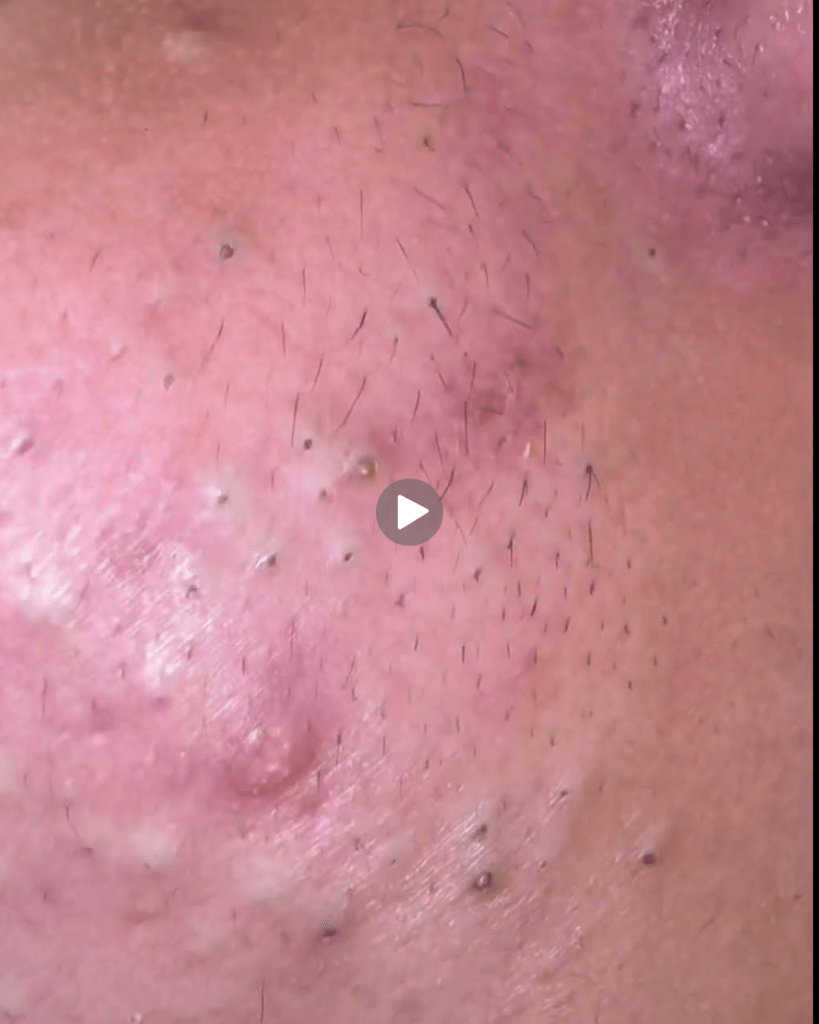
Ingrown blackheads on the face can be frustrating, painful, and difficult to remove. Unlike regular blackheads, these are trapped deeper inside the skin, making them harder to treat. If left untreated, they can lead to inflammation, acne breakouts, and even scarring. In this complete SEO-optimized guide, you will learn what ingrown blackheads are, why they happen, and the best ways to clean and prevent them effectively.
What Are Ingrown Blackheads?
Ingrown blackheads are a type of clogged pore where oil, dirt, and dead skin cells get trapped beneath the surface of the skin instead of reaching the top. Normally, blackheads form when pores are open and oxidize, turning dark. However, ingrown blackheads stay under the skin, causing bumps and uneven texture.
They often appear on areas like:
- Nose
- Chin
- Forehead
- Cheeks
Causes of Ingrown Blackheads
Understanding the causes is the first step toward effective treatment. Some common reasons include:
1. Excess Oil Production
Oily skin produces more sebum, which clogs pores and traps impurities.
2. Dead Skin Cell Buildup
When dead skin cells are not removed properly, they block pores and cause ingrown blackheads.
3. Poor Skincare Routine
Not cleansing your face properly or using heavy products can lead to clogged pores.
4. Hormonal Changes
Hormonal imbalance increases oil production, especially during puberty or stress.
5. Improper Extraction
Trying to squeeze blackheads incorrectly can push them deeper into the skin.
How to Clean Ingrown Blackheads Safely
Removing ingrown blackheads requires patience and the right techniques. Here are the best methods:
1. Steam Your Face
Facial steaming helps open pores and soften the trapped blackheads.
How to do it:
- Boil water and pour it into a bowl
- Place your face over the steam for 5–10 minutes
- Cover your head with a towel
This process loosens dirt and oil, making removal easier.
2. Gentle Exfoliation
Exfoliating removes dead skin cells and helps bring ingrown blackheads to the surface.
Best options:
- Scrubs with fine particles
- Chemical exfoliants like salicylic acid
Use exfoliation 2–3 times a week to avoid irritation.
3. Use Clay Masks
Clay masks are excellent for deep cleaning pores.
Benefits:
- Absorbs excess oil
- Removes toxins
- Tightens pores
Apply a clay mask once or twice a week for best results.
4. Apply Warm Compress
A warm compress can help soften the skin and reduce inflammation.
Steps:
- Soak a clean cloth in warm water
- Apply it to the affected area for 5 minutes
- Repeat daily
This helps bring the ingrown blackhead closer to the surface.
5. Use Salicylic Acid Products
Salicylic acid penetrates deep into the pores and breaks down oil buildup.
Why it works:
- Unclogs pores
- Reduces inflammation
- Prevents future blackheads
Look for face washes or serums containing this ingredient.
6. Professional Extraction
If the blackhead is deep and stubborn, it’s safer to get it removed by a skincare professional. Avoid aggressive squeezing at home, as it can damage your skin.
Natural Remedies for Ingrown Blackheads
If you prefer natural treatments, these remedies can help:
Honey and Cinnamon Mask
- Mix honey and cinnamon
- Apply to the face
- Leave for 10–15 minutes
This has antibacterial properties and helps clear pores.
Baking Soda Scrub
- Mix baking soda with water
- Gently massage on the skin
- Rinse after a few minutes
It exfoliates and removes dead skin cells.
Lemon Juice
- Apply fresh lemon juice with a cotton pad
- Leave for 10 minutes
It helps reduce oil and brightens the skin.
Skincare Routine to Prevent Ingrown Blackheads
Consistency is key to preventing blackheads. Follow this routine:
Morning Routine
- Cleanser for oily or combination skin
- Lightweight moisturizer
- Sunscreen
Night Routine
- Deep cleansing face wash
- Exfoliation (2–3 times weekly)
- Treatment serum (salicylic acid or retinol)
- Moisturizer
Mistakes to Avoid
Avoid these common mistakes that worsen ingrown blackheads:
- Over-exfoliating your skin
- Using harsh scrubs
- Popping blackheads aggressively
- Skipping moisturizer
- Using oily or comedogenic products
When to See a Dermatologist
You should consult a skin specialist if:
- Blackheads are painful or inflamed
- Home treatments don’t work
- You notice scarring or infection
Professional treatments like chemical peels or microdermabrasion can provide better results.
Final Thoughts
Ingrown blackheads can be stubborn, but with the right care and routine, they can be treated effectively. The key is to keep your pores clean, exfoliate regularly, and avoid harsh methods that damage your skin.
By following the tips in this guide, you can achieve smoother, clearer skin and prevent future breakouts. Stay consistent with your skincare routine, and your skin will thank you.