
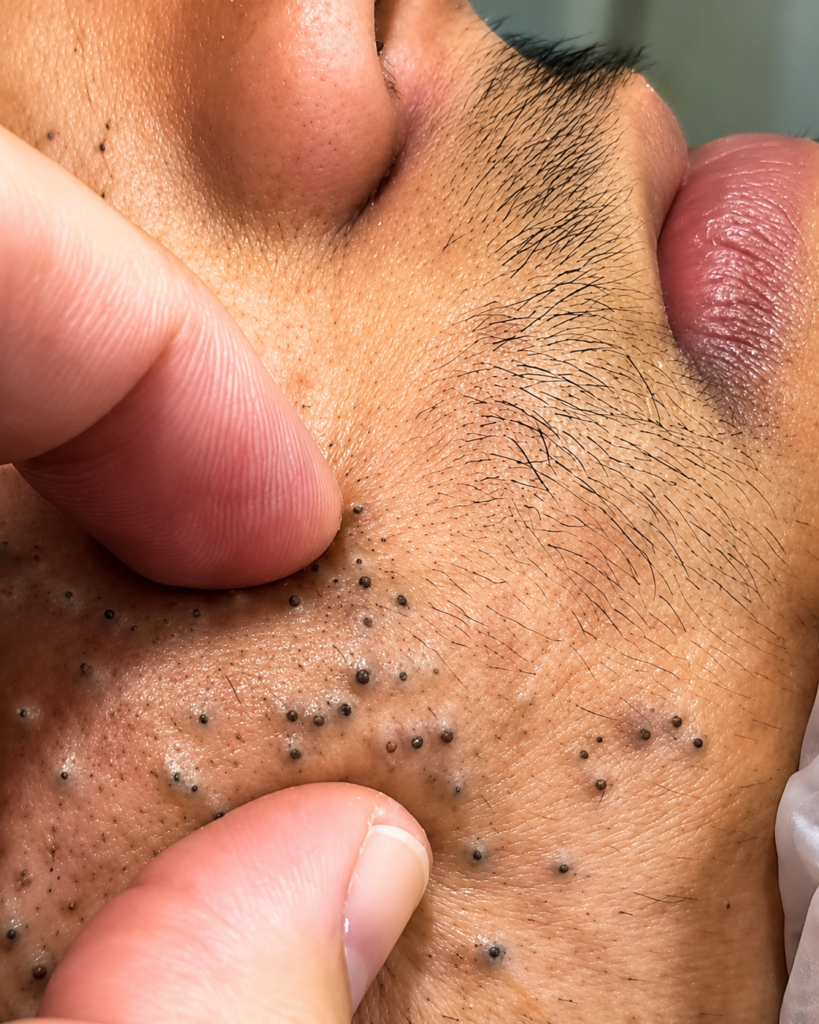
Acne is one of the most common skin problems in the world. Many people experience pimples, blackheads, whiteheads, or painful cysts at different stages of life. One of the biggest questions people ask is: “How long does acne take to go away?” The answer depends on the type of acne, skin condition, lifestyle, hormones, and treatment methods.
Some acne disappears within a few days, while severe acne may take months or even years to fully heal. Understanding the healing process can help you stay patient and choose the right skincare routine.
What Is Acne?
Acne is a skin condition that happens when pores become blocked with oil, dead skin cells, and bacteria. It usually appears on the face, forehead, nose, cheeks, chest, shoulders, and back.
Common types of acne include:
- Whiteheads
- Blackheads
- Papules
- Pustules
- Nodules
- Cystic acne
Acne can affect teenagers, adults, and sometimes even children. Hormonal changes are one of the main causes of breakouts.
How Long Does a Pimple Last?
The healing time of acne depends on the type of pimple.
Small Pimples
Small whiteheads or blackheads may disappear within:
- 1 to 7 days
These mild pimples usually heal faster if you avoid touching them.
Red Inflamed Pimples
Painful red pimples can take:
- 1 to 2 weeks
Inflammation inside the skin makes healing slower.
Deep Cystic Acne
Cystic acne is more severe and may last:
- Several weeks or months
These pimples form deep under the skin and often cause scars if treated incorrectly.
How Long Does Acne Take to Fully Clear?
Mild acne may improve within:
- 4 to 8 weeks
Moderate acne may require:
- 2 to 6 months
Severe acne can take:
- 6 months to 1 year or longer
Most acne treatments need time before showing visible results. Many people stop treatment too early because they expect instant improvement.
Why Acne Takes Time to Heal
Acne healing is not immediate because the skin needs time to repair itself. Several processes happen under the surface:
- Excess oil production slows down
- Bacteria reduce gradually
- Inflammation decreases
- Damaged skin repairs itself
- New skin cells replace old ones
This entire cycle can take weeks.
Factors That Affect Acne Healing Time
1. Type of Acne
Mild acne heals faster than cystic acne. Deep acne damages more skin tissue and requires longer recovery.
2. Hormones
Hormonal imbalance can keep causing new pimples. Teenagers, pregnant women, and adults under stress often experience hormonal acne.
3. Skincare Routine
Using proper skincare products helps acne heal faster. Harsh products may irritate the skin and delay recovery.
4. Diet
Sugary foods, oily fast food, and excessive dairy may trigger breakouts in some people.
5. Stress
Stress increases hormone levels that can worsen acne.
6. Picking Pimples
Touching or squeezing pimples slows healing and may leave scars.
Stages of Acne Healing
Early Stage
The pore becomes clogged with oil and dead skin.
Inflammation Stage
Redness, swelling, and pain develop due to bacteria.
Healing Stage
The pimple dries out slowly.
Recovery Stage
New skin forms and redness fades.
Best Treatments for Faster Acne Recovery
1. Salicylic Acid
Salicylic acid removes dead skin and unclogs pores.
Benefits include:
- Reduces blackheads
- Clears oil buildup
- Prevents new acne
2. Benzoyl Peroxide
This treatment kills acne-causing bacteria.
Benefits include:
- Reduces inflammation
- Speeds healing
- Prevents infection
3. Retinoids
Retinoids increase skin cell turnover.
Benefits include:
- Clears pores
- Reduces acne scars
- Prevents future breakouts
4. Antibiotics
Doctors may prescribe antibiotics for severe acne.
5. Natural Remedies
Some natural remedies may help mild acne, including:
- Aloe vera
- Honey
- Green tea
- Tea tree oil
Always test natural products carefully because some may irritate sensitive skin.
Daily Skincare Routine for Acne
A proper routine can improve healing speed.
Morning Routine
- Wash face with gentle cleanser
- Apply lightweight moisturizer
- Use sunscreen
Night Routine
- Remove dirt and oil
- Use acne treatment
- Moisturize skin
Consistency is very important for results.
Foods That May Help Acne Heal Faster
Healthy foods support skin recovery.
Good Foods for Acne
- Fruits
- Vegetables
- Fish rich in omega-3
- Nuts
- Whole grains
- Water
Foods That May Trigger Acne
- Sugary drinks
- Fast food
- Fried foods
- Excess dairy products
Not everyone reacts the same way, but healthy eating improves overall skin health.
How Stress Affects Acne
Stress increases cortisol hormone levels. Higher stress can lead to:
- More oil production
- Increased inflammation
- Slower healing
Relaxation techniques like exercise, meditation, and proper sleep may help improve skin condition.
Common Mistakes That Slow Acne Healing
Overwashing the Face
Washing too much removes natural oils and irritates skin.
Using Too Many Products
Too many creams and treatments can damage the skin barrier.
Popping Pimples
Squeezing acne pushes bacteria deeper into the skin.
Skipping Moisturizer
Dry skin can actually produce more oil.
Can Acne Leave Scars?
Yes, severe acne can leave scars, especially cystic acne.
Common acne scars include:
- Ice pick scars
- Rolling scars
- Dark spots
- Red marks
Early treatment reduces scar risk.
When to See a Dermatologist
You should visit a skin specialist if:
- Acne is painful
- Pimples keep returning
- Over-the-counter treatments fail
- Acne causes scars
- Acne affects confidence or mental health
Professional treatment often speeds up recovery.
Tips to Make Acne Heal Faster
- Keep hands away from face
- Drink enough water
- Sleep properly
- Avoid harsh scrubs
- Clean pillowcases regularly
- Use non-comedogenic skincare products
- Stay consistent with treatment
Small daily habits make a big difference over time.
Does Acne Ever Go Away Completely?
For many people, acne improves with age and proper treatment. Teen acne often decreases after hormonal changes settle. However, some adults continue to experience breakouts.
The good news is that modern skincare and medical treatments can control acne effectively.
Emotional Effects of Acne
Acne can affect self-confidence and emotional health. Some people feel embarrassed or anxious because of visible breakouts.
Remember that acne is extremely common and treatable. Healing takes time, patience, and consistency.
Final Thoughts
So, how long does acne take to go away? Mild pimples may heal within days, while moderate or severe acne can take months to fully improve. The exact timeline depends on skin type, hormones, lifestyle, and treatment methods.
The key to faster healing is consistency. Following a gentle skincare routine, eating healthy foods, avoiding stress, and using the right treatments can greatly improve your skin over time.
Do not expect overnight results. Acne treatment is a gradual process, but with patience and proper care, clearer skin is possible for most people.