
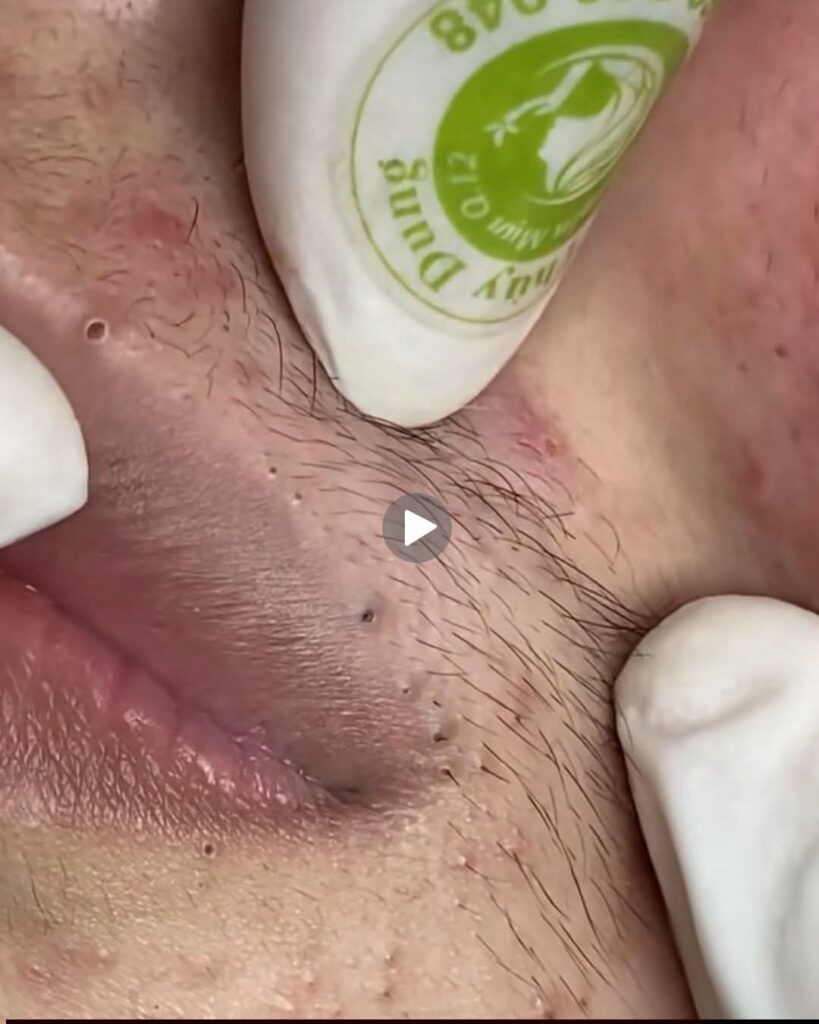
Acne is one of the most common skin conditions in the world, affecting teenagers, young adults, and even older people. Many people wonder, “How long does acne last?” The answer depends on several factors, including age, skin type, hormones, lifestyle, and treatment methods. For some people, acne disappears within a few months, while for others it can continue for years.
Understanding the causes and duration of acne can help you manage breakouts more effectively and reduce the risk of scars. In this article, you will learn how long acne usually lasts, why it happens, and the best ways to treat and prevent it naturally and medically.
What Is Acne?
Acne is a skin condition that develops when hair follicles become clogged with oil, dead skin cells, and bacteria. It commonly appears on the face, forehead, chest, shoulders, and back because these areas produce more oil.
Acne can appear in different forms, including:
- Whiteheads
- Blackheads
- Pimples
- Cysts
- Nodules
Some acne is mild, while severe acne can cause pain, inflammation, and permanent scars.
How Long Does Acne Usually Last?
The duration of acne varies from person to person. In most cases:
- Teenage acne may last from ages 12 to 18
- Adult acne can continue into the 20s, 30s, or even 40s
- Mild acne may disappear in weeks or months
- Severe acne can last for years without proper treatment
Many teenagers notice improvement after puberty because hormone levels become more stable. However, some people continue to struggle with acne long after their teenage years.
Acne Duration by Age
Teen Acne
Teen acne is mostly caused by hormonal changes during puberty. Increased hormones make oil glands more active, leading to clogged pores.
Teen acne usually lasts:
- 5 to 10 years
- Often improves in the late teens or early 20s
Boys often experience more severe acne during puberty due to higher testosterone levels.
Adult Acne
Adult acne is becoming increasingly common, especially in women. Hormonal fluctuations, stress, and lifestyle habits often contribute to breakouts.
Adult acne may last:
- Several years
- Continuously without treatment
- During menstrual cycles or pregnancy
Some people experience acne for the first time as adults.
Factors That Affect How Long Acne Lasts
Several factors determine how long acne stays on your skin.
1. Hormones
Hormones are one of the biggest causes of acne. Puberty, pregnancy, menstrual cycles, and hormonal disorders can trigger breakouts.
Hormonal acne often appears:
- On the chin
- Jawline
- Lower cheeks
If hormones remain unbalanced, acne may continue for a long time.
2. Skin Type
People with oily skin usually experience acne for longer periods because excess oil clogs pores more easily.
Dry skin can still develop acne, especially if harsh products damage the skin barrier.
3. Genetics
If your parents had acne, there is a higher chance you may experience long-lasting acne too.
Genetics can affect:
- Oil production
- Skin sensitivity
- Inflammation levels
4. Stress
Stress increases cortisol levels in the body, which can worsen acne and slow healing.
People under constant stress may notice:
- More breakouts
- Longer healing time
- Increased redness
5. Diet
Some foods may trigger acne in certain individuals.
Common triggers include:
- Sugary foods
- Fast food
- Dairy products
- Processed snacks
A healthy diet rich in fruits and vegetables may help reduce inflammation and improve skin health.
6. Skincare Routine
Using the wrong skincare products can make acne worse and prolong healing.
Avoid:
- Heavy oily creams
- Over-scrubbing
- Harsh chemicals
- Sleeping with makeup
Gentle skincare can help acne heal faster.
How Long Does a Pimple Last?
A normal pimple typically lasts:
- 3 to 7 days
Deeper cystic acne may last:
- Several weeks
- Sometimes months
Picking or squeezing pimples can increase healing time and cause scars.
Stages of Acne Healing
Acne usually goes through several stages before disappearing.
Stage 1: Clogged Pore
Oil and dead skin block the pore.
Stage 2: Inflammation
The area becomes red, swollen, or painful.
Stage 3: Pimple Formation
A whitehead, blackhead, or cyst develops.
Stage 4: Healing
The pimple dries out and slowly disappears.
Stage 5: Post-Acne Marks
Dark spots or redness may remain after the acne heals.
Can Acne Go Away Naturally?
Yes, mild acne can sometimes disappear naturally, especially after puberty. However, severe acne usually needs treatment.
Natural improvement depends on:
- Hormone balance
- Healthy lifestyle
- Proper skincare
- Reduced stress
Ignoring severe acne may lead to permanent scars.
Best Treatments for Acne
1. Salicylic Acid
Salicylic acid helps unclog pores and reduce oil buildup.
Benefits:
- Removes dead skin cells
- Reduces blackheads
- Prevents new pimples
2. Benzoyl Peroxide
This ingredient kills acne-causing bacteria and reduces inflammation.
It works best for:
- Red pimples
- Inflamed acne
3. Retinoids
Retinoids increase skin cell turnover and prevent clogged pores.
They are highly effective for:
- Persistent acne
- Acne scars
- Blackheads
4. Antibiotics
Doctors may prescribe antibiotics for severe inflammatory acne.
These reduce:
- Bacteria
- Swelling
- Redness
5. Hormonal Treatments
Women with hormonal acne may benefit from:
- Birth control pills
- Hormone-balancing medications
Natural Remedies for Acne
Some natural remedies may help mild acne.
Tea Tree Oil
Tea tree oil has antibacterial properties that can reduce pimples.
Always dilute before use.
Aloe Vera
Aloe vera soothes irritated skin and reduces redness.
Honey
Raw honey may help reduce bacteria and inflammation.
Green Tea
Green tea contains antioxidants that help calm acne-prone skin.
How to Prevent Acne from Lasting Longer
Wash Your Face Gently
Clean your face twice daily with a mild cleanser.
Avoid excessive washing because it can irritate the skin.
Avoid Picking Pimples
Popping pimples can:
- Spread bacteria
- Cause scars
- Delay healing
Use Non-Comedogenic Products
Choose skincare and makeup products labeled:
- Oil-free
- Non-comedogenic
These products are less likely to clog pores.
Stay Hydrated
Drinking enough water supports overall skin health.
Get Enough Sleep
Poor sleep can increase stress hormones and worsen acne.
Aim for:
- 7 to 9 hours of sleep daily
When Should You See a Dermatologist?
You should consult a dermatologist if:
- Acne is painful
- Over-the-counter products do not work
- You develop cystic acne
- Acne causes emotional stress
- Scars begin forming
Professional treatment can prevent long-term skin damage.
Does Acne Leave Scars?
Yes, severe or untreated acne can leave scars.
Common acne scars include:
- Ice pick scars
- Rolling scars
- Boxcar scars
Early treatment reduces the risk of permanent scarring.
Emotional Effects of Acne
Acne affects more than just the skin. Many people experience:
- Low self-esteem
- Anxiety
- Depression
- Social discomfort
Treating acne early can improve both physical and emotional well-being.
Final Thoughts
So, how long does acne last? The answer depends on your age, hormones, skin type, and treatment routine. Mild acne may disappear within weeks or months, while severe acne can last for years if left untreated.
The good news is that acne can usually be managed successfully with proper skincare, healthy habits, and medical treatment when needed. Consistency is the key to clearer skin. Avoid harsh products, manage stress, eat a balanced diet, and seek professional help if acne becomes severe.
With patience and the right approach, most people can greatly reduce acne and achieve healthier, clearer skin over time.