
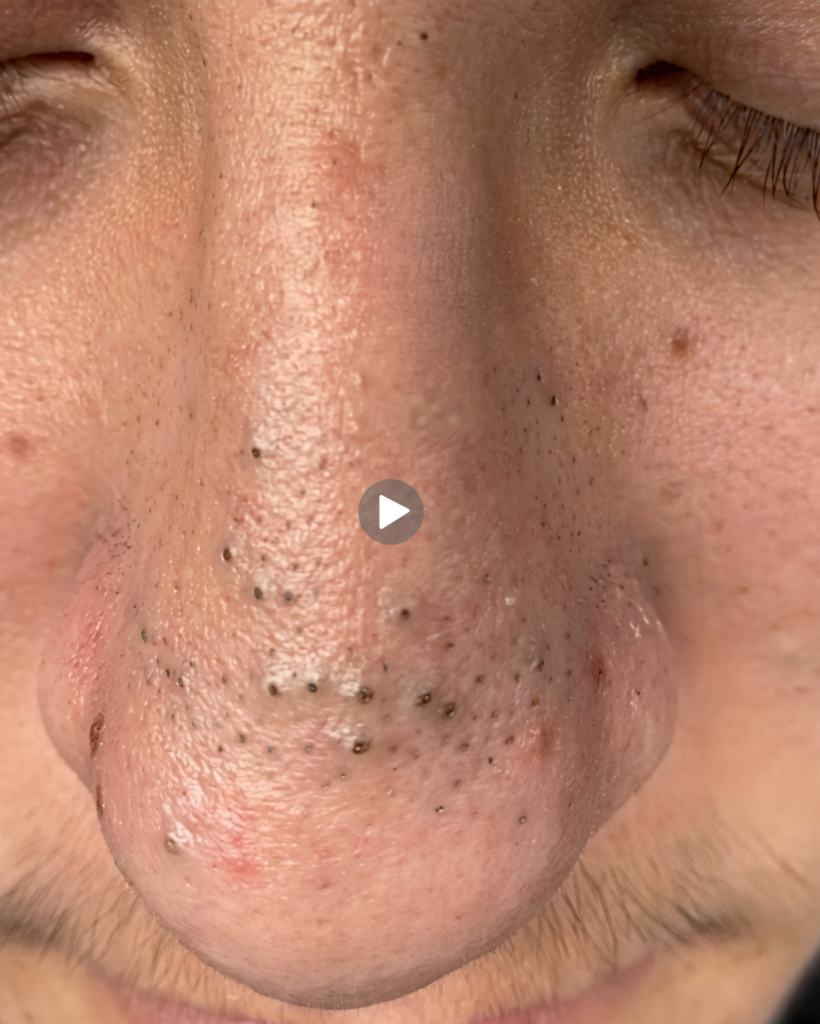
Pimples on the nose are one of the most common skin problems people face. Because the nose is part of the T-zone, it naturally produces more oil than other areas of the face. Excess oil, clogged pores, bacteria, and dirt can quickly lead to acne breakouts on the nose. These pimples can be painful, red, swollen, and sometimes difficult to get rid of.
If you are constantly getting pimples on your nose, understanding the causes and learning the right skincare habits can help you achieve clearer skin. In this guide, you will learn why nose pimples happen, how to treat them safely, and the best ways to prevent future breakouts naturally.
Why Am I Getting Pimples on My Nose?
The nose contains many sebaceous glands that produce sebum, an oily substance that protects your skin. When too much oil mixes with dead skin cells and bacteria, pores become blocked and pimples form.
Common causes of nose pimples include:
- Excess oil production
- Hormonal changes
- Poor skincare habits
- Touching your face often
- Dirty makeup brushes
- Stress and lack of sleep
- Eating oily or sugary foods
- Wearing dirty masks or glasses
- Using harsh skincare products
Sometimes nose pimples can also be linked to irritation, allergies, or even ingrown hairs.
Types of Pimples That Appear on the Nose
Understanding the type of acne you have can help you choose the right treatment.
Whiteheads
Whiteheads are clogged pores covered by skin. They appear as small white bumps and are usually caused by oil buildup.
Blackheads
Blackheads occur when clogged pores stay open and oxidize. They are very common around the nose area.
Papules
Papules are small red bumps that can feel sore or tender.
Pustules
These are red pimples filled with pus. They are often painful and inflamed.
Cystic Acne
Cystic acne is deep, painful, and swollen. These pimples can leave scars if not treated properly.
Main Reasons for Nose Acne
Excess Oil Production
The nose naturally produces more oil than other parts of the face. Oily skin increases the risk of clogged pores and acne.
Hormonal Changes
Hormones can increase oil production, especially during puberty, menstruation, pregnancy, or stress.
Dirty Hands and Phones
Touching your nose frequently transfers bacteria and dirt onto the skin, which may trigger breakouts.
Poor Diet
Foods high in sugar, processed carbohydrates, and unhealthy fats may worsen acne in some people.
Stress
Stress can increase cortisol levels in the body, leading to more oil production and inflammation.
Not Removing Makeup Properly
Sleeping with makeup on can clog pores and trap bacteria inside the skin.
How to Treat Pimples on Your Nose
Treating nose pimples requires patience and consistent skincare. Avoid harsh treatments that irritate the skin.
Clean Your Face Twice Daily
Wash your face with a gentle cleanser morning and night to remove excess oil and dirt.
Look for ingredients like:
- Salicylic acid
- Benzoyl peroxide
- Niacinamide
- Tea tree oil
Avoid scrubbing too hard because it can irritate the skin and worsen acne.
Use Warm Compresses
Applying a warm compress helps reduce inflammation and encourages clogged pores to open naturally.
How to do it:
- Soak a clean cloth in warm water
- Place it on the nose for 5–10 minutes
- Repeat twice daily
Apply Spot Treatments
Spot treatments can reduce swelling and kill acne-causing bacteria.
Helpful ingredients include:
- Benzoyl peroxide
- Sulfur
- Salicylic acid
- Retinoids
Only apply a small amount directly to the pimple.
Avoid Popping Pimples
Popping pimples can:
- Push bacteria deeper into the skin
- Cause infections
- Leave scars
- Increase redness
It is better to let the pimple heal naturally.
Natural Remedies for Nose Pimples
Some natural remedies may help calm mild acne and reduce redness.
Honey
Honey has antibacterial properties that may help soothe inflamed skin.
How to use:
- Apply raw honey to the pimple
- Leave for 10–15 minutes
- Rinse with lukewarm water
Aloe Vera
Aloe vera can reduce redness and irritation while keeping skin hydrated.
Use pure aloe vera gel directly on the affected area.
Ice Therapy
Ice helps reduce swelling and redness quickly.
Wrap ice in a clean cloth and apply it for 1–2 minutes at a time.
Green Tea
Green tea contains antioxidants that may help reduce oil production.
You can:
- Use green tea toner
- Apply cooled green tea bags to the skin
Best Skincare Routine for Nose Acne
Following a proper skincare routine is important for preventing recurring breakouts.
Morning Routine
- Gentle cleanser
- Lightweight moisturizer
- Sunscreen SPF 30 or higher
Night Routine
- Remove makeup completely
- Cleanse your face
- Apply acne treatment
- Use non-comedogenic moisturizer
Ingredients That Help Clear Nose Pimples
Salicylic Acid
Salicylic acid unclogs pores and removes excess oil.
Benzoyl Peroxide
This ingredient kills acne-causing bacteria and reduces inflammation.
Niacinamide
Niacinamide helps calm redness and control oil production.
Retinoids
Retinoids speed up skin cell turnover and help prevent clogged pores.
Habits That Make Nose Pimples Worse
Avoid these common mistakes:
- Overwashing your face
- Using harsh scrubs
- Touching pimples constantly
- Sleeping on dirty pillowcases
- Sharing makeup products
- Using oily skincare products
- Skipping sunscreen
These habits can irritate the skin and increase acne.
How to Prevent Pimples on Your Nose
Preventing acne is often easier than treating it later.
Keep Your Skin Clean
Wash your face regularly, especially after sweating.
Change Pillowcases Frequently
Dirty pillowcases collect oil and bacteria that transfer to your skin.
Drink More Water
Hydrated skin functions better and may heal faster.
Eat a Balanced Diet
Focus on:
- Fruits
- Vegetables
- Lean proteins
- Healthy fats
Reduce sugary snacks and processed foods if they trigger your acne.
Manage Stress
Try activities like:
- Exercise
- Meditation
- Walking
- Good sleep habits
Stress management can improve overall skin health.
When to See a Dermatologist
You should consult a dermatologist if:
- Pimples are severe or painful
- Acne leaves scars
- Over-the-counter treatments do not work
- Breakouts continue for months
- You have cystic acne
A dermatologist may recommend prescription creams, antibiotics, or professional treatments.
Can Nose Pimples Be a Sign of Health Problems?
Occasional pimples are normal, but persistent acne may sometimes be linked to:
- Hormonal imbalance
- Polycystic ovary syndrome (PCOS)
- Stress-related inflammation
- Poor skincare habits
If acne suddenly becomes severe, medical advice may help identify the cause.
Final Thoughts
Getting pimples on your nose can be frustrating, especially when they keep coming back. Since the nose produces more oil than other areas of the face, it is more prone to clogged pores and acne breakouts. Fortunately, proper skincare, healthy habits, and gentle treatments can help reduce pimples and prevent future breakouts.
The key is consistency. Clean your skin gently, avoid touching your face, use acne-friendly products, and stay patient with the healing process. With the right care, your skin can become clearer, healthier, and more balanced over time.