
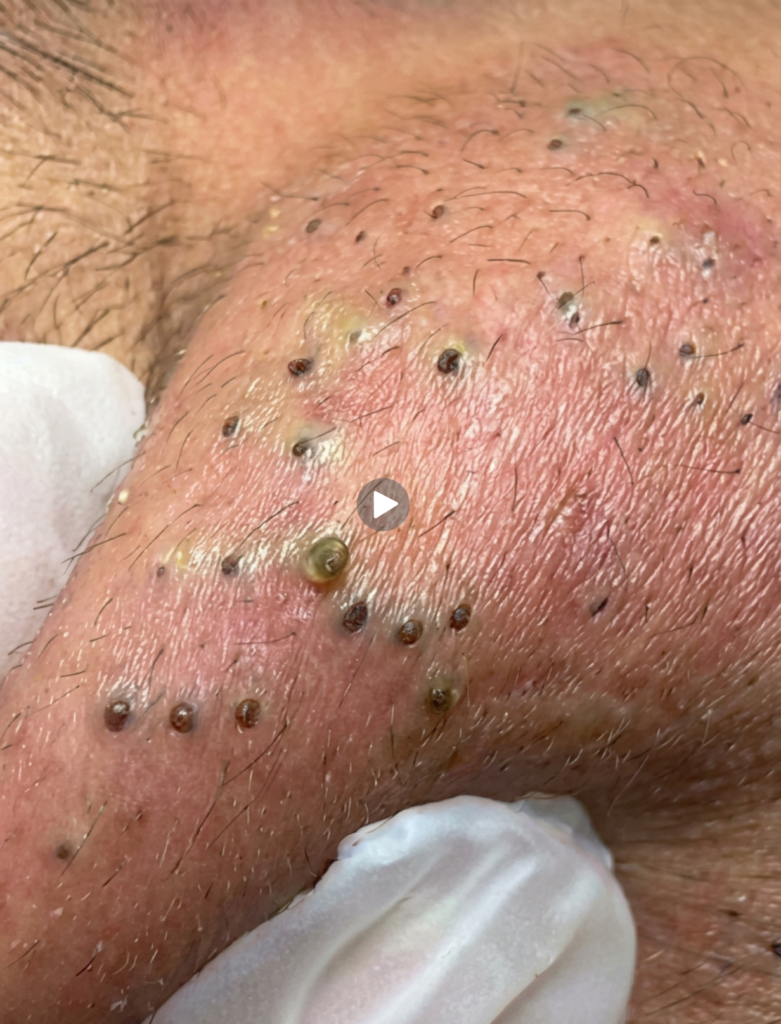
Acne is one of the most common skin problems affecting teenagers and adults around the world. Pimples, blackheads, whiteheads, and painful cysts can damage confidence and make skin look unhealthy. While many chemical treatments are available, some people prefer natural herbal remedies because they are gentle, affordable, and packed with skin-friendly nutrients.
Herbal acne treatments have been used for centuries to reduce inflammation, fight bacteria, and improve skin health naturally. Many herbs contain antibacterial, antifungal, and anti-inflammatory properties that help control acne without harsh side effects.
In this article, you will learn about the most effective herbal acne treatments, their benefits, and how to use them safely for healthier and clearer skin.
What Causes Acne?
Before treating acne, it is important to understand its causes. Acne develops when pores become clogged with oil, dead skin cells, and bacteria.
Common Causes of Acne
- Excess oil production
- Hormonal changes
- Stress
- Poor diet
- Dirty skincare tools
- Bacteria buildup
- Lack of sleep
- Harsh skincare products
Natural herbs may help reduce these causes and support healthier skin.
Why Choose Herbal Acne Treatments?
Many herbal remedies are rich in antioxidants, vitamins, and healing compounds that improve skin naturally.
Benefits of Herbal Acne Treatment
- Reduces inflammation
- Kills acne-causing bacteria
- Controls excess oil
- Helps fade acne scars
- Supports skin healing
- Gentle on sensitive skin
- Affordable and easy to use
Unlike some chemical treatments, herbal remedies often have fewer side effects when used properly.
Best Herbs for Acne Treatment
1. Neem
Neem is one of the most powerful herbs for acne treatment. It contains antibacterial and antifungal properties that help fight pimples naturally.
Benefits of Neem for Acne
- Reduces bacteria
- Controls oily skin
- Cleans pores
- Prevents future breakouts
- Reduces redness
How to Use Neem
Mix neem powder with water or honey to create a paste. Apply to acne-prone areas for 15 minutes before washing.
2. Aloe Vera
Aloe vera is famous for soothing irritated skin and reducing inflammation caused by acne.
Benefits of Aloe Vera
- Hydrates skin
- Reduces redness
- Speeds healing
- Helps acne scars fade
- Calms irritation
How to Use Aloe Vera
Apply fresh aloe vera gel directly to the skin after washing your face.
3. Turmeric
Turmeric contains curcumin, a powerful anti-inflammatory compound that helps fight acne naturally.
Benefits of Turmeric
- Fights bacteria
- Brightens skin
- Reduces inflammation
- Helps dark spots
- Controls oil
How to Use Turmeric
Mix turmeric with yogurt or honey and apply as a face mask for 10–15 minutes.
4. Tea Tree Oil
Tea tree oil is a popular herbal treatment for acne because of its antibacterial properties.
Benefits of Tea Tree Oil
- Kills acne bacteria
- Reduces swelling
- Helps dry pimples
- Prevents clogged pores
How to Use Tea Tree Oil
Dilute a few drops with a carrier oil before applying to pimples. Never use pure tea tree oil directly on sensitive skin.
5. Green Tea
Green tea contains antioxidants that help reduce oil production and inflammation.
Benefits of Green Tea
- Controls oily skin
- Reduces redness
- Protects skin cells
- Helps prevent acne
How to Use Green Tea
Use cooled green tea as a natural toner or apply green tea bags to inflamed pimples.
6. Basil (Tulsi)
Tulsi is known for its cleansing and antibacterial properties.
Benefits of Tulsi
- Removes toxins
- Fights bacteria
- Reduces acne marks
- Controls excess oil
How to Use Tulsi
Crush fresh tulsi leaves and mix with rose water to form a paste.
7. Chamomile
Chamomile helps calm irritated and sensitive acne-prone skin.
Benefits of Chamomile
- Reduces swelling
- Soothes skin
- Helps skin recover
- Minimizes redness
How to Use Chamomile
Use chamomile tea as a face rinse or compress.
8. Rosemary
Rosemary helps improve blood circulation and supports healthy skin.
Benefits of Rosemary
- Reduces acne bacteria
- Tightens skin
- Refreshes pores
- Improves skin appearance
How to Use Rosemary
Use rosemary water as a facial mist or toner.
Homemade Herbal Acne Face Masks
Neem and Turmeric Mask
Ingredients
- 1 teaspoon neem powder
- 1/2 teaspoon turmeric
- Rose water
Instructions
Mix ingredients into a smooth paste. Apply for 15 minutes and rinse with cool water.
Benefits
This mask helps reduce acne, bacteria, and inflammation.
Aloe Vera and Honey Mask
Ingredients
- 1 tablespoon aloe vera gel
- 1 teaspoon honey
Instructions
Apply to the face for 20 minutes before washing.
Benefits
Hydrates skin while calming irritated acne.
Green Tea and Yogurt Mask
Ingredients
- 1 teaspoon green tea powder
- 1 tablespoon yogurt
Instructions
Apply evenly and leave for 15 minutes.
Benefits
Helps reduce oiliness and brighten the skin.
Herbal Toners for Acne
Natural herbal toners refresh the skin and help tighten pores.
Easy Herbal Toner Recipe
Ingredients
- Green tea
- Rose water
- Few drops of tea tree oil
Mix ingredients in a spray bottle and apply after cleansing.
Herbal Drinks for Clear Skin
Healthy skin also depends on internal health. Some herbal drinks may support skin cleansing from within.
Best Herbal Drinks
- Green tea
- Mint tea
- Turmeric milk
- Chamomile tea
These drinks may help reduce inflammation and improve overall skin health.
Daily Skincare Routine for Acne-Prone Skin
Morning Routine
- Wash face with gentle cleanser
- Apply herbal toner
- Use light moisturizer
- Wear sunscreen
Night Routine
- Remove dirt and oil
- Apply aloe vera or herbal treatment
- Moisturize skin
- Sleep well
Consistency is important for visible results.
Foods That Help Reduce Acne
Healthy eating can improve skin condition naturally.
Best Foods for Acne-Prone Skin
- Fruits
- Leafy vegetables
- Nuts and seeds
- Fish rich in omega-3
- Whole grains
Foods That May Trigger Acne
Some foods may worsen acne in certain people.
Limit These Foods
- Sugary drinks
- Fast food
- Excess dairy
- Fried foods
- Processed snacks
Common Mistakes to Avoid
Using Too Many Products
Overloading the skin with treatments can increase irritation.
Picking Pimples
Touching or squeezing acne may cause scars and infections.
Skipping Moisturizer
Even oily skin needs hydration.
Expecting Overnight Results
Herbal treatments take time. Regular use is necessary for improvement.
Are Herbal Acne Treatments Safe?
Most herbal remedies are safe when used correctly. However, some people may have allergies or sensitive skin.
Safety Tips
- Do a patch test first
- Use diluted essential oils
- Stop use if irritation appears
- Consult a dermatologist for severe acne
Final Thoughts
Effective herbal acne treatment can help improve skin naturally without relying heavily on harsh chemicals. Herbs like neem, aloe vera, turmeric, green tea, tulsi, and chamomile contain powerful healing properties that help reduce pimples, control oil, and calm irritated skin.
For best results, combine herbal remedies with a healthy diet, proper hydration, good sleep, and a consistent skincare routine. Natural treatments may take time, but regular care can lead to healthier, clearer, and more glowing skin over time.
By choosing gentle herbal solutions and healthy habits, you can support your skin naturally and reduce acne safely.