
Introduction
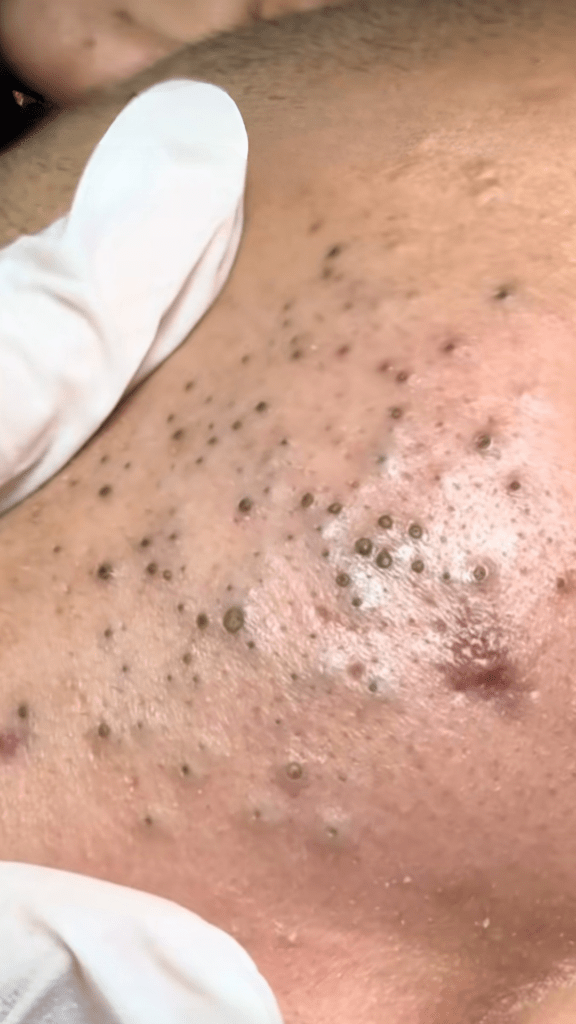
Acne is one of the most common skin problems affecting people of all ages, especially teenagers and young adults. It occurs when hair follicles become clogged with oil, dead skin cells, and bacteria. While acne is not dangerous, it can impact confidence and leave scars if not treated properly.
The good news is that following a consistent daily skincare routine can help control acne, reduce breakouts, and improve overall skin health. In this guide, you’ll learn a simple yet effective acne care routine that works for most skin types.
Understanding Acne
Before diving into the routine, it’s important to understand what causes acne:
- Excess oil (sebum) production
- Clogged pores
- Bacteria buildup
- Hormonal changes
- Poor skincare habits
- Diet and stress
Knowing the cause helps you choose the right treatment and avoid worsening the condition.
Morning Acne Skincare Routine
Starting your day with the right skincare routine is essential for keeping acne under control.
1. Gentle Cleanser
Wash your face with a mild, acne-friendly cleanser to remove oil and dirt accumulated overnight.
Tips:
- Use a sulfate-free cleanser
- Avoid harsh scrubbing
- Wash with lukewarm water
Cleansing helps prevent clogged pores, which are the main cause of acne.
2. Toner (Optional but Helpful)
A toner helps balance your skin’s pH level and removes any leftover impurities.
Best ingredients for acne-prone skin:
- Salicylic acid
- Witch hazel
- Niacinamide
Avoid alcohol-based toners as they can dry out your skin and worsen acne.
3. Acne Treatment (Serum or Spot Treatment)
Apply a treatment product targeting acne.
Common ingredients:
- Benzoyl peroxide (kills bacteria)
- Salicylic acid (unclogs pores)
- Niacinamide (reduces inflammation)
Use a thin layer and avoid overuse, as it can irritate the skin.
4. Lightweight Moisturizer
Many people skip moisturizer when they have acne, but this is a mistake. Dry skin can produce more oil, leading to more breakouts.
Choose:
- Oil-free moisturizer
- Non-comedogenic products
Hydrated skin heals faster and looks healthier.
5. Sunscreen (Very Important)
Sun exposure can worsen acne scars and pigmentation.
Use:
- SPF 30 or higher
- Gel-based or non-greasy sunscreen
Apply sunscreen daily, even if you stay indoors.
Night Acne Skincare Routine
Nighttime is when your skin repairs itself, making it crucial for acne care.
1. Double Cleansing (If Needed)
If you wear makeup or sunscreen, start with an oil-based cleanser, followed by a gentle face wash.
This ensures all dirt and oil are removed.
2. Exfoliation (2–3 Times a Week)
Exfoliation removes dead skin cells and prevents clogged pores.
Best options:
- Chemical exfoliants (AHAs, BHAs)
- Avoid physical scrubs (they irritate acne)
Do not over-exfoliate, as it can damage your skin barrier.
3. Treatment Products
Apply acne treatment again at night.
Stronger treatments used at night:
- Retinoids (help unclog pores and reduce acne)
- Salicylic acid
Start slowly to avoid irritation.
4. Moisturizer
Use a slightly richer moisturizer at night to help repair your skin.
Weekly Acne Care Tips
In addition to your daily routine, follow these weekly habits:
1. Face Masks
Use a clay or charcoal mask once or twice a week to absorb excess oil.
2. Change Pillowcases
Dirty pillowcases can transfer bacteria to your skin. Change them at least twice a week.
3. Clean Makeup Brushes
Unclean brushes can cause breakouts. Wash them weekly.
Lifestyle Tips to Prevent Acne
Your lifestyle plays a big role in skin health.
1. Healthy Diet
Avoid:
- Excess sugar
- Junk food
- Dairy (for some people)
Eat:
- Fruits and vegetables
- Omega-3 rich foods
- Plenty of water
2. Stay Hydrated
Drinking enough water helps flush out toxins and keeps your skin hydrated.
3. Manage Stress
Stress increases hormones that trigger acne.
Try:
- Exercise
- Meditation
- Proper sleep
4. Avoid Touching Your Face
Your hands carry bacteria that can cause breakouts.
Common Acne Mistakes to Avoid
- Overwashing your face
- Using too many products at once
- Popping pimples (can cause scars)
- Skipping sunscreen
- Using oily or heavy products
Consistency is key—don’t expect overnight results.
Natural Remedies for Acne
If you prefer natural options, try:
1. Aloe Vera
Soothes inflammation and promotes healing.
2. Tea Tree Oil
Has antibacterial properties (use diluted).
3. Honey
Acts as a natural antibacterial agent.
When to See a Dermatologist
If your acne is severe or not improving with home care, consult a dermatologist.
You should seek help if:
- Acne is painful or cystic
- You have acne scars
- Over-the-counter products don’t work
Professional treatments may include:
- Prescription creams
- Oral medications
- Chemical peels
Conclusion
Managing acne requires patience, consistency, and the right skincare routine. By following a simple daily routine—cleansing, treating, moisturizing, and protecting your skin—you can significantly reduce breakouts and improve your skin’s appearance.
Remember, everyone’s skin is different. What works for one person may not work for another, so it’s important to find products and routines that suit your skin type.
Stick to your routine, maintain a healthy lifestyle, and over time, you’ll notice clearer, healthier skin.