
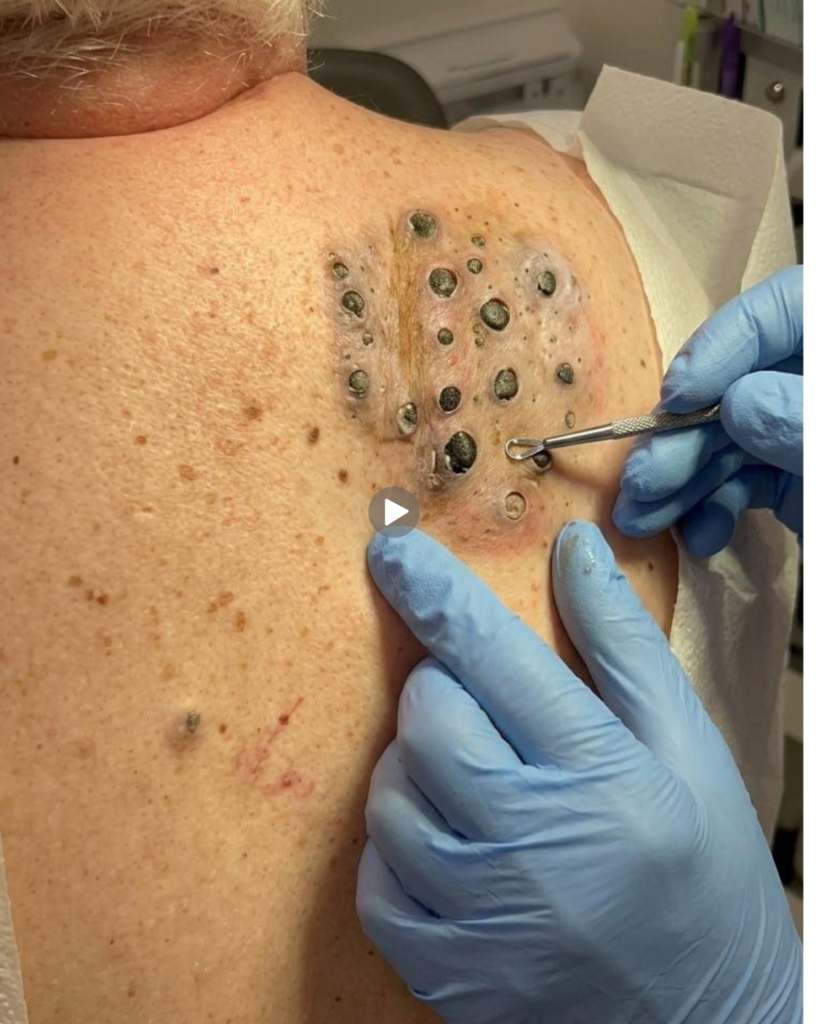
Acne is one of the most common skin problems affecting teenagers and adults around the world. Pimples, blackheads, whiteheads, and painful cysts can appear because of excess oil, bacteria, hormones, stress, or poor skincare habits. While many chemical treatments are available, people are now turning toward natural and herbal remedies to treat acne safely.
Herbal medicine has been used for centuries to improve skin health, reduce inflammation, and fight acne-causing bacteria. Many herbs contain powerful antioxidants, antibacterial compounds, and healing properties that help calm irritated skin and prevent future breakouts.
In this article, you will learn about the 10 best herbal medicines for acne, how they work, and the safest ways to use them for naturally clear skin.
Why Choose Herbal Medicine for Acne?
Many over-the-counter acne products contain harsh chemicals that may dry out the skin or cause redness and irritation. Herbal remedies are popular because they are often gentler and contain natural healing ingredients.
Benefits of herbal acne treatments include:
- Reducing inflammation and redness
- Killing acne-causing bacteria
- Controlling excess oil production
- Helping acne scars heal faster
- Supporting healthy skin naturally
- Fewer side effects compared to strong chemicals
Using herbal medicine regularly along with a healthy skincare routine may improve your skin over time.
1. Tea Tree Oil


Tea tree oil is one of the most famous herbal treatments for acne. It comes from the leaves of the tea tree plant and contains strong antibacterial and anti-inflammatory properties.
Benefits of Tea Tree Oil
- Kills acne-causing bacteria
- Reduces swelling and redness
- Helps dry out pimples naturally
- Prevents future breakouts
How to Use
Mix 2–3 drops of tea tree oil with a carrier oil like coconut oil or jojoba oil. Apply gently to acne spots once daily.
Warning
Never apply pure tea tree oil directly without dilution because it may irritate sensitive skin.
2. Aloe Vera


Aloe vera is a powerful herbal plant known for its soothing and healing effects. It contains vitamins, enzymes, and antioxidants that help repair damaged skin.
Benefits of Aloe Vera
- Calms irritated skin
- Reduces acne inflammation
- Moisturizes without clogging pores
- Helps fade acne marks
How to Use
Apply fresh aloe vera gel directly to clean skin and leave it overnight before washing your face in the morning.
3. Neem


Neem is widely used in herbal medicine because of its antibacterial and antifungal properties. It is especially helpful for oily and acne-prone skin.
Benefits of Neem
- Fights bacteria causing acne
- Controls excess oil
- Cleans clogged pores
- Reduces skin infections
How to Use
Mix neem powder with water or rose water to create a face mask. Apply for 15 minutes and rinse off.
4. Turmeric


Turmeric is a golden spice used in traditional medicine for centuries. It contains curcumin, which has anti-inflammatory and antibacterial effects.
Benefits of Turmeric
- Reduces acne swelling
- Brightens skin naturally
- Helps acne scars fade
- Prevents bacterial growth
How to Use
Mix turmeric with honey or yogurt and apply as a face mask for 10–15 minutes.
Tip
Use small amounts because turmeric may temporarily stain the skin yellow.
5. Green Tea
Green tea is rich in antioxidants called catechins that help reduce inflammation and oil production.
Benefits of Green Tea
- Reduces oily skin
- Protects skin from damage
- Helps prevent pimples
- Soothes irritated skin
How to Use
Brew green tea and let it cool. Use it as a facial toner with a cotton pad.
Drinking green tea regularly may also support healthier skin from inside the body.
6. Witch Hazel
Witch hazel is a natural herbal extract commonly used for skin cleansing.
Benefits of Witch Hazel
- Tightens pores
- Removes excess oil
- Reduces acne inflammation
- Cleans bacteria from the skin
How to Use
Apply alcohol-free witch hazel to the face using a cotton pad after washing your skin.
7. Basil Leaves
Basil is more than a cooking herb. It also has antibacterial and anti-inflammatory properties useful for acne treatment.
Benefits of Basil
- Fights acne bacteria
- Reduces skin irritation
- Helps control oil production
- Supports skin healing
How to Use
Boil basil leaves in water, cool the liquid, and use it as a natural toner.
8. Rosemary
Rosemary contains antioxidants and antibacterial compounds that may help improve acne-prone skin.
Benefits of Rosemary
- Helps clean pores
- Reduces swelling
- Controls oily skin
- Improves blood circulation
How to Use
Mix rosemary oil with a carrier oil and apply gently to affected areas.
9. Chamomile
Chamomile is famous for calming irritated skin and reducing redness.
Benefits of Chamomile
- Soothes inflamed acne
- Helps sensitive skin
- Reduces redness naturally
- Supports faster healing
How to Use
Use cooled chamomile tea as a face rinse or apply chamomile-infused skincare products.
10. Calendula
Calendula flowers are commonly used in herbal skincare because they support wound healing and reduce inflammation.
Benefits of Calendula
- Helps acne scars heal
- Reduces skin irritation
- Moisturizes dry acne-prone skin
- Supports healthy skin repair
How to Use
Apply calendula cream or oil to acne-affected areas daily.
Best Herbal Face Care Routine for Acne
Using herbal medicine works better when combined with a good skincare routine.
Morning Routine
- Wash your face with a gentle cleanser
- Apply aloe vera or green tea toner
- Use a lightweight moisturizer
- Apply sunscreen daily
Night Routine
- Clean your face properly
- Apply herbal acne treatment like tea tree oil or neem mask
- Moisturize the skin
- Sleep with a clean pillowcase
Consistency is very important for natural acne treatment.
Foods That Support Clear Skin
Healthy food can also help reduce acne naturally.
Best Foods for Acne-Prone Skin
- Fruits rich in vitamin C
- Green vegetables
- Nuts and seeds
- Fish with omega-3 fatty acids
- Plenty of water
Foods to Avoid
- Excess sugar
- Oily fast food
- Too much dairy
- Sugary drinks
A healthy diet combined with herbal medicine may improve your skin faster.
Tips for Using Herbal Acne Remedies Safely
Even natural remedies should be used carefully.
Important Safety Tips
- Always do a patch test first
- Avoid overusing essential oils
- Keep your skin clean
- Use fresh herbal ingredients when possible
- Stop use if irritation occurs
If you have severe or painful acne, consult a dermatologist for professional treatment.
Final Thoughts
Herbal medicine can be an effective and natural way to manage acne and improve skin health. Remedies like tea tree oil, aloe vera, neem, turmeric, and green tea help fight bacteria, reduce inflammation, and support healing without harsh chemicals.
Natural treatments usually take time, so patience and consistency are important. Combining herbal skincare with healthy eating, hydration, and proper hygiene can help you achieve clearer and healthier skin naturally.
By choosing the right herbal remedies and following a regular skincare routine, you can reduce acne breakouts and feel more confident about your skin.