
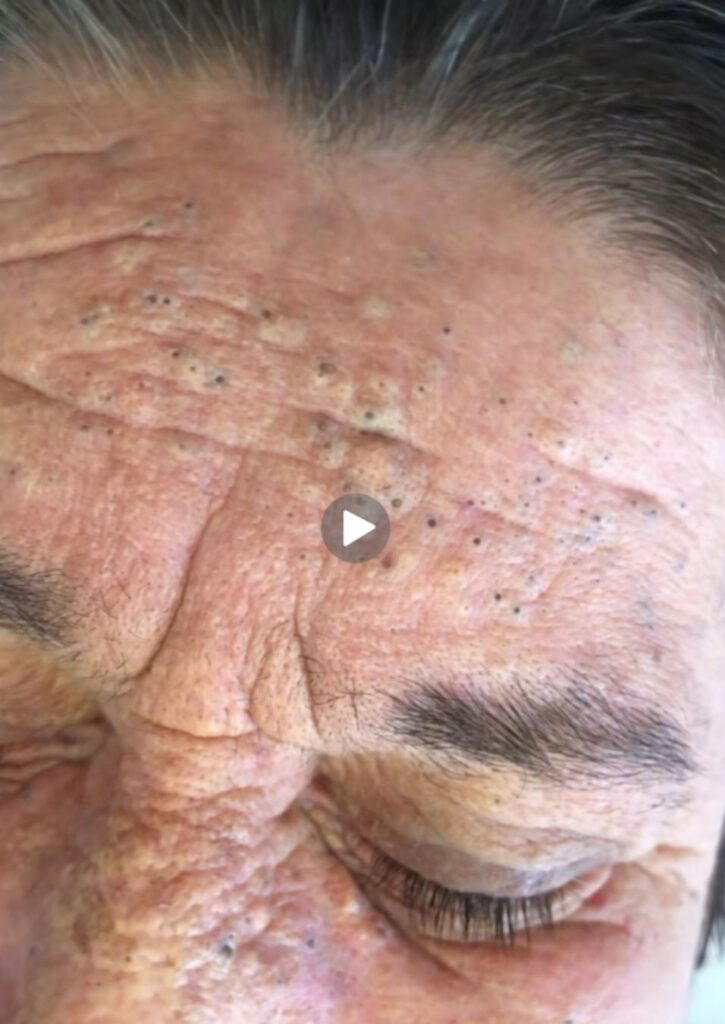
Acne is one of the most common skin problems affecting teenagers and adults worldwide. From painful pimples to stubborn blackheads and oily skin, acne can lower confidence and make skincare difficult. While many chemical treatments are available, people are now turning toward herbal medicine for acne because natural remedies are gentle, affordable, and effective for many skin types.
In this article, you will discover the 10 best herbal medicines for acne, their benefits, how to use them, and why they are becoming popular in natural skincare routines.
What Causes Acne?
Before treating acne naturally, it is important to understand its causes. Acne develops when pores become blocked with oil, dead skin cells, and bacteria. Common causes include:
- Excess oil production
- Hormonal changes
- Stress
- Poor diet
- Bacteria buildup
- Dirty skincare products
- Lack of proper skin hygiene
Herbal remedies help reduce inflammation, kill acne-causing bacteria, and improve skin healing naturally.
1. Tea Tree Oil


Tea tree oil is one of the most powerful herbal treatments for acne. It contains antibacterial and anti-inflammatory properties that help reduce pimples and redness.
Benefits of Tea Tree Oil
- Kills acne-causing bacteria
- Reduces swelling and redness
- Helps dry out pimples
- Controls oily skin
How to Use
Mix 2–3 drops of tea tree oil with coconut oil or aloe vera gel and apply to acne spots once daily.
2. Aloe Vera


Aloe vera is famous for soothing irritated skin and healing acne scars naturally.
Benefits of Aloe Vera
- Reduces inflammation
- Moisturizes skin naturally
- Helps heal acne marks
- Cools irritated skin
How to Use
Apply fresh aloe vera gel directly to your face for 20 minutes before washing.
3. Neem


Neem is a traditional herbal medicine widely used for skin infections and acne treatment.
Benefits of Neem
- Fights bacteria
- Reduces oily skin
- Prevents future breakouts
- Purifies the skin
How to Use
Make a paste using crushed neem leaves and water. Apply for 15 minutes and rinse.
4. Turmeric


Turmeric contains curcumin, a powerful anti-inflammatory compound that helps calm acne.
Benefits of Turmeric
- Reduces redness
- Brightens skin
- Fights acne bacteria
- Helps acne scars fade
How to Use
Mix turmeric with honey or yogurt to create a face mask. Use 2–3 times weekly.
5. Green Tea


Green tea is rich in antioxidants that help reduce oil production and inflammation.
Benefits of Green Tea
- Controls sebum production
- Reduces acne swelling
- Protects skin from damage
- Improves skin texture
How to Use
Cool brewed green tea and apply it with cotton to acne-prone areas.
6. Witch Hazel
Witch hazel is a natural herbal extract known for tightening pores and reducing oiliness.
Benefits of Witch Hazel
- Shrinks pores
- Removes excess oil
- Reduces acne inflammation
- Helps prevent blackheads
How to Use
Use alcohol-free witch hazel toner after washing your face.
7. Calendula
Calendula flowers contain healing compounds that help repair damaged skin.
Benefits of Calendula
- Speeds wound healing
- Reduces redness
- Soothes irritated skin
- Helps acne scars recover
How to Use
Apply calendula cream or herbal oil to affected skin areas daily.
8. Lavender Oil
Lavender oil is popular for calming both the skin and the mind. Stress is often linked to acne breakouts.
Benefits of Lavender Oil
- Reduces stress-related acne
- Kills bacteria
- Calms inflamed skin
- Supports skin healing
How to Use
Dilute lavender oil with carrier oil before applying to acne spots.
9. Rosemary
Rosemary contains antioxidants and antibacterial compounds that help improve skin health.
Benefits of Rosemary
- Prevents clogged pores
- Reduces oily skin
- Improves blood circulation
- Helps fight acne bacteria
How to Use
Use rosemary-infused water as a facial toner.
10. Chamomile
Chamomile is known for its soothing and anti-inflammatory effects.
Benefits of Chamomile
- Reduces skin irritation
- Calms redness
- Helps sensitive skin
- Supports natural healing
How to Use
Apply cooled chamomile tea bags directly onto acne-prone areas.
Tips for Using Herbal Medicine for Acne
Using herbal remedies correctly can improve results and protect your skin.
Important Tips
- Always patch test first
- Use natural remedies consistently
- Avoid harsh scrubbing
- Drink plenty of water
- Eat healthy foods
- Wash pillowcases regularly
- Avoid touching pimples
Best Diet for Acne-Free Skin
Healthy skin starts from within. Along with herbal medicine, your diet also matters.
Foods That Help Acne
- Fruits and vegetables
- Nuts and seeds
- Green tea
- Fish rich in omega-3
- Water-rich foods
Foods to Avoid
- Sugary drinks
- Fast food
- Excess dairy
- Oily snacks
- Processed foods
Are Herbal Acne Treatments Safe?
Most herbal remedies are safe when used properly. However, some people may experience irritation or allergies.
Safety Tips
- Do not overuse essential oils
- Avoid mixing too many remedies together
- Stop use if irritation occurs
- Consult a dermatologist for severe acne
Final Thoughts
Herbal medicine for acne is becoming increasingly popular because natural remedies can help fight pimples without harsh chemicals. Ingredients like tea tree oil, aloe vera, neem, turmeric, and green tea offer antibacterial and anti-inflammatory benefits that support healthier skin naturally.
Consistency is important when using herbal remedies. Results may take a few weeks, but with proper skincare, healthy eating, and patience, natural acne treatments can improve your skin over time.
If your acne becomes painful, severe, or leaves deep scars, seek professional medical advice for the best treatment plan.