
Introduction
Pimples are one of the most common skin problems affecting teenagers and adults worldwide. Almost everyone experiences pimples at some stage of life. While they are not usually dangerous, they can cause discomfort, pain, and emotional stress. Many people ask: Why do pimples appear? and How can we treat them safely and effectively?
In this detailed guide, you will learn:
- What pimples are
- Why pimples appear
- Common causes and risk factors
- Natural home remedies
- Medical treatments
- Prevention tips for clear skin
This article is fully SEO-optimized and written in simple English for better understanding and AdSense approval compliance.
What Is a Pimple?
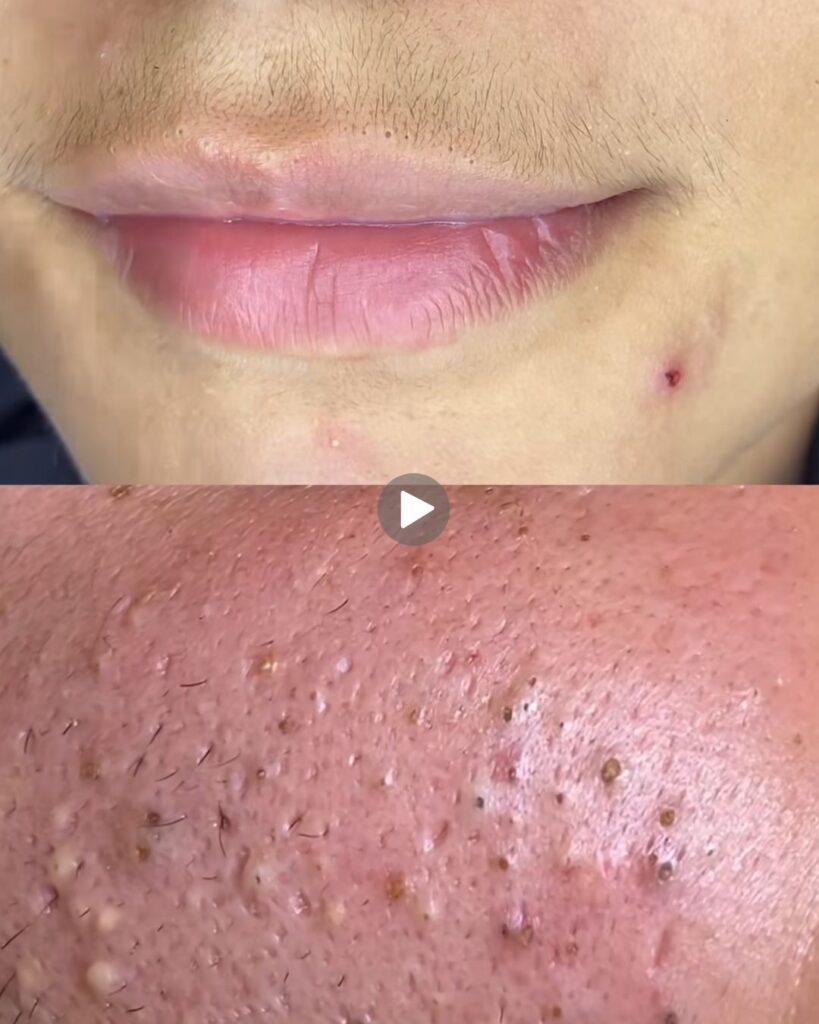
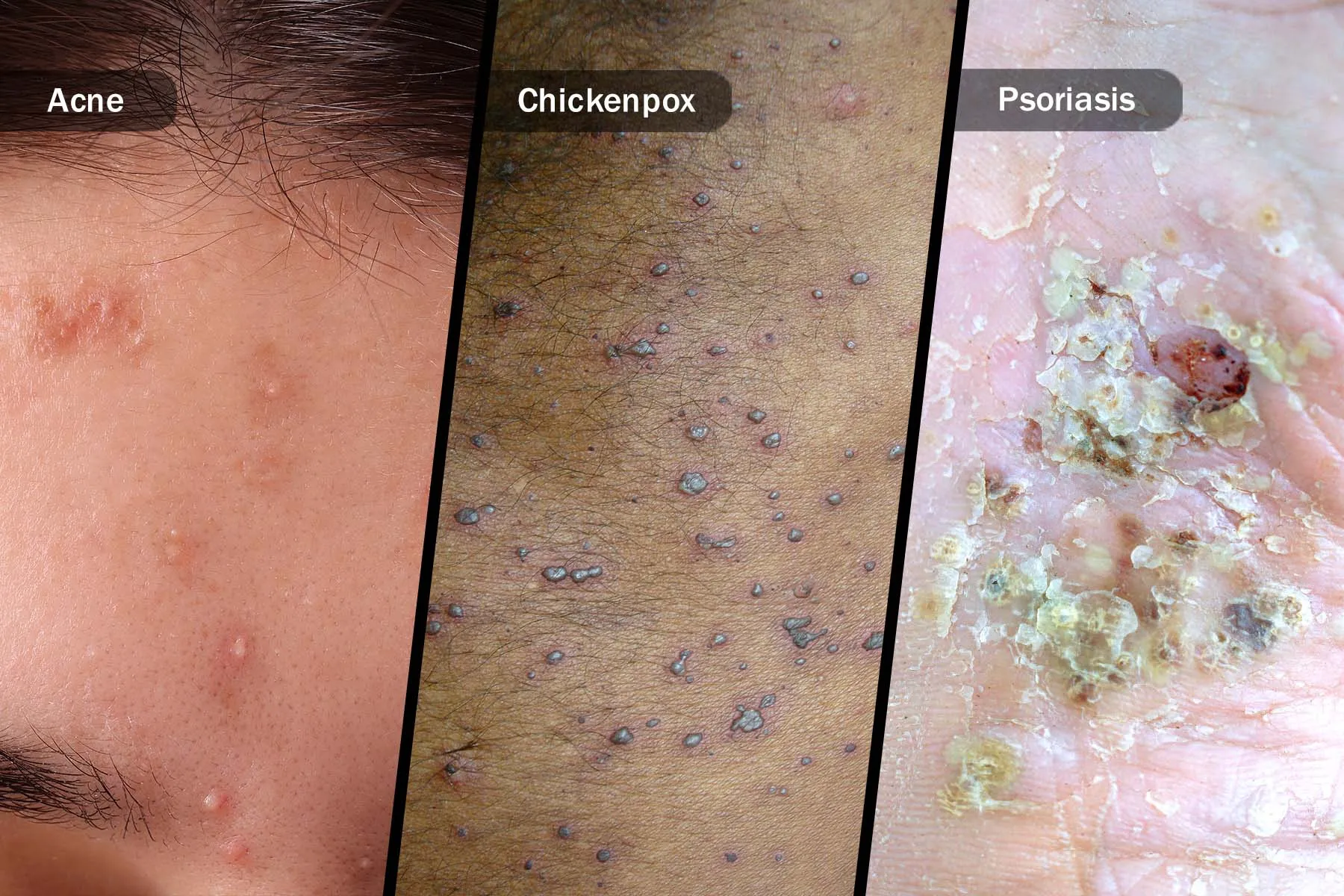
A pimple is a small swelling or bump that appears on the skin when hair follicles become blocked with oil (sebum), dead skin cells, and bacteria. Pimples are a part of a skin condition known as Acne vulgaris.
Pimples usually appear on:
- Face
- Forehead
- Nose
- Chin
- Chest
- Back
- Shoulders
These areas produce more oil, which increases the chances of clogged pores.
Why Do Pimples Appear?
There are several reasons why pimples develop. Let’s understand the main causes.
1. Excess Oil Production (Sebum)
Our skin naturally produces oil to keep it moisturized. However, when the oil glands produce too much sebum, pores become clogged. This creates the perfect environment for bacteria to grow.
2. Hormonal Changes
Hormones play a major role in pimple formation. During puberty, pregnancy, or stress, the body produces more androgens (male hormones). These hormones increase oil production.
Teenagers often experience more pimples because their hormones are very active.
3. Bacteria Growth
A specific bacteria called Cutibacterium acnes lives on our skin. When pores are clogged, this bacteria multiplies and causes inflammation, redness, and swelling.
4. Dead Skin Cell Build-Up
Normally, dead skin cells shed naturally. But sometimes they mix with oil and block pores. This leads to blackheads, whiteheads, and pimples.
5. Poor Skincare Habits
- Not washing the face properly
- Using oily makeup
- Sleeping with makeup on
- Using dirty pillow covers
These habits increase the risk of pimples.
6. Diet and Lifestyle
Although diet is not the main cause, certain foods may trigger pimples in some people:
- Excess sugar
- Oily foods
- Junk food
- Dairy products (in some individuals)
Lack of sleep and stress can also worsen acne.
7. Touching or Picking the Face
Constantly touching your face spreads bacteria and can worsen inflammation. Picking pimples can lead to scars.
Types of Pimples
Understanding the type of pimple helps in choosing the right treatment.
1. Whiteheads


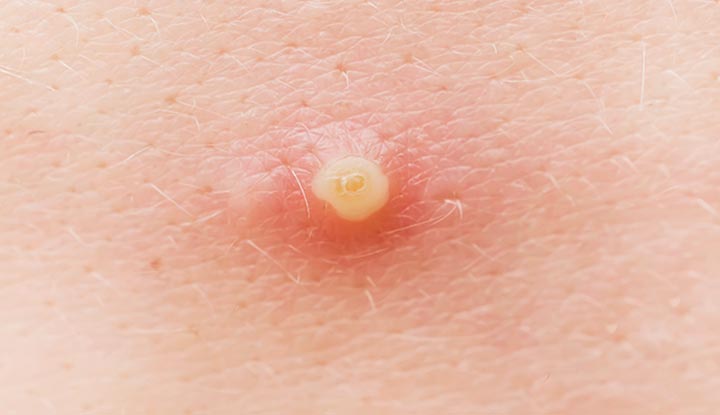
Small bumps with closed pores.
2. Blackheads

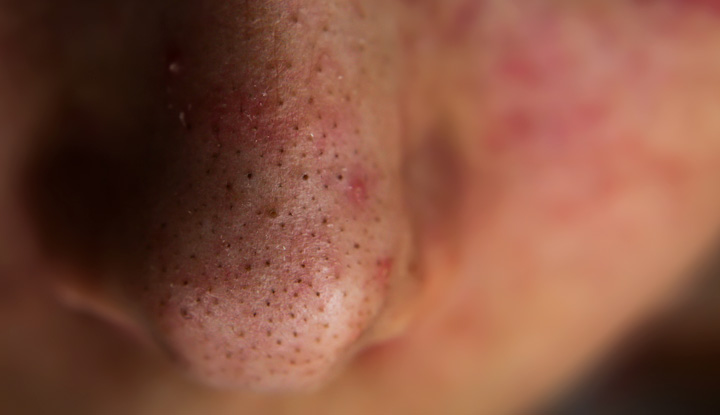
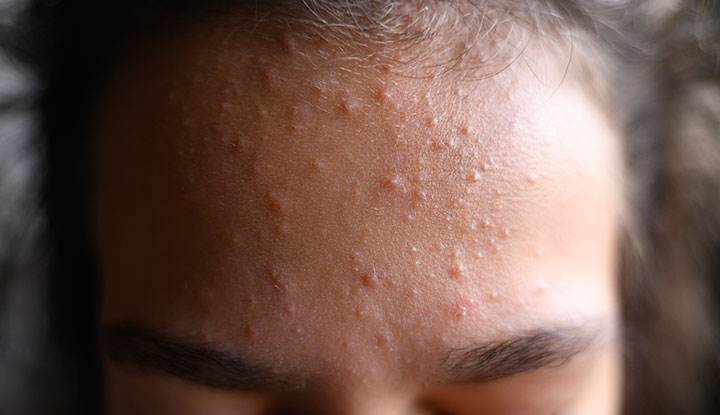
Open pores filled with oil and dead skin that turn black due to oxidation.
3. Papules and Pustules

Red, swollen pimples. Pustules contain pus.
4. Cystic Acne

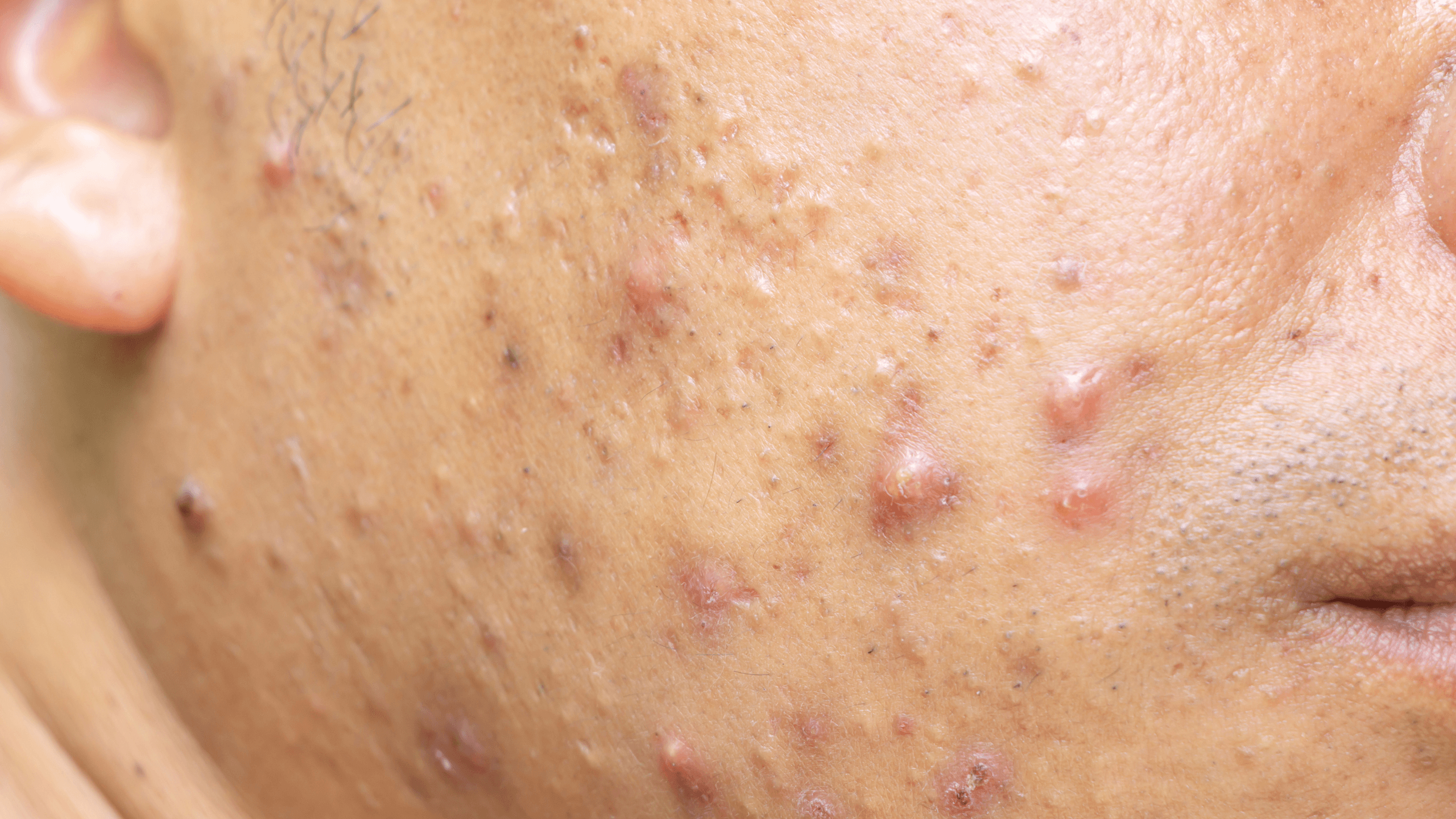


Large, painful pimples deep under the skin. These may cause scars.
How to Treat Pimples Effectively
Treatment depends on the severity of acne.
1. Daily Skincare Routine
✔ Wash Your Face Twice Daily
Use a gentle cleanser suitable for your skin type.
✔ Use Oil-Free Moisturizer
Even oily skin needs hydration. Choose non-comedogenic products.
✔ Apply Sunscreen
Sun exposure can worsen acne scars.
2. Natural Home Remedies
Natural remedies can help mild pimples.
✔ Aloe Vera
Aloe vera has anti-inflammatory properties and helps reduce redness.
✔ Tea Tree Oil
Tea tree oil has antibacterial effects. Always dilute before use.
✔ Honey
Raw honey has natural antibacterial benefits.
✔ Ice Therapy
Applying ice reduces swelling and inflammation.
Note: Always do a patch test before applying anything to your face.
3. Over-the-Counter Treatments
Many effective treatments are available without prescription:
✔ Benzoyl Peroxide
Kills acne-causing bacteria and reduces inflammation.
✔ Salicylic Acid
Unclogs pores and removes dead skin cells.
✔ Retinoids
Help prevent clogged pores and improve skin texture.
4. Medical Treatments
For severe acne, consult a dermatologist. Doctors may prescribe:
- Oral antibiotics
- Hormonal therapy
- Isotretinoin (for severe cases)
- Chemical peels
- Laser therapy
Always use medications under professional supervision.
How to Prevent Pimples
Prevention is better than cure. Follow these simple tips:
✔ Maintain Good Hygiene
- Wash pillow covers weekly
- Clean makeup brushes regularly
- Avoid sharing towels
✔ Follow a Balanced Diet
Eat:
- Fresh fruits
- Vegetables
- Whole grains
- Plenty of water
Reduce sugary and processed foods.
✔ Manage Stress
Stress increases hormone levels that trigger acne. Try:
- Exercise
- Deep breathing
- Proper sleep
✔ Avoid Touching Your Face
This prevents bacteria transfer.
Common Myths About Pimples
Myth 1: Pimples happen due to dirty skin.
Truth: Hormones and oil production are the main causes.
Myth 2: Only teenagers get pimples.
Truth: Adults can also develop acne.
Myth 3: Toothpaste cures pimples.
Truth: Toothpaste can irritate skin.
When Should You See a Doctor?
Consult a dermatologist if:
- Pimples are painful
- Acne leaves scars
- Over-the-counter treatments don’t work
- Acne affects your confidence
Early treatment prevents permanent scars.
Conclusion
Pimples appear mainly due to excess oil production, hormonal changes, clogged pores, and bacteria growth. While they are common, proper skincare, healthy habits, and the right treatment can control them effectively.
Mild pimples can be treated with natural remedies and over-the-counter products. Severe acne requires medical treatment. The key is consistency and patience.
Healthy skin takes time — do not expect overnight results. Follow a simple routine, eat healthy, manage stress, and avoid picking your skin.
Clear skin is possible with the right care and knowledge.
Frequently Asked Questions (FAQs)
1. Why do pimples appear suddenly?
Sudden pimples are usually caused by hormonal changes, stress, or clogged pores.
2. Can drinking water remove pimples?
Water helps maintain skin health but does not directly cure pimples.
3. How long does a pimple take to heal?
Most pimples heal within 3–7 days if not touched.
4. Is oily skin more prone to pimples?
Yes, oily skin has a higher risk due to excess sebum production.
5. Can I pop a pimple?
No. Popping can cause infection and scars.