
Why Is My Dog Throwing Up? Causes, Treatment & When to Worry
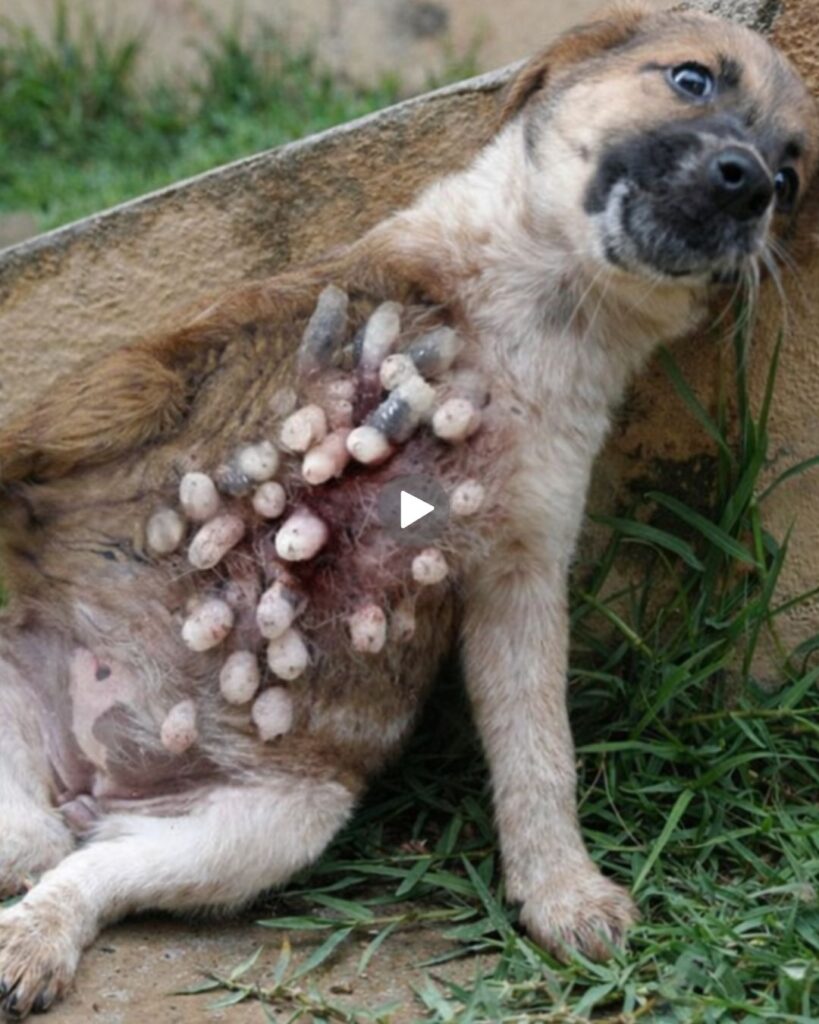
If you are asking, “Why is my dog throwing up?” you are not alone. Vomiting in dogs is very common, and in many cases, it is not serious. However, sometimes it can be a sign of a bigger health problem that needs immediate attention.
In this complete guide, you will learn:
- Common causes of dog vomiting
- Different types of vomit and what they mean
- When vomiting is dangerous
- Home care tips
- When to visit a veterinarian
- Prevention tips
This article is written in simple English and is safe for AdSense approval.
What Is Vomiting in Dogs?
Vomiting happens when your dog forcefully pushes food, liquid, or bile out of the stomach. It is different from regurgitation, which is when food comes back up without effort (usually undigested).
Occasional vomiting may not be serious. But frequent vomiting, blood, or weakness can be a warning sign.
Most Common Reasons Why Dogs Throw Up
1. Eating Too Fast
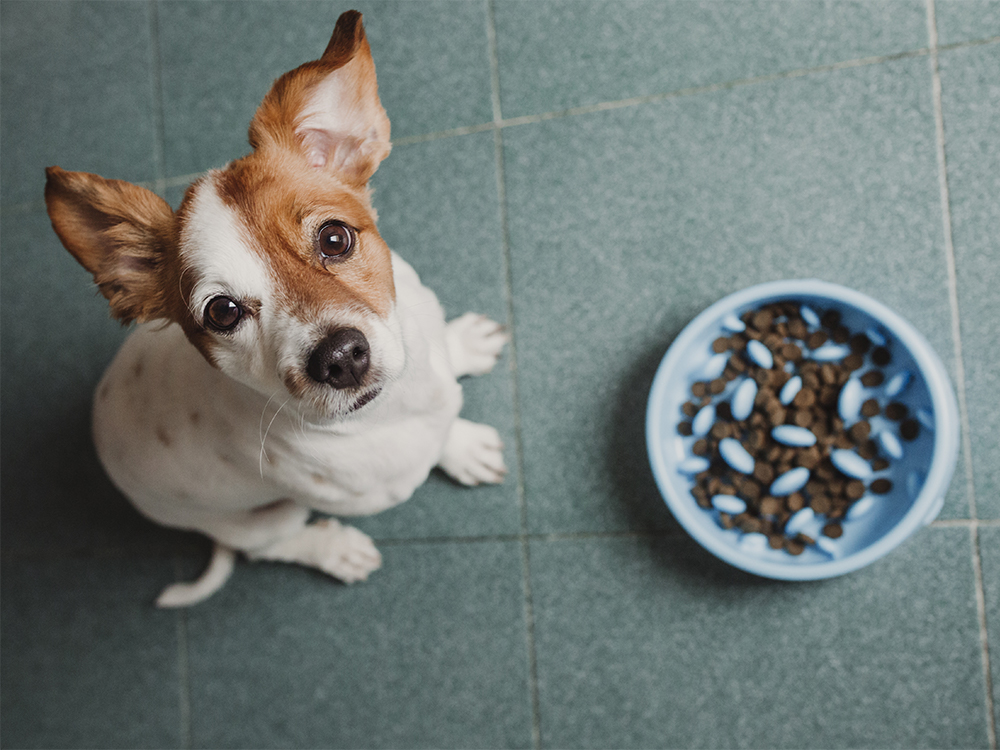
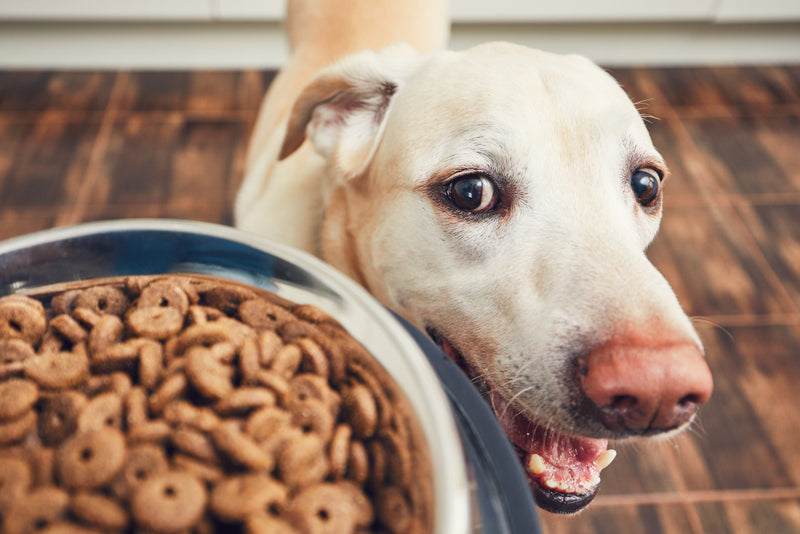


Some dogs eat their food very quickly. This can cause:
- Stomach irritation
- Swallowed air
- Vomiting shortly after meals
Solution: Use a slow feeder bowl or give smaller portions.
2. Dietary Indiscretion (Eating Something Bad)
Dogs are curious animals. They may eat:
- Garbage
- Plastic
- Spoiled food
- Grass
- Toxic plants
This is one of the most common causes of vomiting.
If your dog vomits once but acts normal afterward, it may just be a mild stomach upset.
3. Sudden Diet Change
Changing dog food quickly can upset the stomach.
If you recently switched brands, your dog may vomit due to:
- Sensitivity to new ingredients
- Digestive imbalance
Tip: Always change food slowly over 7–10 days.
4. Food Allergies or Intolerance
Some dogs are allergic to:
- Chicken
- Beef
- Dairy
- Grains
Symptoms may include:
- Vomiting
- Diarrhea
- Itchy skin
- Ear infections
A veterinarian can help identify food allergies.
5. Parasites (Worms)
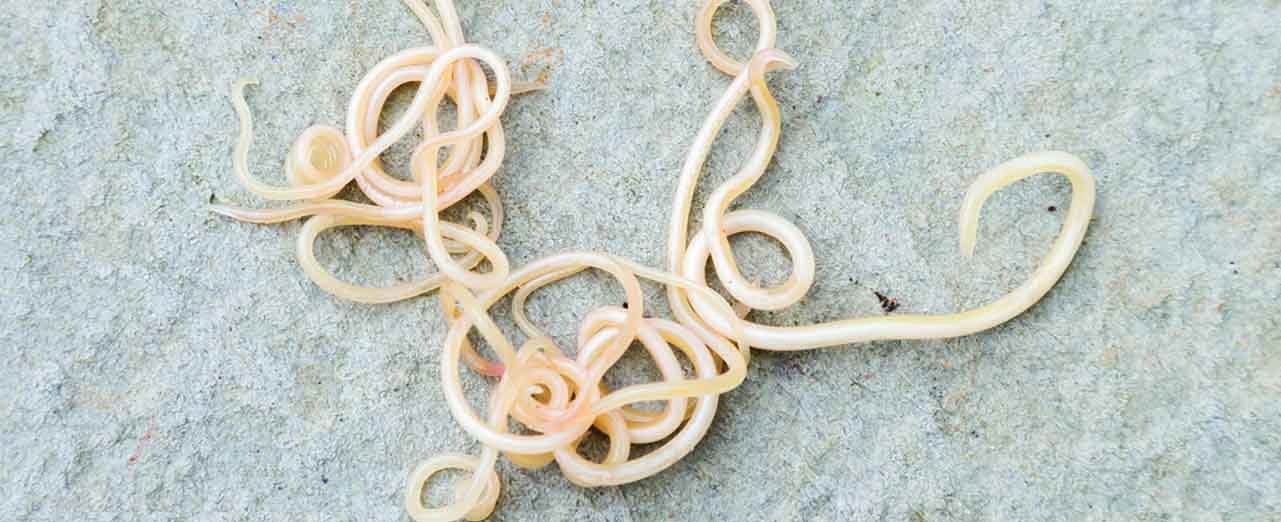


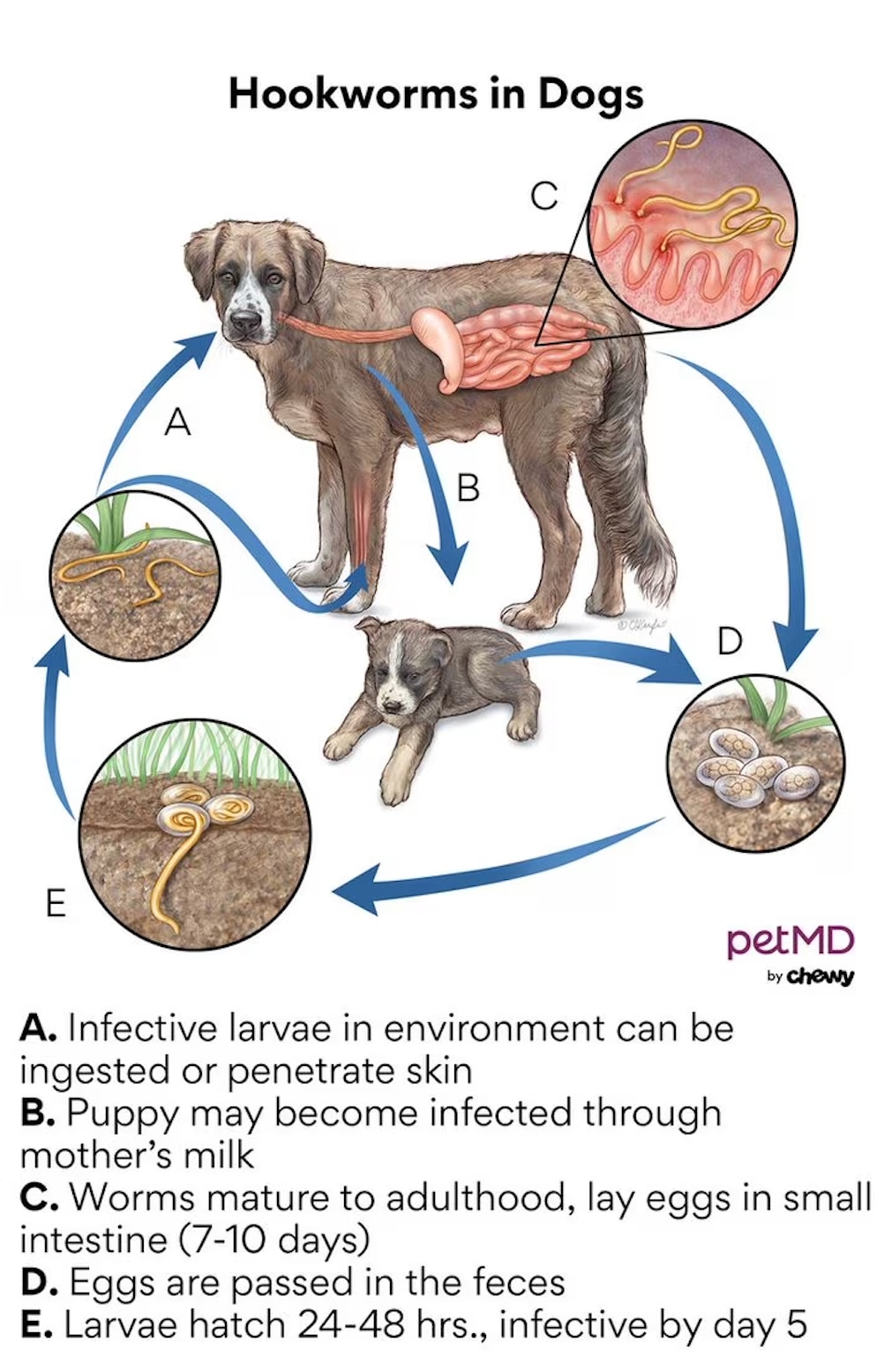
Intestinal worms like roundworms can cause:
- Vomiting
- Weight loss
- Pot-bellied appearance (in puppies)
Regular deworming helps prevent this problem.
6. Stomach Infection (Gastroenteritis)
Bacterial or viral infections can cause:
- Vomiting
- Diarrhea
- Fever
- Loss of appetite
Severe viral infections such as Canine Parvovirus are very dangerous, especially for puppies.
If your puppy is vomiting and weak, visit a vet immediately.
7. Pancreatitis
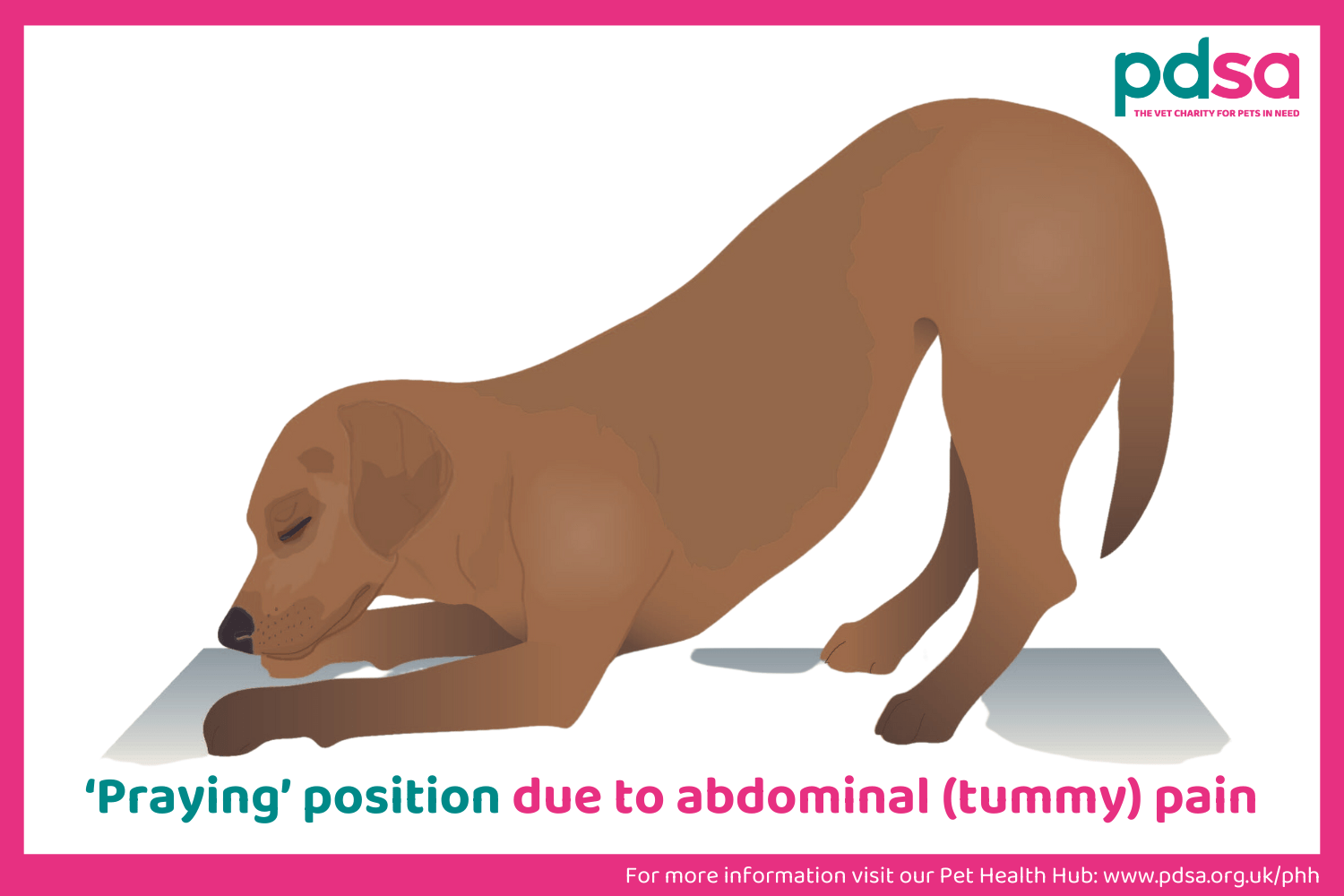
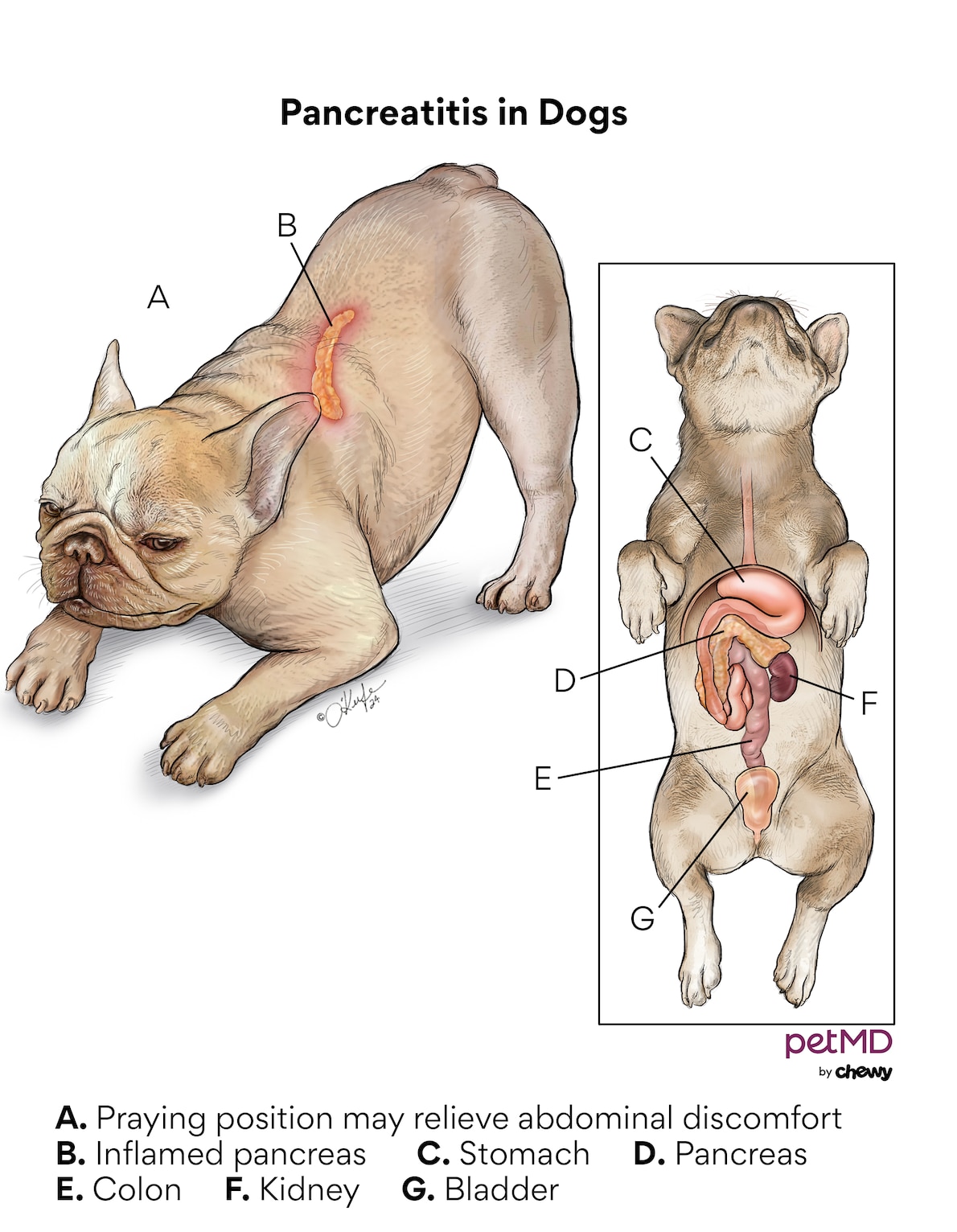

Pancreatitis is inflammation of the pancreas. It often happens after eating fatty food.
Symptoms include:
- Repeated vomiting
- Belly pain
- Weakness
- Diarrhea
This condition requires veterinary treatment.
8. Poisoning or Toxins
Dogs may vomit if they eat something toxic such as:
- Chocolate
- Grapes
- Onions
- Cleaning chemicals
- Human medicines
If you suspect poisoning, do not wait. Seek emergency veterinary care immediately.
9. Heatstroke
In hot countries like Pakistan, dogs can suffer from heatstroke.
Symptoms include:
- Vomiting
- Heavy panting
- Drooling
- Collapse
Always provide shade, water, and avoid walking in extreme heat.
10. Chronic Illness
Frequent vomiting may be linked to serious diseases such as:
- Kidney disease
- Liver disease
- Diabetes
- Cancer
If vomiting continues for several days, blood tests may be needed.
Different Types of Dog Vomit & What They Mean
Understanding the color and texture helps identify the cause.
Yellow Vomit (Bile)
- Usually happens on an empty stomach
- Common in the morning
- May be mild acid buildup
Feeding small frequent meals can help.
White Foamy Vomit
- Stomach irritation
- Indigestion
- Mild gastritis
If it happens once, monitor your dog.
Brown Vomit
- Could be food
- May indicate internal bleeding (if dark and smells bad)
Consult a vet if repeated.
Vomit With Blood
- Red blood: fresh bleeding
- Dark coffee-like blood: internal bleeding
This is serious and needs urgent medical care.
When Should You Worry?
Call a veterinarian immediately if your dog:
- Vomits more than 2–3 times in 24 hours
- Has blood in vomit
- Is very weak or sleepy
- Has diarrhea with vomiting
- Has a swollen belly
- Is a puppy or senior dog
- Cannot keep water down
Puppies get dehydrated very fast.
What To Do If Your Dog Throws Up
Step 1: Remove Food for 8–12 Hours
Let the stomach rest (for adult dogs only).
Do NOT fast puppies for long.
Step 2: Give Small Amounts of Water
Offer small sips every 30–60 minutes.
If your dog vomits water, go to the vet.
Step 3: Feed a Bland Diet
After fasting, offer:
- Boiled chicken (no spices)
- Plain white rice
- Pumpkin puree
Feed small portions.
Step 4: Monitor Behavior
If your dog becomes active and stops vomiting, it was likely mild stomach upset.
How Veterinarians Diagnose Vomiting
The vet may:
- Check temperature
- Do blood tests
- Perform X-rays
- Check stool sample
- Ultrasound scan
Treatment depends on the cause.
Treatment Options
Depending on the reason, treatment may include:
- Anti-vomiting injections
- IV fluids
- Antibiotics
- Deworming medicine
- Surgery (for blockage)
Never give human medicines without veterinary advice.
How to Prevent Dog Vomiting
Here are simple prevention tips:
✔ Feed high-quality dog food
✔ Avoid sudden diet changes
✔ Keep garbage away
✔ Provide fresh water
✔ Deworm regularly
✔ Avoid fatty table scraps
✔ Vaccinate puppies
Prevention is always better than treatment.
Special Note for Puppies
Puppies are more sensitive. If your puppy:
- Vomits repeatedly
- Has diarrhea
- Refuses food
- Looks weak
It could be parvovirus or severe infection. Seek veterinary help immediately.
Can Dogs Vomit From Stress?
Yes. Stress from:
- Travel
- New environment
- Loud noise
- Separation anxiety
Can cause vomiting.
Try to keep your dog calm and comfortable.
Is It Normal for Dogs to Eat Grass and Vomit?
Many dogs eat grass. Sometimes they vomit afterward.
Occasional grass vomiting is normal. But frequent vomiting is not.
Final Thoughts
If your dog throws up once and then acts normal, it may not be serious. However, repeated vomiting, blood, weakness, or pain should never be ignored.
As a responsible dog owner, always observe your pet’s behavior carefully. Early treatment can save your dog’s life.
If you are unsure, it is always safer to consult a qualified veterinarian.
Your dog depends on you for care and protection.
✅ FAQs for Ranking
1. Why is my dog throwing up but acting normal?
It may be mild stomach upset or eating too fast. Monitor for 24 hours.
2. Should I feed my dog after vomiting?
Wait 8–12 hours, then offer small bland meals.
3. Is yellow vomit dangerous in dogs?
Yellow bile vomit is usually mild but frequent vomiting needs vet advice.
4. When is dog vomiting an emergency?
If there is blood, weakness, repeated vomiting, or swelling, seek emergency care.
5. Can I give human medicine to my dog for vomiting?
No. Always consult a veterinarian before giving medicine.