
Why Is My Dog Eating Grass? Causes, Risks, and When to Worry
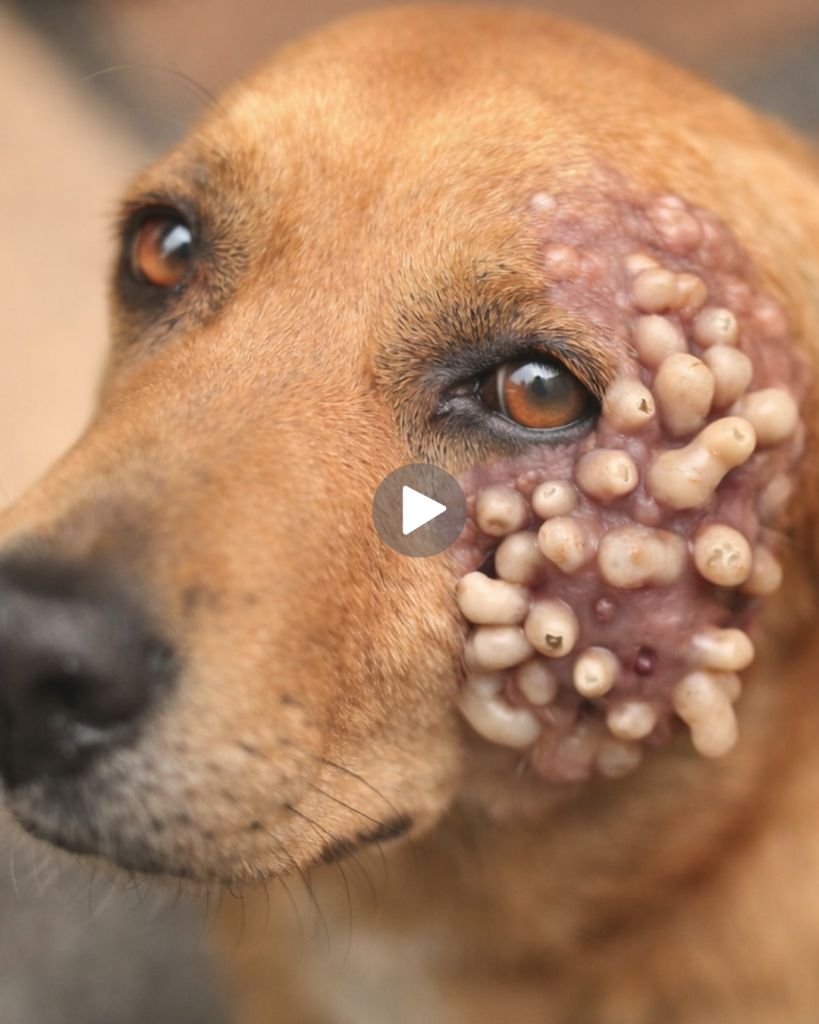
If you have ever taken your dog outside for a walk and noticed them suddenly start chewing on grass, you are not alone. Many dog owners wonder, “Why is my dog eating grass?” Is it normal behavior? Is your dog sick? Or is something missing in their diet?
The truth is that grass eating is very common among dogs. In most cases, it is harmless. However, sometimes it can signal an underlying issue. In this detailed guide, we will explore the reasons why dogs eat grass, whether it is dangerous, and what you should do as a responsible pet owner.
Is It Normal for Dogs to Eat Grass?
Yes, eating grass is considered a normal behavior for many dogs. Studies suggest that a large percentage of dogs occasionally eat grass, even when they are healthy and well-fed.
Dogs are natural scavengers. Their wild ancestors, such as wolves, consumed plant material found in the stomachs of prey animals. So, eating grass may be a natural instinct passed down over generations.
Common Reasons Why Dogs Eat Grass
1. Natural Instinct

Dogs are descendants of wolves. The wild ancestors of domestic dogs, like the Gray Wolf, often consumed plant matter indirectly when eating prey.
Although your pet dog eats commercial food, their natural instincts may still encourage them to chew grass occasionally.
Key Point: If your dog is active, happy, and eating normally, grass eating is usually not a serious concern.
2. Upset Stomach
One of the most common beliefs is that dogs eat grass to make themselves vomit when they feel sick.
Some dogs do vomit after eating grass. The rough texture of grass may irritate the stomach lining, triggering vomiting. However, research shows that many dogs eat grass without vomiting afterward.
So while stomach discomfort can be a reason, it is not always the main cause.
3. Dietary Deficiency
Dogs may eat grass if they are lacking certain nutrients, especially fiber.
Fiber helps with digestion and bowel movements. If your dog’s diet is low in fiber, they might instinctively look for plant-based materials like grass.
If you suspect a nutritional deficiency, consult your veterinarian about adjusting your dog’s diet.
4. Boredom or Attention-Seeking
Sometimes, the answer is simple: your dog is bored.
Dogs need mental stimulation and physical exercise. If they are not getting enough activity, they may start chewing grass just to entertain themselves.
If your dog looks at you while eating grass, they might even be seeking attention.
Solution:
- Increase daily walks
- Provide chew toys
- Play interactive games
5. Anxiety or Stress
Stress can lead to unusual behaviors in dogs. Changes in routine, new family members, loud noises, or moving to a new home may cause anxiety.
Grass chewing may act as a self-soothing behavior for stressed dogs.
Watch for other signs of anxiety such as:
- Excessive barking
- Pacing
- Destructive chewing
- Loss of appetite
6. They Simply Like the Taste
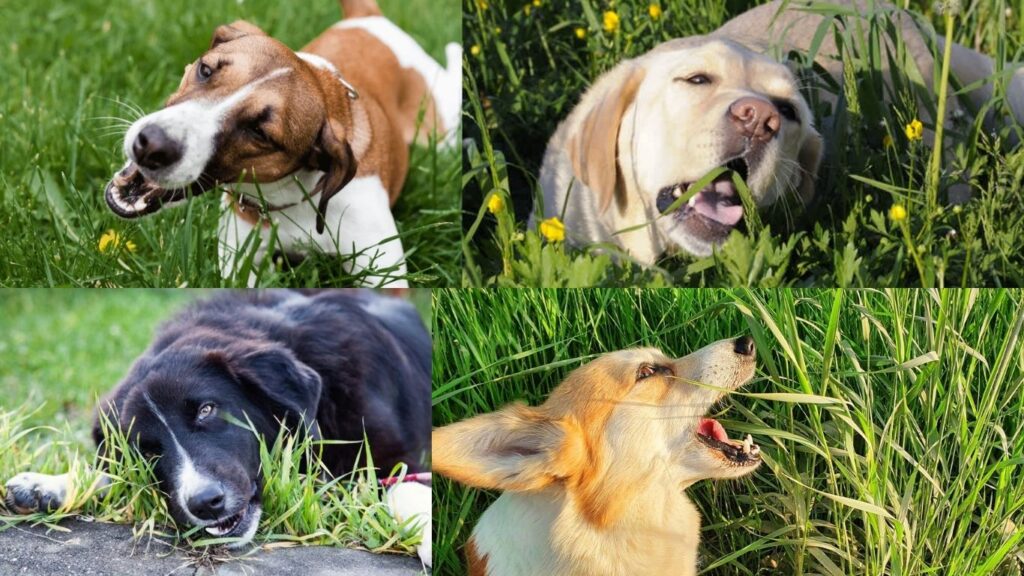
Sometimes the simplest explanation is the correct one — your dog likes the taste or texture of grass.
Fresh, moist grass can be appealing, especially in the morning. Some dogs seem to prefer newly grown grass during certain seasons.
If your dog eats grass occasionally and shows no signs of illness, it may just be a harmless habit.
Is Eating Grass Dangerous for Dogs?
In most cases, grass eating is not dangerous. However, there are some risks to consider.
1. Pesticides and Chemicals
Grass treated with pesticides, herbicides, or fertilizers can be harmful. These chemicals may cause:
- Vomiting
- Diarrhea
- Poisoning
- Long-term health issues
Always make sure your dog does not eat grass from unknown or chemically treated areas.
2. Intestinal Parasites
Grass can carry parasite eggs or larvae. Dogs that eat contaminated grass may develop intestinal parasites.
Regular deworming and vet checkups are important for prevention.
3. Choking Hazard
Long grass can sometimes get stuck in a dog’s throat. In rare cases, it may cause gagging or choking.
If your dog appears to struggle while swallowing grass, consult your vet immediately.
When Should You Worry?
While occasional grass eating is normal, you should consult a veterinarian if your dog shows:
- Frequent vomiting
- Blood in vomit or stool
- Loss of appetite
- Lethargy
- Persistent diarrhea
- Sudden behavior changes
If grass eating becomes excessive or obsessive, it could indicate a deeper health issue.
How to Stop Your Dog from Eating Grass
If you want to reduce or stop this behavior, here are practical steps:
1. Improve Diet Quality
Choose high-quality dog food with balanced nutrients and adequate fiber.
2. Increase Exercise
More physical activity reduces boredom-related behaviors.
3. Provide Mental Stimulation
Use puzzle toys and training exercises to keep your dog engaged.
4. Train a “Leave It” Command
Teaching your dog basic obedience can help control unwanted habits.
5. Regular Vet Checkups
Routine health checks can rule out medical problems.
Do Puppies Eat Grass?
Yes, puppies also eat grass. Young dogs explore the world using their mouths. Grass chewing may simply be curiosity.
However, puppies have sensitive stomachs, so monitor them closely and ensure the grass is chemical-free.
Myths About Dogs Eating Grass
Myth 1: Dogs Always Eat Grass Because They Are Sick
False. Many healthy dogs eat grass regularly.
Myth 2: Grass Eating Means Poor Diet
Not always. Even well-fed dogs may chew grass occasionally.
Myth 3: All Grass Eating Causes Vomiting
Only a small percentage of dogs vomit after eating grass.
Should You Let Your Dog Eat Grass?
If:
- Your dog is healthy
- Grass is chemical-free
- There is no vomiting or illness
Then occasional grass eating is generally safe.
However, always supervise your dog outdoors to prevent exposure to harmful substances.
Final Thoughts
So, why is your dog eating grass?
The reasons can vary from natural instinct and mild stomach upset to boredom or simply liking the taste. In most cases, grass eating is normal and not a cause for alarm.
As a responsible pet owner, your role is to observe your dog’s overall behavior and health. If grass eating is occasional and your dog is active, eating well, and playful, there is usually nothing to worry about.
But if you notice unusual symptoms or frequent vomiting, it is best to consult your veterinarian for proper evaluation.
Understanding your dog’s behavior helps you provide better care and ensure a happy, healthy life for your furry companion.
✅ FAQs Section (For Ranking & Featured Snippets)
1. Why is my dog eating grass but acting normal?
If your dog is eating grass but acting normal, it is usually a harmless natural behavior. Many dogs eat grass out of instinct, boredom, or simply because they like the taste. If there are no signs of vomiting, diarrhea, or lethargy, it is generally not a serious issue.
2. Do dogs eat grass when they are sick?
Some dogs may eat grass when they feel nauseous or have mild stomach discomfort. Grass can irritate the stomach lining and sometimes cause vomiting. However, not all dogs eat grass because they are sick.
3. Should I stop my dog from eating grass?
You do not always need to stop your dog from eating grass. However, make sure the grass is free from pesticides, chemicals, or fertilizers. If your dog eats excessive amounts or vomits frequently, consult your veterinarian.
4. Can eating grass cause health problems in dogs?
Eating untreated grass is usually safe. However, grass treated with chemicals can cause poisoning. Grass may also carry parasites. Always supervise your dog outdoors and maintain regular deworming.
5. Why does my dog eat grass and then throw up?
Some dogs eat grass to relieve stomach discomfort. The texture of grass may trigger vomiting, which can help them feel better. If vomiting happens frequently, it may indicate digestive problems and requires veterinary attention.
6. Is grass eating common in puppies?
Yes, puppies often eat grass out of curiosity. They explore the world using their mouths. As long as the puppy is healthy and the grass is chemical-free, occasional grass eating is usually normal.