
What to Do If You Have a Pimple Inside Your Nose: Causes, Treatment & Prevention Guide
Introduction
A pimple inside the nose can be surprisingly painful and uncomfortable. Unlike regular pimples on your face, these are more sensitive because the inside of your nose has delicate skin, blood vessels, and hair follicles. Even a small bump can cause irritation, swelling, and difficulty breathing.
Many people ignore it or try to pop it, which can lead to serious complications. In this article, you will learn what causes pimples inside the nose, how to treat them safely, and how to prevent them from coming back.
What Is a Pimple Inside the Nose?
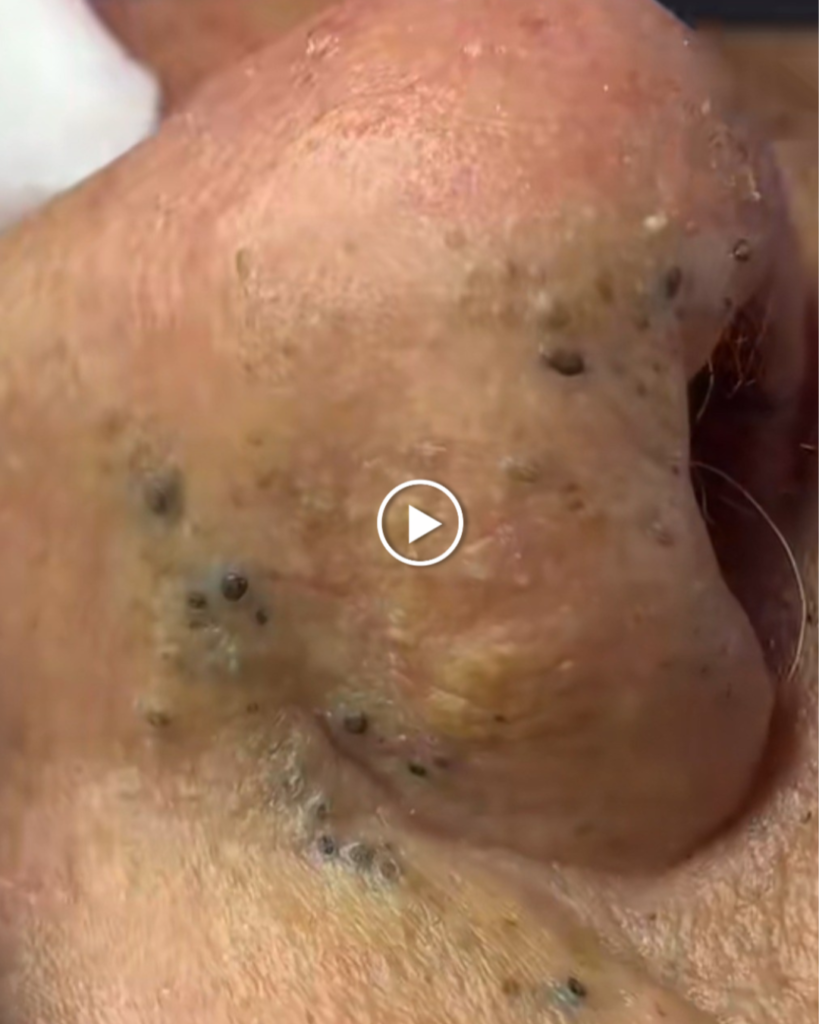
A pimple inside the nose is usually caused by a blocked or infected hair follicle. It may appear as a small red bump, sometimes filled with pus, and can be very tender to touch.
This condition is often referred to as:
- Nasal acne
- Nasal folliculitis
- Vestibulitis
In more serious cases, it can develop into a boil or infection that requires medical attention.
Causes of Pimples Inside the Nose
Understanding the cause helps in choosing the right treatment.
1. Bacterial Infection
The most common cause is bacteria entering the hair follicles inside the nose. This can happen when:
- You pick your nose
- You insert dirty fingers or objects
- You frequently touch your face
2. Ingrown Hair
Just like other parts of the body, nose hair can grow inward, causing inflammation and forming a pimple.
3. Excess Oil Production
Oil glands inside the nose can become clogged, especially in people with oily skin.
4. Poor Hygiene
Not cleaning your face or nose properly can lead to bacteria buildup.
5. Weak Immune System
If your body is weak or fighting another illness, infections can occur more easily.
6. Nose Piercing or Injury
Any trauma or piercing can introduce bacteria into the skin.
Symptoms of a Nose Pimple
You may experience:
- Pain or tenderness inside the nose
- Redness and swelling
- A visible bump or pus-filled spot
- Irritation while breathing
- Crusting around the area
In severe cases:
- Fever
- Increased swelling
- Spreading redness
Is It Dangerous?
Most nose pimples are harmless and go away on their own. However, the area around the nose is called the “danger triangle” of the face. This area has blood vessels that connect directly to the brain.
If an infection spreads, it can lead to serious complications (though rare), such as:
- Cellulitis
- Cavernous sinus thrombosis
That’s why you should never squeeze or pop a pimple inside your nose.
What to Do If You Have a Pimple in Your Nose
1. Do NOT Pop It
This is the most important rule.
Popping can:
- Push bacteria deeper
- Worsen infection
- Cause swelling and pain
Always let it heal naturally.
2. Apply a Warm Compress
A warm compress helps reduce pain and swelling.
How to use:
- Soak a clean cloth in warm water
- Gently apply to the nose (outside area)
- Do this 2–3 times daily
This helps the pimple drain naturally.
3. Use Antibiotic Ointment
Topical antibiotic creams can help kill bacteria.
Apply a small amount using a clean cotton swab. Do not insert deeply inside the nose.
4. Keep the Area Clean
Maintain hygiene to prevent further infection:
- Wash your face twice daily
- Avoid touching your nose
- Use clean tissues
5. Avoid Picking Your Nose
This is a major cause of infection.
If your nose feels itchy or dry, use a saline spray instead.
6. Try Natural Remedies
If you prefer home treatments, here are some safe options:
Tea Tree Oil (Diluted)
- Has antibacterial properties
- Mix with water before use
- Apply gently with cotton
Aloe Vera
- Soothes irritation
- Reduces inflammation
Turmeric Paste
- Natural antiseptic
- Apply a small amount carefully
7. Take Pain Relief if Needed
If the pain is severe, you can take over-the-counter pain relievers like:
- Paracetamol
Always follow recommended dosage.
When to See a Doctor
Seek medical help if:
- The pimple does not improve in 5–7 days
- Pain becomes severe
- Swelling spreads to your face
- You develop fever
- There is excessive pus
A doctor may prescribe:
- Oral antibiotics
- Strong topical medication
- Drainage if needed
How to Prevent Pimples Inside the Nose
Prevention is always better than treatment.
1. Maintain Good Hygiene
- Wash your hands regularly
- Avoid touching your nose
- Clean your face daily
2. Trim Nose Hair Carefully
Use clean scissors or trimmers.
Avoid:
- Plucking hair
- Using dirty tools
3. Stay Hydrated
Drinking enough water helps maintain healthy skin and prevents dryness.
4. Boost Your Immune System
Eat healthy foods like:
- Fruits
- Vegetables
- Nuts
A strong immune system fights infections better.
5. Use Clean Towels and Tissues
Never share personal items like towels or handkerchiefs.
6. Avoid Excessive Nose Picking
If you have a habit, try to control it. This is one of the biggest causes of nasal infections.
Common Mistakes to Avoid
Many people make these mistakes:
- Popping the pimple
- Using harsh chemicals inside the nose
- Ignoring infection signs
- Using dirty fingers
Avoiding these can prevent complications.
Home vs Medical Treatment: What’s Better?
| Condition | Treatment |
|---|---|
| Small pimple | Home remedies |
| Mild infection | Antibiotic ointment |
| Severe swelling | Doctor visit |
| Repeated pimples | Medical advice needed |
Frequently Asked Questions (FAQs)
1. Can a nose pimple go away on its own?
Yes, most nose pimples heal within a few days without treatment.
2. Is it okay to pop a nose pimple?
No. It can lead to serious infection and complications.
3. Why is my nose pimple so painful?
The nose has many sensitive nerves and blood vessels, making it more painful than regular pimples.
4. How long does it take to heal?
Usually 3–7 days if treated properly.
5. Can stress cause nose pimples?
Yes, stress can increase oil production and weaken immunity, leading to acne.
Conclusion
A pimple inside the nose may seem like a small problem, but it can cause significant discomfort if not treated properly. The key is to avoid touching or popping it, maintain hygiene, and use gentle treatments like warm compresses and mild antibiotics.
If the condition worsens or does not improve, seeking medical advice is important to prevent complications.
Taking simple preventive steps like keeping your hands clean, avoiding nose picking, and maintaining overall health can help you avoid this problem in the future.