
How to Remove Acne at Home Naturally
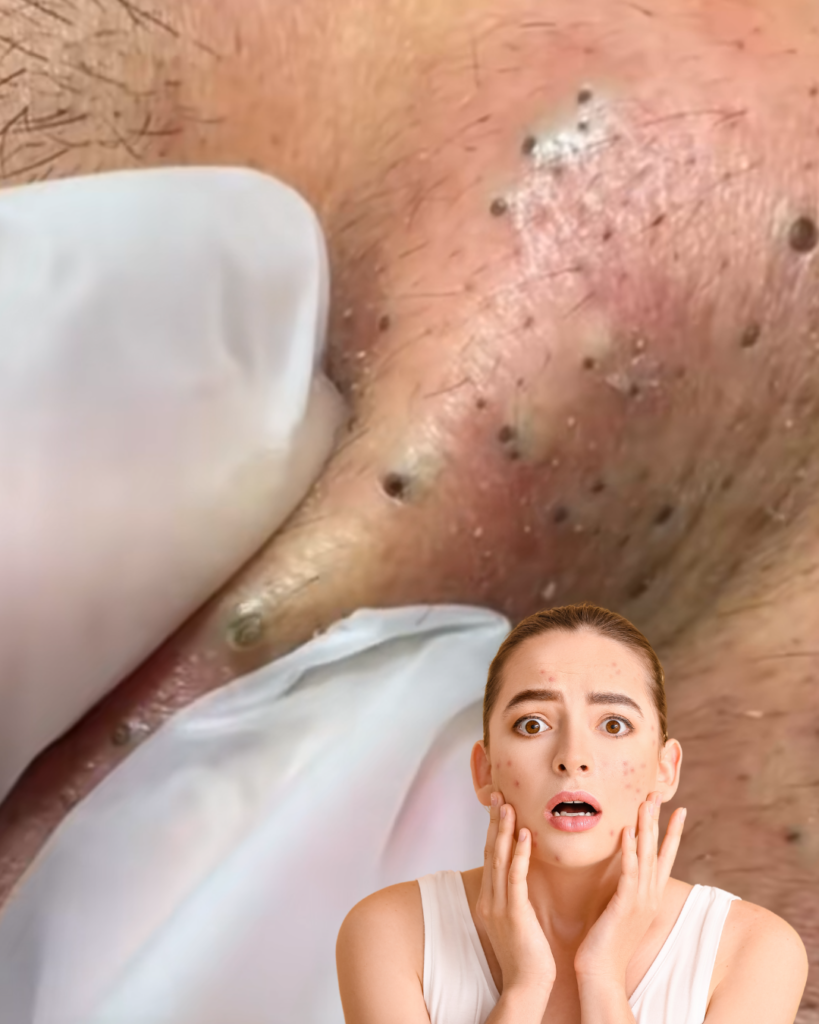
Acne is one of the most common skin problems in the world. It affects teenagers and adults alike. Many people feel uncomfortable or lose confidence when acne appears on their face. The good news is that mild acne can often be treated at home using natural remedies and a proper skincare routine.
In this article, you will learn what causes acne, how to remove acne at home, and how to prevent it from coming back.
What Is Acne?
Acne is a skin condition that occurs when hair follicles become clogged with oil and dead skin cells. It usually appears on the face, forehead, chest, back, and shoulders.
Common types of acne include:
- Whiteheads
- Blackheads
- Pimples
- Papules
- Cystic acne
Acne can be painful, red, swollen, and sometimes filled with pus. It can also leave scars if not treated properly.
Common Causes of Acne
Understanding the causes of acne is the first step to treating it effectively.
1. Excess Oil Production
Your skin naturally produces oil called sebum. When too much oil is produced, it can clog pores and cause acne.
2. Hormonal Changes
Hormonal changes during puberty, pregnancy, or stress can increase oil production and cause breakouts.
3. Bacteria
Bacteria can grow inside clogged pores and lead to inflammation and pimples.
4. Poor Skincare Routine
Not washing your face properly or using harsh products can irritate the skin and cause acne.
5. Unhealthy Diet
Eating too much sugar, fried food, or dairy products may worsen acne for some people.
6. Stress
Stress can trigger hormones that increase oil production, leading to acne breakouts.
10 Natural Ways to Remove Acne at Home
Here are some effective home remedies that may help reduce acne naturally.
1. Wash Your Face Twice a Day
Keeping your face clean is the most important step in preventing acne.
Use a gentle face wash and wash your face:
- In the morning
- Before going to bed
Avoid washing too often because it can dry out your skin and increase oil production.
2. Use Aloe Vera
Aloe vera is known for its soothing and healing properties. It can reduce inflammation and redness caused by acne.
How to use:
- Extract fresh aloe vera gel from the leaf.
- Apply it directly to the acne area.
- Leave it for 20–30 minutes.
- Wash with lukewarm water.
Use daily for best results.
3. Apply Honey
Honey has natural antibacterial properties that help fight acne-causing bacteria.
How to use:
- Apply a small amount of raw honey to the acne.
- Leave it on the skin for 20 minutes.
- Rinse with warm water.
This remedy can help reduce swelling and redness.
4. Use Tea Tree Oil
Tea tree oil is one of the most popular natural acne treatments.
It helps kill bacteria and reduce inflammation.
How to use:
- Mix 1 drop tea tree oil with 9 drops water.
- Dip a cotton swab in the mixture.
- Apply gently to pimples.
Use once daily to avoid irritation.
5. Ice Treatment
Ice can quickly reduce redness and swelling of pimples.
How to use:
- Wrap an ice cube in a clean cloth.
- Apply it to the pimple for 1–2 minutes.
- Repeat a few times daily.
Ice helps reduce inflammation and shrink pores.
6. Use Apple Cider Vinegar
Apple cider vinegar contains organic acids that can kill acne-causing bacteria.
How to use:
- Mix 1 part apple cider vinegar with 3 parts water.
- Apply using a cotton ball.
- Leave for 10 minutes and rinse.
Do not use too often because it may irritate the skin.
7. Turmeric Face Mask
Turmeric has powerful anti-inflammatory and antibacterial properties.
How to make a turmeric mask:
Ingredients:
- 1 teaspoon turmeric powder
- 1 tablespoon honey or yogurt
Steps:
- Mix the ingredients into a paste.
- Apply to the face.
- Leave for 15 minutes.
- Wash with lukewarm water.
Use 2–3 times per week.
8. Green Tea for Acne
Green tea contains antioxidants that help reduce inflammation and oil production.
How to use:
- Brew green tea and let it cool.
- Apply it to your face using a cotton pad.
- Leave it on the skin or rinse after 10 minutes.
This can help calm irritated skin.
9. Avoid Touching Your Face
Touching your face frequently spreads bacteria and dirt.
This can clog pores and worsen acne.
Try to:
- Avoid popping pimples
- Keep hands away from your face
- Wash hands regularly
10. Drink More Water
Hydration is essential for healthy skin.
Drinking enough water helps:
- Remove toxins
- Keep skin hydrated
- Improve overall skin health
Aim for at least 8 glasses of water per day.
Daily Skincare Routine for Acne
A proper skincare routine can prevent future breakouts.
Morning Routine
- Wash your face with a gentle cleanser.
- Apply a light moisturizer.
- Use sunscreen if going outside.
Night Routine
- Remove dirt and oil with a face wash.
- Apply aloe vera or acne treatment.
- Use a non-comedogenic moisturizer.
Foods That Help Reduce Acne
Healthy food choices can improve skin health.
Eat more:
- Fruits and vegetables
- Nuts and seeds
- Whole grains
- Fish rich in omega-3 fatty acids
Avoid:
- Sugary foods
- Junk food
- Excess dairy
- Greasy foods
A balanced diet can support clear skin.
When to See a Doctor
Home remedies work well for mild acne. However, you should consult a doctor if:
- Acne is severe or painful
- Acne leaves scars
- Pimples keep coming back
- Over-the-counter treatments do not help
A dermatologist can recommend stronger treatments if needed.
Tips to Prevent Acne
Follow these simple tips to prevent acne in the future:
- Wash pillowcases regularly
- Clean makeup brushes
- Use oil-free skincare products
- Avoid heavy makeup
- Maintain a healthy diet
- Manage stress levels
Consistency is key to maintaining clear skin.
Conclusion
Acne is a common skin problem, but it can often be managed with simple home remedies and good skincare habits. Natural ingredients such as aloe vera, honey, turmeric, and tea tree oil can help reduce acne and improve skin health.
In addition, maintaining a healthy lifestyle, drinking enough water, and following a proper skincare routine can prevent future breakouts.
Remember that patience is important. Natural treatments take time, but with consistency, you can achieve clearer and healthier skin.