
Red Pimples on Face: Causes, Treatment, and Prevention Guide
Red pimples on the face are one of the most common skin problems affecting teenagers and adults alike. They can appear suddenly, feel painful, and sometimes leave marks behind. Many people feel stressed or lose confidence because of visible facial pimples.
If you are wondering why red pimples appear on the face and what to do about them, this complete guide will help you understand the causes, treatments, and prevention tips in detail.
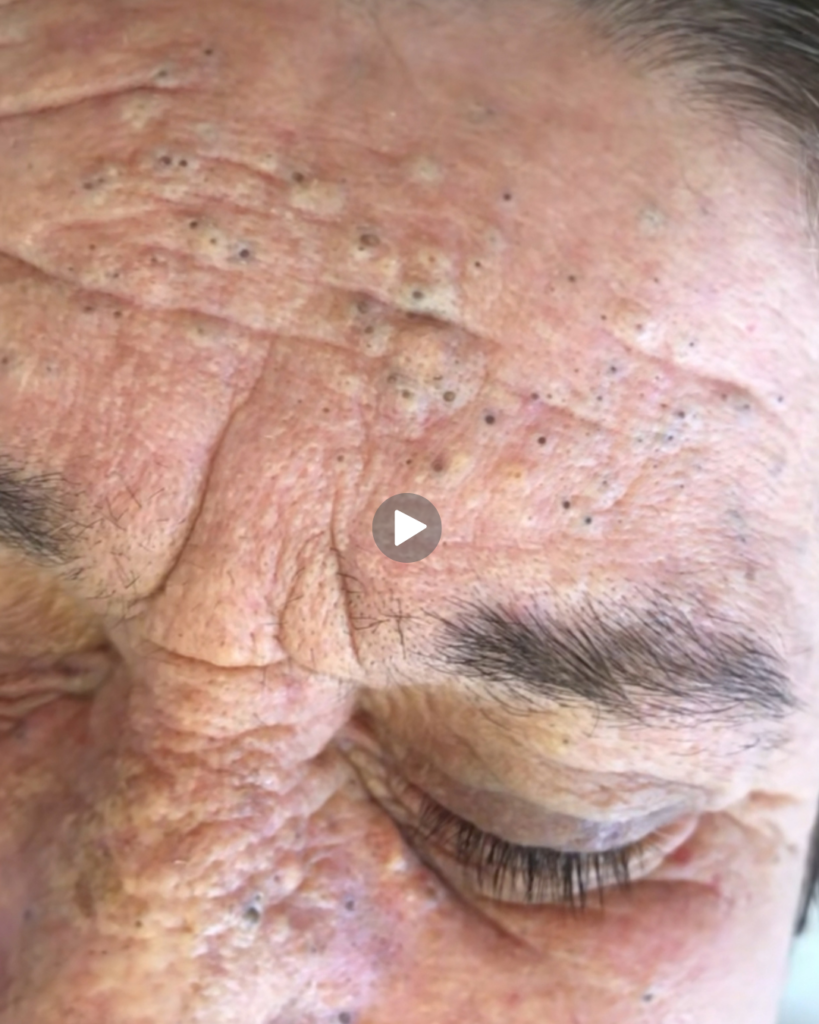
What Are Red Pimples?
Red pimples are inflamed bumps on the skin that usually develop due to clogged pores, bacterial growth, excess oil production, or hormonal changes. They often look swollen, reddish, and sometimes contain pus.
These pimples are commonly linked to acne, but not all red bumps are the same. Some may be mild irritation, while others can be more severe inflammatory acne.
Main Causes of Red Pimples on Face
Understanding the cause is the first step toward effective treatment.
1. Excess Oil Production
Our skin produces natural oil called sebum. When too much oil is produced, it mixes with dead skin cells and blocks pores. This creates the perfect environment for bacteria to grow, leading to red, swollen pimples.
People with oily skin are more likely to experience this problem.
2. Hormonal Changes
Hormonal imbalance is a major reason for red pimples, especially:
- During puberty
- Before menstruation
- During pregnancy
- Due to stress
- Polycystic Ovary Syndrome (PCOS)
Hormones increase oil production, which leads to breakouts.
3. Bacterial Infection
A bacteria called Propionibacterium acnes (now known as Cutibacterium acnes) lives naturally on the skin. When pores become clogged, this bacteria multiplies, causing inflammation and redness.
4. Poor Skincare Routine
- Not washing face properly
- Using harsh soaps
- Sleeping with makeup on
- Over-exfoliating
All these can irritate skin and cause red pimples.
5. Unhealthy Diet
Some studies suggest that high sugar foods, junk food, and dairy products may worsen acne in certain individuals.
Foods that may trigger pimples:
- Fried food
- Chocolate (in some cases)
- Sugary drinks
- Fast food
6. Stress
Stress increases cortisol hormone levels, which can stimulate oil glands and lead to acne breakouts.
7. Allergic Reaction or Skin Irritation
Sometimes red pimples are not acne but allergic reactions caused by:
- New skincare products
- Harsh creams
- Polluted environment
- Sweating
Types of Red Pimples
Not all red pimples are the same. Here are common types:
1. Papules
Small red, tender bumps without pus.
2. Pustules
Red bumps filled with white or yellow pus.
3. Cystic Acne
Large, painful, deep pimples under the skin.
4. Nodules
Hard, painful lumps beneath the skin surface.
What to Do for Red Pimples on Face
Now let’s discuss the most important part — treatment and care.
1. Gentle Face Washing Routine
Wash your face twice daily using a mild cleanser.
Avoid:
- Scrubbing too hard
- Washing face more than 3 times daily
- Using strong soap
Choose a cleanser containing:
- Salicylic acid
- Benzoyl peroxide
- Niacinamide
2. Do Not Pop Pimples
Popping pimples may:
- Increase infection
- Cause more redness
- Leave scars
- Spread bacteria
Always let pimples heal naturally.
3. Apply Spot Treatments
Use over-the-counter treatments like:
- Benzoyl peroxide cream
- Salicylic acid gel
- Tea tree oil (diluted)
Apply only on affected areas.
4. Use Ice for Swelling
If pimple is painful and swollen:
- Wrap ice in cloth
- Apply for 1–2 minutes
- Repeat twice daily
Ice helps reduce redness and inflammation.
5. Keep Skin Moisturized
Even oily skin needs moisturizer. Choose:
- Oil-free
- Non-comedogenic
- Light gel-based moisturizer
Dry skin can trigger more oil production.
6. Maintain Healthy Diet
Add in your diet:
- Fresh fruits
- Vegetables
- Water (8–10 glasses daily)
- Green tea
Reduce:
- Sugar
- Fried foods
- Excess dairy
7. Change Pillowcases Regularly
Dirty pillowcases collect:
- Oil
- Sweat
- Bacteria
Change pillow covers at least 2 times per week.
8. Avoid Touching Face
Hands carry bacteria. Frequently touching your face can cause breakouts.
9. Manage Stress
Practice:
- Exercise
- Walking
- Deep breathing
- Proper sleep (7–8 hours daily)
Natural Remedies for Red Pimples
If you prefer home remedies, here are some safe options:
1. Aloe Vera
Reduces inflammation and soothes skin.
2. Honey
Has antibacterial properties.
3. Turmeric Paste
Helps reduce redness and infection.
4. Rose Water
Soothes irritated skin.
Always do a patch test before applying anything new.
When to See a Dermatologist
Consult a skin specialist if:
- Pimples are very painful
- Acne is severe or cystic
- Pimples leave dark spots
- Home treatment is not working
- Acne affects confidence badly
A doctor may prescribe:
- Antibiotics
- Retinoid creams
- Hormonal treatment
- Chemical peels
How to Prevent Red Pimples
Prevention is always better than cure.
Daily Prevention Tips:
✔ Wash face gently twice daily
✔ Use sunscreen daily
✔ Remove makeup before sleep
✔ Drink enough water
✔ Avoid heavy oily creams
✔ Use clean towels
✔ Eat balanced diet
Common Myths About Red Pimples
Myth 1: Only teenagers get pimples
Truth: Adults can also get acne.
Myth 2: Sunlight cures pimples
Truth: Too much sun can worsen inflammation.
Myth 3: Toothpaste removes pimples
Truth: It can irritate skin and make it worse.
Do Red Pimples Leave Scars?
Yes, especially if:
- You squeeze them
- They are cystic
- You delay treatment
Early care reduces risk of acne scars.
Conclusion
Red pimples on the face are common but manageable. They usually occur due to excess oil, hormonal imbalance, bacteria, stress, or poor skincare habits. The key to controlling red pimples is:
- Gentle skincare
- Healthy lifestyle
- Avoiding harsh products
- Patience and consistency
If acne becomes severe or painful, consult a dermatologist for proper treatment.
With the right care, your skin can become clearer and healthier over time.
✅ FAQ
1. Why do red pimples appear on the face?
Red pimples usually appear due to excess oil production, clogged pores, bacteria, hormonal changes, stress, or poor skincare habits.
2. How can I remove red pimples quickly?
You can reduce red pimples by using salicylic acid, benzoyl peroxide, ice therapy, and maintaining a gentle skincare routine. Avoid popping pimples to prevent scars.
3. Are red pimples different from whiteheads?
Yes. Red pimples are inflamed and may be painful, while whiteheads are small closed pores filled with oil and dead skin cells.
4. Can stress cause red pimples?
Yes. Stress increases hormone levels that stimulate oil glands, which can lead to acne breakouts.
5. Do red pimples go away naturally?
Mild red pimples can heal naturally within a few days if properly cared for. Severe acne may require medical treatment.
6. When should I see a dermatologist for red pimples?
You should consult a dermatologist if pimples are painful, cystic, leaving scars, or not improving with home treatment.