
Poor Dog Who Cannot Walk: A Story of Care, Hope, and Recovery
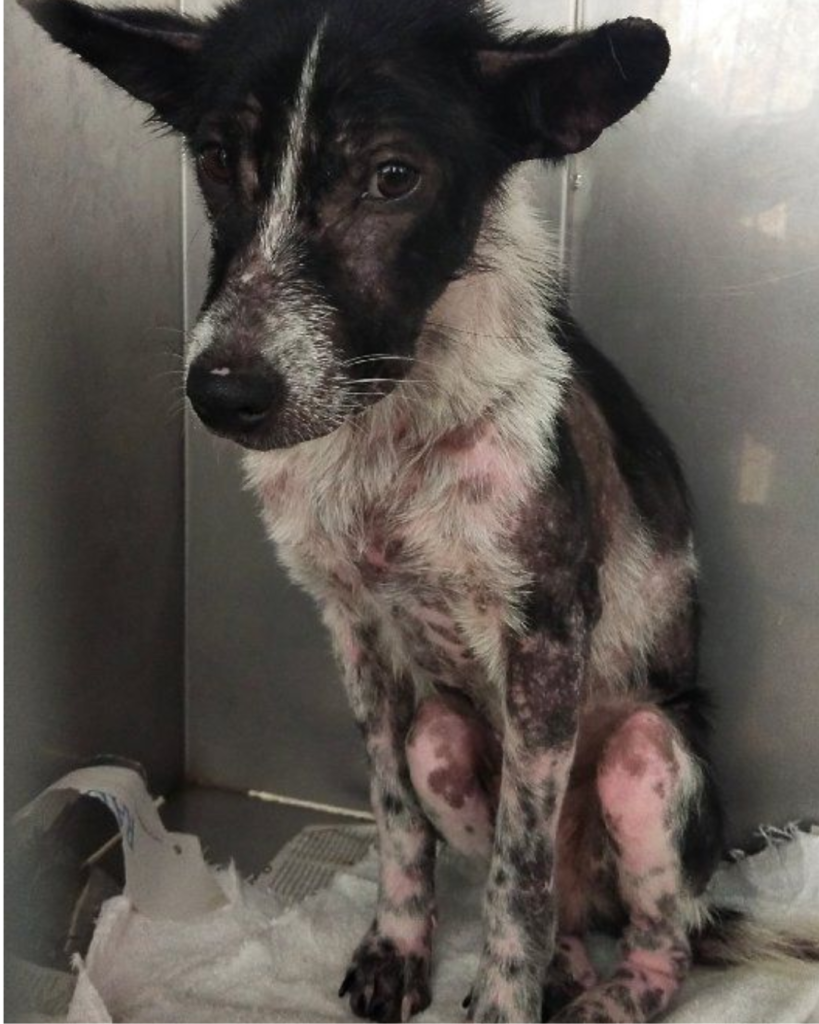
Dogs are known as loyal companions and loving members of many families. They bring joy, protection, and unconditional love into our lives. However, sometimes dogs face serious health problems. One heartbreaking situation is when a poor dog cannot walk. Seeing a dog unable to move its legs can be emotional and stressful for any animal lover.
A dog that suddenly loses the ability to walk may be suffering from injury, illness, or a neurological problem. While the situation may look hopeless at first, many dogs can recover with proper treatment, care, and patience.
In this article, we will explore the causes, treatments, and care tips for dogs that cannot walk, along with ways you can help them live a happy life.
Why Some Dogs Cannot Walk
There are many reasons why a dog may suddenly or gradually lose the ability to walk. Understanding the cause is the first step toward helping the animal.
1. Injury or Accident
One of the most common reasons is a road accident or fall. If a dog is hit by a car, falls from a height, or suffers a strong impact, it can damage the spine or legs.
These injuries may lead to:
- Broken bones
- Spinal cord damage
- Muscle injuries
- Nerve damage
In some cases, the dog may recover with medical treatment and rest. In severe cases, paralysis can occur.
2. Spinal Cord Problems
Spinal injuries are a major reason dogs cannot walk. The spinal cord connects the brain to the body and controls movement.
If the spine becomes damaged due to injury, infection, or disease, the dog may lose control of its legs.
Common spinal problems include:
- Herniated discs
- Degenerative disc disease
- Spinal trauma
- Nerve compression
These conditions can cause weakness, pain, or full paralysis in the back legs.
3. Tick Paralysis
Sometimes a dog may suddenly stop walking because of tick paralysis. Certain ticks release toxins that affect the dog’s nervous system.
Symptoms include:
- Weakness in legs
- Difficulty walking
- Loss of coordination
- Paralysis
The good news is that if ticks are removed quickly, many dogs recover completely.
4. Neurological Diseases
Diseases affecting the brain or nerves can also cause mobility problems.
Examples include:
- Distemper virus
- Nerve infections
- Brain injuries
- Degenerative nerve diseases
These conditions require immediate veterinary care.
5. Old Age and Arthritis
Older dogs may struggle to walk due to joint pain and arthritis.
As dogs age:
- Their joints become stiff
- Muscles weaken
- Movement becomes painful
Although old age cannot be reversed, proper care can greatly improve a dog’s comfort and mobility.
Signs That a Dog Cannot Walk Properly
Some dogs do not suddenly become paralyzed. Instead, they show warning signs before losing mobility.
Common symptoms include:
- Dragging back legs
- Difficulty standing
- Weak or shaking legs
- Crying or showing pain when moving
- Loss of balance
- Refusing to walk
If you notice these symptoms, it is important to seek help quickly.
What To Do If Your Dog Cannot Walk
If you see a dog unable to walk, do not panic. Quick and careful action can make a big difference.
1. Stay Calm and Protect the Dog
The first step is to keep the dog calm. Sudden movement may worsen injuries.
Place the dog on a flat surface and avoid moving the spine too much.
2. Contact a Veterinarian
A professional vet can examine the dog and identify the exact cause of the problem.
They may use:
- X-rays
- Blood tests
- Neurological exams
- MRI or CT scans
Proper diagnosis helps determine the best treatment.
3. Provide Immediate Comfort
While waiting for help, you can support the dog by:
- Keeping it warm
- Offering clean water
- Avoiding unnecessary movement
- Keeping the environment quiet
Stress can make the situation worse.
Treatment Options for Dogs Who Cannot Walk
Treatment depends on the cause of the condition.
Medication
Doctors may prescribe medications such as:
- Pain relievers
- Anti-inflammatory drugs
- Antibiotics
- Nerve support medicines
These help reduce pain and inflammation.
Surgery
If the spine or bones are severely damaged, surgery may be required.
Surgery can:
- Repair broken bones
- Remove pressure from nerves
- Stabilize the spine
Many dogs regain partial or full mobility after surgery.
Physical Therapy
Rehabilitation is extremely helpful for recovery.
Therapies include:
- Massage therapy
- Hydrotherapy (water therapy)
- Gentle exercises
- Muscle stimulation
Physical therapy strengthens muscles and improves movement.
Caring for a Dog That Cannot Walk
Even if a dog cannot walk permanently, it can still live a happy life with proper care.
1. Provide a Comfortable Bed
A soft and supportive bed helps prevent sores and keeps the dog comfortable.
Memory foam beds are especially helpful.
2. Help With Mobility
You can assist your dog using:
- Dog wheelchairs
- Support harnesses
- Slings for walking assistance
These tools allow dogs to move around safely.
3. Maintain Hygiene
Dogs that cannot walk may struggle with bathroom needs.
Owners should:
- Keep the dog clean
- Change bedding regularly
- Check for skin infections
Proper hygiene prevents additional health problems.
4. Provide Emotional Support
Dogs may feel confused or sad when they lose mobility.
Show them love by:
- Talking gently
- Spending time with them
- Playing simple games
- Offering affection
Emotional care is just as important as medical treatment.
Inspiring Stories of Recovery
Many dogs that once could not walk have made amazing recoveries.
With the help of vets, therapy, and loving owners, dogs have learned to:
- Walk again after surgery
- Use wheelchairs to run and play
- Adapt to new ways of living
These stories remind us that hope is never lost.
How You Can Help Stray Dogs That Cannot Walk
Sadly, many street dogs suffer from injuries and paralysis without anyone to help them.
You can make a difference by:
- Calling animal rescue organizations
- Taking the dog to a veterinary clinic
- Providing food and water
- Sharing the situation online for help
Even small acts of kindness can save a life.
Preventing Mobility Problems in Dogs
Prevention is always better than treatment.
Dog owners can protect their pets by:
- Regular veterinary checkups
- Proper nutrition
- Preventing tick infestations
- Avoiding dangerous areas like busy roads
- Keeping dogs at a healthy weight
Healthy habits help dogs stay active and strong.
Conclusion
A poor dog who cannot walk is a heartbreaking sight, but it does not mean the end of a happy life. With proper care, medical treatment, and love, many dogs can recover or adapt to their condition.
Dogs depend on humans for protection and compassion. When we help injured or disabled animals, we show the true meaning of kindness.
Whether it is your own pet or a stray dog in need, taking action can give that animal a second chance at life. Every dog deserves care, dignity, and the opportunity to feel safe and loved.