
If your dog’s coat looks dull, thin, rough, or patchy, you might be dealing with poor dog hair health. A shiny and soft coat is usually a sign of a healthy dog, while dry, brittle, or falling hair can indicate underlying problems. In this complete guide, we will explain the causes of poor dog hair, treatment options, prevention tips, and how to restore your dog’s coat naturally.
Introduction
A dog’s coat is more than just appearance. It protects the skin, regulates temperature, and reflects overall health. When a dog develops poor hair quality—such as dryness, thinning, excessive shedding, or bald patches—it can signal nutritional deficiencies, allergies, parasites, or medical conditions.
Understanding the root cause is the first step toward proper treatment.
Signs of Poor Dog Hair
Before treating the issue, you must recognize the symptoms. Common signs include:
- Dry and brittle hair
- Excessive shedding
- Bald patches
- Dull coat without shine
- Itchy skin
- Redness or inflammation
- Flaky skin (dandruff)
- Slow hair regrowth
If these symptoms persist for weeks, it’s important to investigate further.
Main Causes of Poor Dog Hair
1. Poor Nutrition
One of the biggest reasons for poor dog hair is low-quality diet. Dogs need:
- Protein
- Omega-3 fatty acids
- Omega-6 fatty acids
- Vitamins (A, E, Biotin)
- Zinc
Without proper nutrients, hair becomes weak and falls out easily.
Solution:
Switch to high-quality dog food rich in protein and healthy fats. Adding fish oil supplements can improve coat shine.
2. Allergies
Dogs can suffer from:
- Food allergies
- Environmental allergies (dust, pollen)
- Flea allergies
Allergies cause itching, scratching, and hair loss.
Common Trigger:
Flea bites are a very common cause of hair loss near the tail and back.
3. Parasites

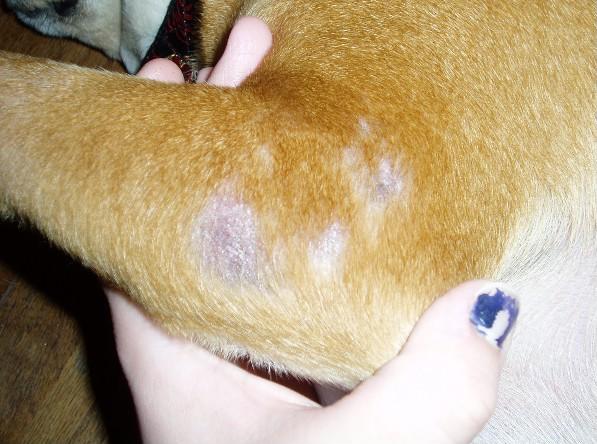
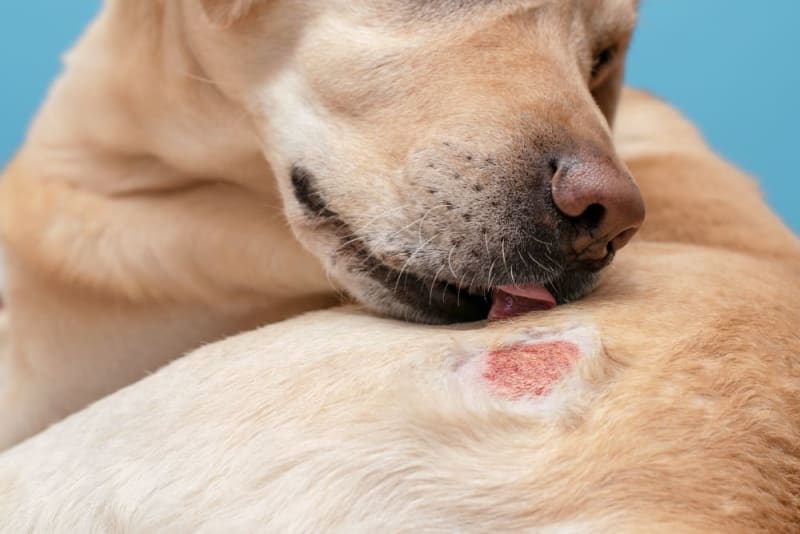
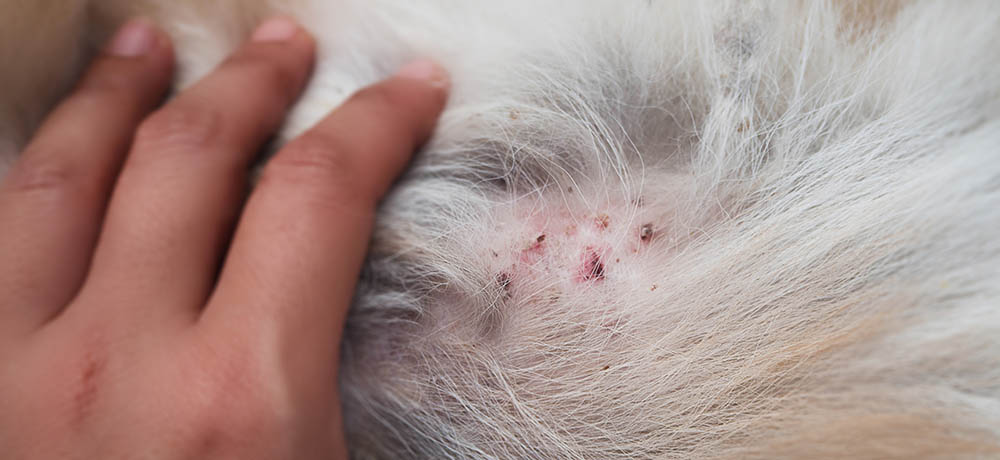
External parasites damage the coat and skin.
Common Parasites:
- Fleas
- Ticks
- Mites (cause mange)
Mange, especially, can lead to severe hair loss and skin infection.
Treatment:
Use vet-approved anti-parasitic treatments regularly.
4. Skin Infections
Bacterial or fungal infections can cause:
- Red patches
- Hair thinning
- Bad odor
- Oily skin
Fungal infections like ringworm create circular bald patches.
Veterinary medication is required for proper treatment.
5. Hormonal Imbalance
Hormonal disorders can cause symmetrical hair loss.
Common Conditions:
- Hypothyroidism
- Cushing’s disease
Dogs with hormonal issues often experience:
- Weight changes
- Lethargy
- Thin coat
Blood tests are needed for diagnosis.
6. Stress and Anxiety
Just like humans, dogs can lose hair due to stress. Moving homes, new pets, or loud environments can trigger hair shedding.
7. Over-Bathing or Wrong Shampoo
Bathing too often removes natural oils from the skin, causing dryness and dull hair.
Tip:
Bathe your dog only once every 3–4 weeks using dog-specific shampoo.
How to Improve Poor Dog Hair Naturally
1. Upgrade Diet Immediately
Nutrition is the foundation of coat health.
Add:
- Salmon oil
- Cooked eggs (occasionally)
- High-protein dog food
- Fresh water daily
Avoid:
- Cheap filler-based dog food
- Excess human junk food
2. Regular Grooming

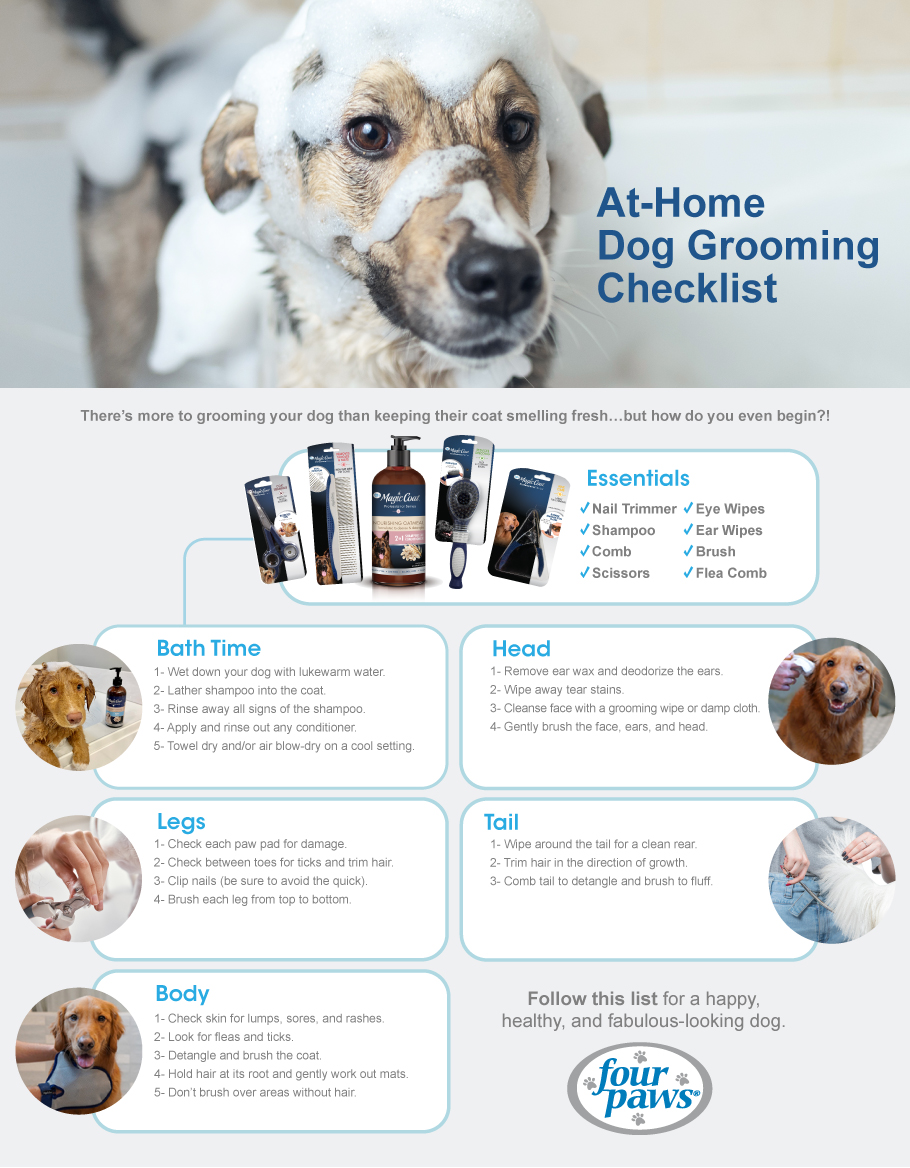

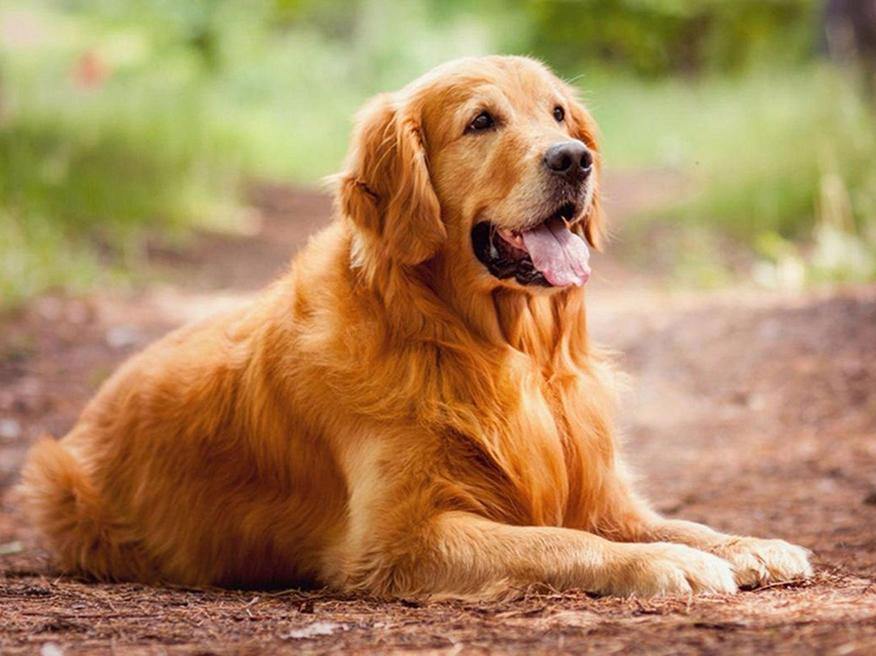
Brushing improves blood circulation and spreads natural oils.
Benefits:
- Removes dead hair
- Prevents matting
- Reduces shedding
- Stimulates healthy growth
Brush 2–3 times per week depending on breed.
3. Use Omega-3 Supplements
Omega-3 fatty acids:
- Reduce inflammation
- Improve shine
- Reduce itching
- Strengthen hair roots
Consult a vet for correct dosage.
4. Keep Parasites Away
Use monthly flea and tick prevention. This is essential even if your dog stays indoors.
5. Hydration is Important
Dehydration leads to dry skin and poor hair quality. Always provide clean water.
6. Visit a Veterinarian
If hair loss is severe, sudden, or accompanied by other symptoms, consult a vet. Underlying medical conditions must be ruled out.
Best Home Remedies for Poor Dog Hair
Here are safe home remedies:
🥥 Coconut Oil
- Apply small amount to dry areas
- Can also be added to food (small quantity)
🐟 Fish Oil
- Improves shine and reduces shedding
🥚 Eggs
- Rich in protein and biotin
- Give once weekly (cooked)
🧼 Oatmeal Bath
- Soothes itchy skin
- Hydrates dry coat
When to See a Vet Immediately
Contact a vet if you notice:
- Large bald patches
- Skin bleeding
- Constant scratching
- Bad smell from skin
- Sudden massive hair loss
These may indicate serious health issues.
Prevention Tips for Healthy Dog Hair
- Feed high-quality balanced diet
- Brush regularly
- Avoid harsh shampoos
- Use parasite prevention
- Provide stress-free environment
- Regular vet checkups
Consistency is key.
Frequently Asked Questions (FAQ)
1. Why is my dog’s hair dull and dry?
The most common reason is poor diet or lack of Omega-3 fatty acids. Dehydration and over-bathing can also cause dryness.
2. How can I make my dog’s coat shiny?
Improve nutrition, brush regularly, and add fish oil supplements to the diet.
3. Is hair loss in dogs normal?
Mild seasonal shedding is normal. However, bald patches and excessive loss are not normal.
4. Can stress cause hair loss in dogs?
Yes. Anxiety and stress can trigger excessive shedding.
5. How long does it take to improve dog coat health?
With proper care and diet, improvement can be seen within 3–6 weeks.
Final Thoughts
Poor dog hair is usually a sign that something is wrong—either in diet, grooming routine, or overall health. The good news is that most coat problems can be fixed with proper nutrition, grooming, parasite control, and veterinary guidance.
A healthy dog coat is soft, shiny, and full. By following the tips in this guide, you can restore your dog’s coat health and keep your furry friend looking and feeling great.