
How to Treat Acne-Prone Skin
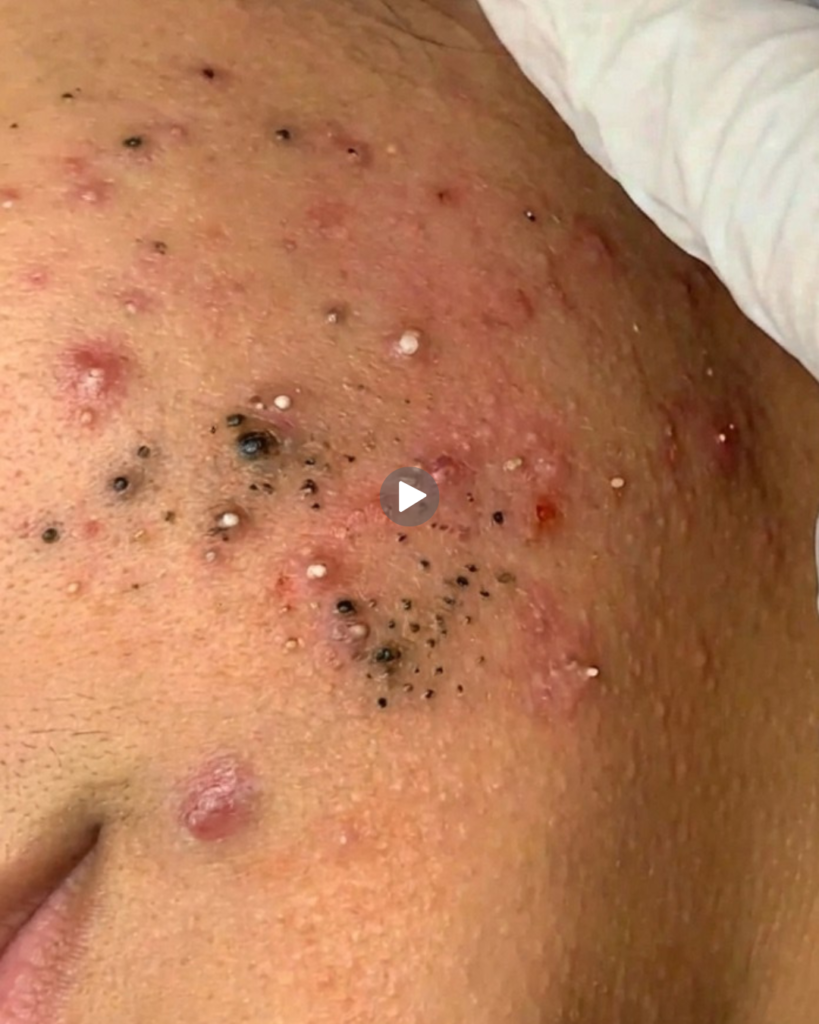
Acne-prone skin can be frustrating, unpredictable, and sometimes emotionally challenging. Whether you’re dealing with occasional breakouts or persistent acne, understanding how to properly care for your skin is the key to achieving a clearer, healthier complexion. This comprehensive guide will walk you through everything you need to know about treating acne-prone skin effectively.
Understanding Acne-Prone Skin
Acne occurs when hair follicles become clogged with oil (sebum), dead skin cells, and bacteria. This can lead to whiteheads, blackheads, pimples, cysts, and even painful nodules. Acne-prone skin tends to produce excess oil and is more sensitive to clogged pores and inflammation.
Common causes of acne include:
- Excess oil production
- Hormonal changes
- Bacteria buildup
- Poor skincare habits
- Diet and lifestyle factors
- Stress
Understanding the root cause of your acne helps you treat it more effectively.
Build a Proper Skincare Routine
A consistent skincare routine is essential for managing acne-prone skin. The goal is to keep your skin clean, balanced, and free from clogged pores.
1. Gentle Cleansing (Twice Daily)
Use a mild, non-comedogenic cleanser to wash your face twice a day—morning and night. Avoid harsh soaps that strip your skin, as they can trigger more oil production.
Look for ingredients like:
- Salicylic acid
- Benzoyl peroxide (in mild concentrations)
- Tea tree oil
Over-cleansing can irritate your skin, so stick to twice daily.
2. Use a Toner (Optional but Helpful)
A toner helps remove leftover dirt and balances your skin’s pH levels. For acne-prone skin, choose alcohol-free toners with soothing ingredients like:
- Witch hazel
- Niacinamide
- Green tea extract
3. Apply Targeted Treatments
Spot treatments or serums can help control acne more effectively. Some powerful acne-fighting ingredients include:
- Salicylic acid: Clears pores and reduces inflammation
- Benzoyl peroxide: Kills acne-causing bacteria
- Retinoids: Promote cell turnover and prevent clogged pores
- Niacinamide: Reduces redness and controls oil
Use these treatments carefully to avoid irritation.
4. Moisturize Daily
Many people with acne skip moisturizer, thinking it will worsen breakouts—but this is a mistake. Hydration is essential for healthy skin.
Choose:
- Oil-free moisturizers
- Gel-based formulas
- Non-comedogenic products
Moisturizing helps maintain the skin barrier and prevents excessive oil production.
5. Sunscreen is a Must
Sun exposure can worsen acne and cause dark spots (post-inflammatory hyperpigmentation). Use a lightweight, non-greasy sunscreen daily with at least SPF 30.
Look for:
- Oil-free sunscreen
- Gel or water-based formulas
Avoid Common Skincare Mistakes
Treating acne-prone skin isn’t just about what you do—it’s also about what you avoid.
Overwashing Your Face
Washing too often can strip natural oils and trigger more breakouts.
Using Too Many Products
Layering too many treatments can irritate your skin and worsen acne.
Picking or Popping Pimples
This can lead to scarring and infections.
Using Harsh Scrubs
Physical exfoliation can damage acne-prone skin. Instead, use gentle chemical exfoliants.
Exfoliation: Do It the Right Way
Exfoliation helps remove dead skin cells that clog pores, but it must be done carefully.
Chemical Exfoliants (Recommended)
- AHAs (like glycolic acid)
- BHAs (like salicylic acid)
Use 1–2 times per week depending on your skin sensitivity.
Avoid Over-Exfoliating
Too much exfoliation can damage your skin barrier and worsen acne.
Diet and Acne Connection
What you eat can impact your skin health.
Foods That May Trigger Acne
- Sugary foods
- Dairy products (for some people)
- Processed foods
- Fried and oily foods
Skin-Friendly Foods
- Fruits and vegetables
- Whole grains
- Omega-3 rich foods (fish, walnuts)
- Plenty of water
A balanced diet supports overall skin health and reduces inflammation.
Lifestyle Changes That Help Acne
Manage Stress
Stress can trigger hormonal changes that worsen acne. Try:
- Meditation
- Exercise
- Proper sleep
Keep Your Hands Off Your Face
Touching your face spreads bacteria and oil.
Clean Your Pillowcases and Towels
Dirty fabrics can transfer bacteria to your skin.
Stay Hydrated
Drinking enough water helps flush out toxins and keeps your skin healthy.
Natural Remedies for Acne-Prone Skin
Some natural remedies can support your skincare routine:
Aloe Vera
Soothes inflammation and promotes healing.
Tea Tree Oil
Has antibacterial properties (use diluted).
Honey
Acts as a natural antibacterial and moisturizer.
Note: Always do a patch test before using natural remedies.
When to See a Dermatologist
If your acne is severe, painful, or persistent, it’s best to consult a dermatologist. You may need:
- Prescription medications
- Oral antibiotics
- Hormonal treatments
- Professional procedures (chemical peels, laser therapy)
Early treatment can prevent scarring and long-term damage.
Acne Scars and Dark Spots
Acne doesn’t always end with pimples—it can leave marks behind.
How to Treat Them
- Use products with vitamin C
- Apply retinoids
- Use sunscreen daily
- Consider professional treatments
Consistency is key when treating acne scars.
Building Patience and Consistency
Treating acne-prone skin is not an overnight process. It takes time, consistency, and the right approach.
Tips for Success:
- Stick to your routine
- Avoid switching products too often
- Give products at least 4–6 weeks to show results
- Be gentle with your skin
Simple Daily Routine Example
Morning:
- Gentle cleanser
- Lightweight moisturizer
- Sunscreen
Night:
- Cleanser
- Treatment (salicylic acid or retinoid)
- Moisturizer
Optional:
- Exfoliate 1–2 times weekly
Final Thoughts
Acne-prone skin requires care, patience, and consistency. By following a proper skincare routine, avoiding common mistakes, and making healthy lifestyle choices, you can significantly improve your skin’s condition.
Remember, everyone’s skin is different. What works for one person may not work for another. Pay attention to your skin’s needs, adjust your routine accordingly, and don’t hesitate to seek professional help if needed.
Clear skin is not about perfection—it’s about healthy, balanced skin that you feel confident in.