
How to Get Rid of Chest Acne: Complete Guide for Clear and Healthy Skin
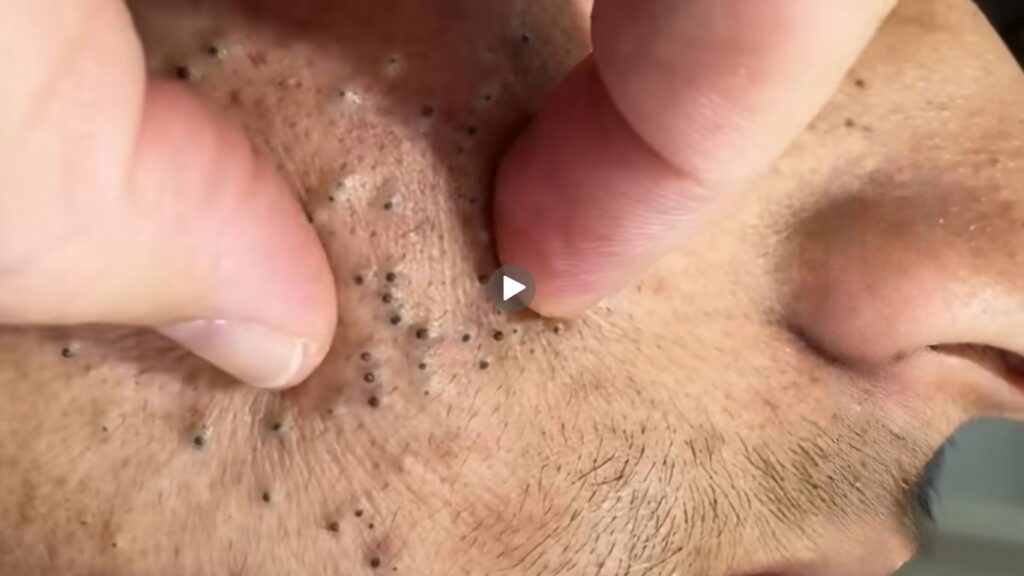
Chest acne is a common skin problem that affects teenagers and adults alike. Just like facial acne, chest acne can cause pimples, blackheads, whiteheads, and even painful cysts. Many people feel embarrassed because chest acne becomes visible when wearing open shirts, dresses, or swimwear.
If you are struggling with chest acne, don’t worry. In this complete guide, you will learn what causes chest acne, how to treat it effectively, natural remedies, medical treatments, and prevention tips to keep your skin clear.
What Is Chest Acne?
Chest acne is a type of acne that appears on the chest area. It happens when hair follicles become clogged with oil (sebum), dead skin cells, and bacteria. The bacteria mainly responsible for acne is called Cutibacterium acnes.
Chest acne can appear in different forms:
- Whiteheads
- Blackheads
- Red pimples
- Pustules
- Painful cysts
The chest area has many oil glands, which makes it prone to breakouts — especially during hot weather.
What Causes Chest Acne?
Understanding the cause is the first step in treating chest acne.
1. Excess Oil Production
Hormonal changes (especially during puberty, pregnancy, or stress) increase oil production. Extra oil clogs pores and causes acne.
2. Hormonal Imbalance
Hormones like androgens can increase oil production. Conditions such as Polycystic Ovary Syndrome can also lead to body acne.
3. Sweat and Tight Clothing
Sweat mixed with tight clothes creates friction and traps bacteria. This condition is often called acne mechanica.
4. Poor Hygiene
Not showering after sweating can clog pores and cause chest pimples.
5. Hair Removal Irritation
Shaving or waxing chest hair can irritate hair follicles and lead to breakouts.
6. Unhealthy Diet
Sugary foods and dairy products may increase acne in some people.
7. Stress
Stress increases cortisol levels, which can trigger more oil production.
Types of Chest Acne
1. Mild Acne
Small whiteheads and blackheads.
2. Moderate Acne
Red and inflamed pimples.
3. Severe Acne
Large, painful cysts that may leave scars.
Severe acne may require professional treatment.
How to Get Rid of Chest Acne (Step-by-Step Guide)
1. Use a Salicylic Acid Body Wash
Salicylic acid helps unclog pores and remove dead skin cells. Use it once daily while showering.
2. Try Benzoyl Peroxide
Benzoyl peroxide kills acne-causing bacteria and reduces inflammation. Apply a thin layer on affected areas.
3. Shower After Sweating
Always shower after workouts to remove sweat and bacteria.
4. Wear Loose Cotton Clothes
Avoid tight synthetic clothes. Cotton allows your skin to breathe.
5. Exfoliate Gently
Exfoliate 1–2 times a week to remove dead skin cells. Do not over-scrub.
6. Avoid Heavy Creams
Use oil-free and non-comedogenic products.
Natural Remedies for Chest Acne



If you prefer natural treatments, try these remedies:
1. Aloe Vera
Aloe vera has antibacterial and soothing properties. Apply fresh gel daily.
2. Tea Tree Oil
Tea tree oil reduces bacteria and inflammation. Always dilute it before use.
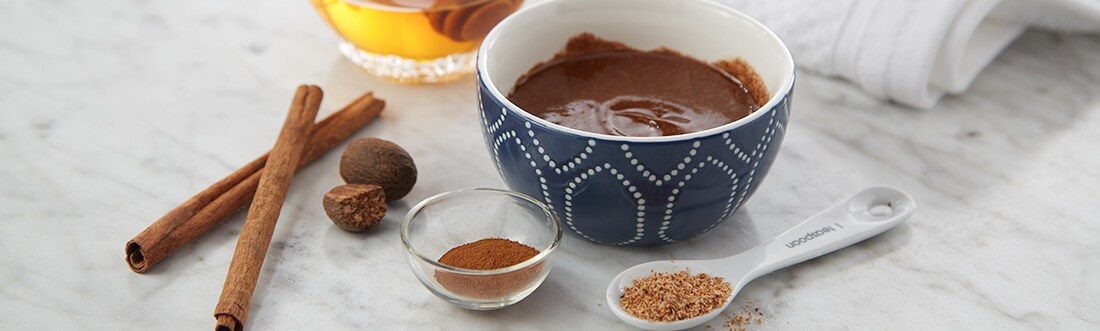
3. Honey and Cinnamon Mask
Both have antibacterial properties. Apply for 10–15 minutes, then rinse.
4. Apple Cider Vinegar
Diluted apple cider vinegar may help balance skin pH. Use carefully to avoid irritation.
Note: Natural remedies work slowly and may not suit sensitive skin.
Medical Treatments for Severe Chest Acne
If home remedies don’t work, consult a dermatologist. Treatments may include:
1. Topical Retinoids
Derived from vitamin A, retinoids unclog pores and prevent new breakouts.
2. Oral Antibiotics
For moderate to severe acne, doctors may prescribe antibiotics.
3. Hormonal Therapy
Birth control pills may help regulate hormones in women.
4. Isotretinoin
In severe cases, doctors may prescribe isotretinoin, often known by the brand name Accutane. It is powerful and requires medical supervision.
Chest Acne vs. Fungal Acne
Sometimes chest bumps are not acne but fungal infections (Malassezia folliculitis). Fungal acne is:
- Itchy
- Uniform in size
- Not responding to acne treatments
Antifungal treatment may be needed.
Diet Tips to Reduce Chest Acne
Although diet affects everyone differently, these tips may help:
- Reduce sugary drinks
- Limit dairy products
- Eat more fruits and vegetables
- Drink plenty of water
- Add omega-3 fatty acids (fish, walnuts)
Skincare Routine for Chest Acne
Here is a simple routine:
Morning:
- Gentle cleanser
- Salicylic acid treatment
- Oil-free moisturizer
- Sunscreen (if exposed)
Night:
- Cleanser
- Retinoid or benzoyl peroxide
- Light moisturizer
Consistency is key.
How Long Does Chest Acne Take to Clear?
- Mild acne: 2–4 weeks
- Moderate acne: 6–8 weeks
- Severe acne: 3–6 months
Avoid switching products too quickly. Give treatments time to work.
When to See a Doctor
See a dermatologist if:
- Acne is painful
- You see deep cysts
- Scars are forming
- Home treatments are not working
- Acne affects your confidence severely
How to Prevent Chest Acne
Prevention is better than cure.
- Shower daily
- Avoid tight clothing
- Change sweaty clothes quickly
- Wash bed sheets weekly
- Avoid touching or picking pimples
- Manage stress through exercise or meditation
Common Mistakes That Make Chest Acne Worse
- Overwashing the skin
- Using harsh scrubs
- Popping pimples
- Skipping moisturizer
- Using oily body lotions
Can Chest Acne Leave Scars?
Yes, severe chest acne can leave dark spots and scars. Early treatment reduces this risk. Treatments like chemical peels or laser therapy can improve scars.
Final Thoughts
Chest acne is common and treatable. With the right skincare routine, healthy lifestyle habits, and patience, you can achieve clear and smooth skin. Start with simple steps like proper cleansing, using acne-fighting ingredients, and wearing breathable clothing.
If your acne is severe or persistent, consult a dermatologist for professional advice. Remember, clear skin takes time — stay consistent and don’t lose hope.
FAQs for Ranking
1. How do I get rid of chest acne quickly?
Use salicylic acid body wash, benzoyl peroxide treatment, shower after sweating, and wear loose clothing.
2. Why am I getting acne on my chest?
Chest acne is caused by excess oil, sweat, hormonal changes, tight clothing, and bacteria.
3. Can diet cause chest acne?
Yes, sugary foods and dairy products may trigger acne in some people.
4. Is chest acne normal?
Yes, it is very common and affects both teenagers and adults.
5. Does chest acne go away on its own?
Mild acne may clear naturally, but proper treatment speeds up healing and prevents scars.