
Hormonal Blackheads: Causes, Treatment, and Prevention Guide
Introduction
Blackheads are one of the most common skin concerns affecting people of all ages. While they are often linked to poor skincare habits or oily skin, many people don’t realize that hormones play a major role in blackhead formation. Hormonal blackheads can be stubborn, recurring, and difficult to treat without addressing the root cause.
In this detailed guide, we will explore what hormonal blackheads are, their causes, symptoms, treatment options, and how to prevent them effectively.
What Are Hormonal Blackheads?
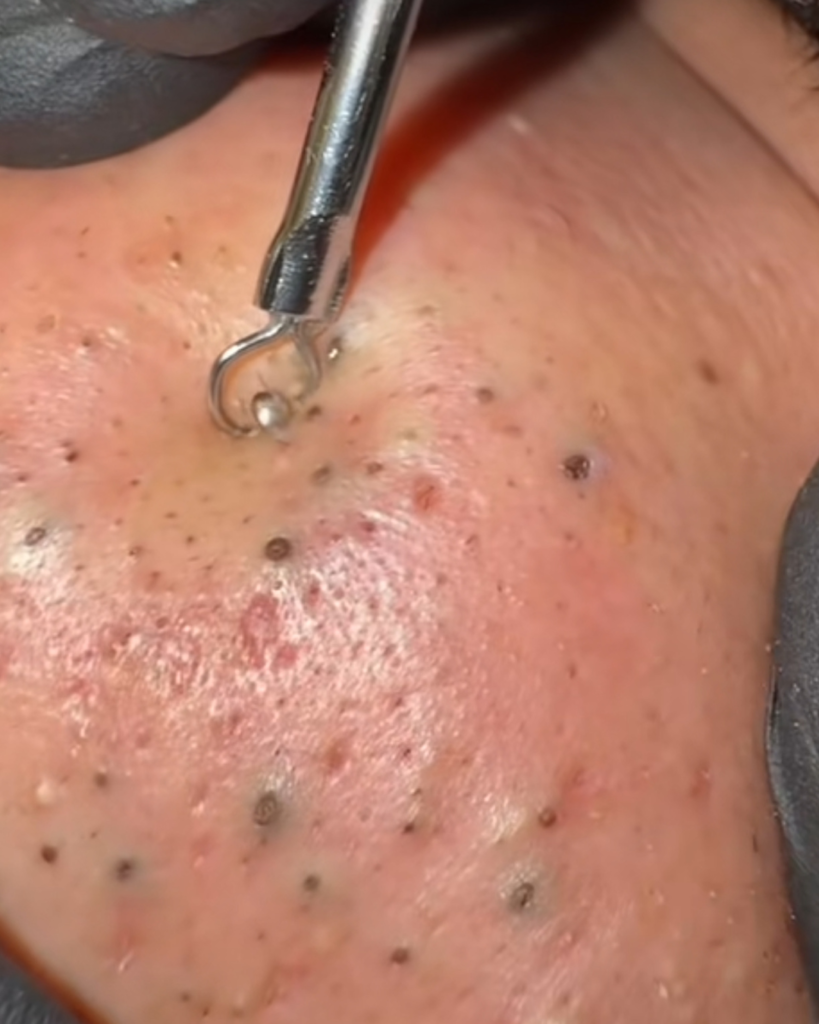
Hormonal blackheads are a type of acne caused by fluctuations in hormone levels, particularly androgens. Blackheads (also known as open comedones) form when hair follicles become clogged with oil (sebum), dead skin cells, and dirt. When the clogged pore remains open, it oxidizes and turns black.
Unlike regular blackheads, hormonal ones are often:
- Persistent
- Located in specific areas like the chin, jawline, and cheeks
- Linked to hormonal cycles or imbalances
How Hormones Cause Blackheads
Hormones, especially androgens like testosterone, increase the production of sebum in the skin. When excess oil mixes with dead skin cells, it clogs pores, leading to blackheads.
Key Hormonal Triggers:
- Puberty
During puberty, hormone levels rise sharply, leading to increased oil production and clogged pores. - Menstrual Cycle
Many women notice blackheads appearing before their period due to hormonal fluctuations. - Pregnancy
Hormonal shifts during pregnancy can trigger acne and blackheads. - Polycystic Ovary Syndrome (PCOS)
PCOS can cause excess androgen production, leading to severe blackheads and acne. - Stress
Stress increases cortisol levels, which can indirectly boost oil production.
Common Areas for Hormonal Blackheads
Hormonal blackheads tend to appear in specific zones:
- Chin
- Jawline
- Nose
- Forehead (T-zone)
- Cheeks
These areas have more oil glands, making them more prone to blockage.
Signs of Hormonal Blackheads
It’s important to distinguish hormonal blackheads from regular ones. Here are some common signs:
- Recurring blackheads in the same areas
- Breakouts linked to menstrual cycles
- Oily skin, especially in the T-zone
- Combination with other acne types (whiteheads, cysts)
- Resistance to basic skincare treatments
Causes of Hormonal Blackheads
1. Excess Sebum Production
Hormones stimulate oil glands, causing overproduction of sebum that clogs pores.
2. Dead Skin Cell Buildup
When dead skin cells are not properly shed, they mix with oil and block pores.
3. Poor Skincare Routine
Not cleansing properly or using heavy products can worsen blackheads.
4. Diet
Foods high in sugar and dairy may trigger hormonal imbalances.
5. Genetics
If your family has a history of acne, you may be more prone to hormonal blackheads.
Treatment Options for Hormonal Blackheads
1. Topical Treatments
Salicylic Acid
- Penetrates deep into pores
- Removes excess oil and dead skin cells
Retinoids
- Increase cell turnover
- Prevent clogged pores
Benzoyl Peroxide
- Reduces bacteria and inflammation
2. Hormonal Treatments
If blackheads are severe, doctors may recommend:
- Birth control pills (for women)
- Anti-androgen medications
- Hormone therapy
These treatments help regulate hormone levels and reduce oil production.
3. Professional Treatments
Chemical Peels
- Remove dead skin layers
- Unclog pores
Microdermabrasion
- Exfoliates the skin
- Improves texture
Extraction
- Dermatologists safely remove blackheads
4. Natural Remedies
Some people prefer natural solutions:
- Tea Tree Oil – antibacterial properties
- Clay Masks – absorb excess oil
- Aloe Vera – soothes skin
While helpful, these may not fully treat hormonal causes.
Skincare Routine for Hormonal Blackheads
A proper skincare routine is essential.
Morning Routine:
- Gentle cleanser
- Toner
- Oil-free moisturizer
- Sunscreen
Night Routine:
- Cleanser
- Exfoliant (2–3 times per week)
- Treatment (retinoid or salicylic acid)
- Moisturizer
Consistency is key for visible results.
Diet and Lifestyle Tips
Foods to Avoid:
- Sugary foods
- Dairy products
- Processed foods
Foods to Include:
- Fruits and vegetables
- Omega-3 fatty acids
- Whole grains
Lifestyle Changes:
- Drink plenty of water
- Exercise regularly
- Manage stress through meditation or yoga
- Get enough sleep
Prevention Tips
Preventing hormonal blackheads requires a combination of skincare and lifestyle habits:
- Keep your face clean
- Avoid touching your face frequently
- Use non-comedogenic products
- Remove makeup before sleeping
- Maintain hormonal balance through diet and health care
When to See a Dermatologist
You should consult a dermatologist if:
- Blackheads are severe or painful
- Over-the-counter treatments don’t work
- You suspect hormonal imbalance (e.g., PCOS)
- Acne affects your confidence
Professional help can provide personalized treatment.
Myths About Hormonal Blackheads
Myth 1: Blackheads are caused by dirt
Fact: They are caused by oil oxidation, not dirt.
Myth 2: Scrubbing removes blackheads
Fact: Over-scrubbing can irritate skin and worsen acne.
Myth 3: Only teenagers get blackheads
Fact: Adults can also suffer due to hormonal changes.
Conclusion
Hormonal blackheads can be frustrating, but they are manageable with the right approach. Understanding the role of hormones is the first step toward effective treatment. By combining proper skincare, healthy lifestyle choices, and medical treatments if needed, you can significantly reduce blackheads and achieve clearer skin.
Consistency, patience, and the right knowledge are your best tools in fighting hormonal blackheads.