
Fast Food and Acne: Causes, Prevention, and Treatment
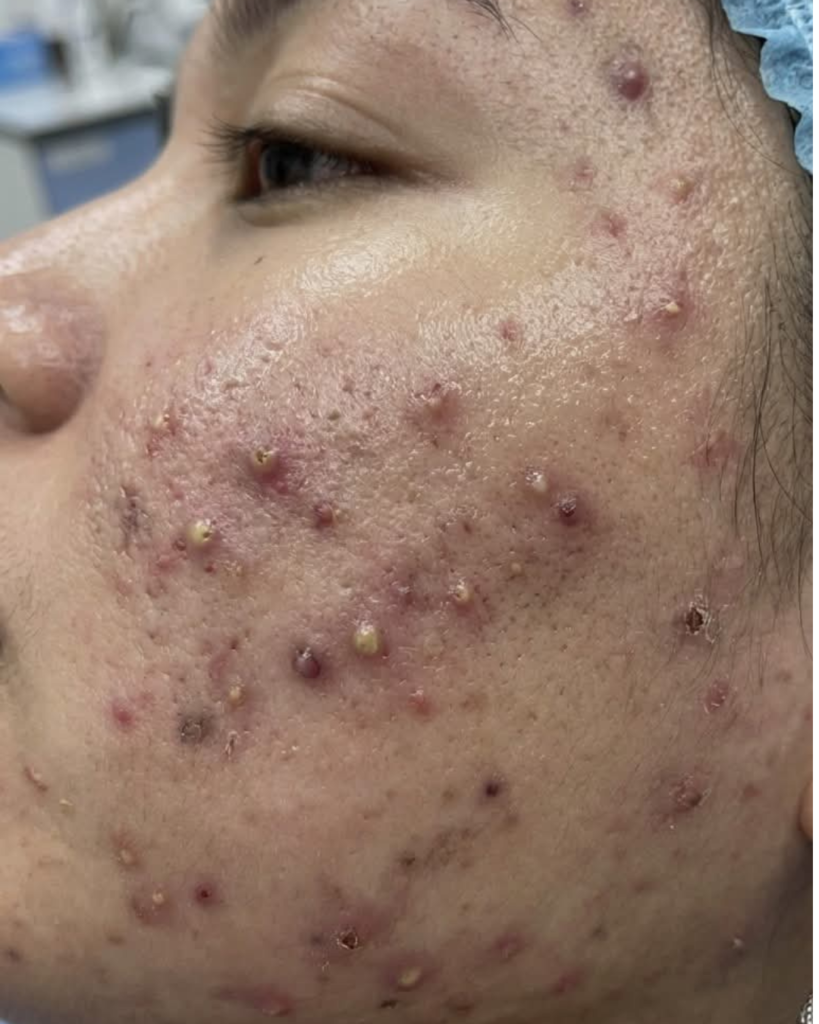
Acne is one of the most common skin problems affecting millions worldwide, especially teenagers and young adults. While genetics, hormones, and skincare routines play a significant role, diet is increasingly recognized as a key factor in skin health. Fast food, with its high sugar, fat, and refined carbohydrate content, has been linked to increased acne flare-ups. In this article, we will explore how fast food impacts skin health, natural remedies, prevention strategies, and effective treatments to manage acne caused by poor dietary choices.
Understanding Acne
Acne is a skin condition characterized by pimples, blackheads, whiteheads, and sometimes cysts. It primarily occurs when hair follicles become clogged with oil (sebum), dead skin cells, and bacteria. Hormonal changes, especially during puberty, increase oil production, making the skin more prone to breakouts. While mild acne may only cause minor blemishes, severe acne can leave lasting scars and impact self-confidence.
Causes of Acne
Acne can be caused by multiple factors, including:
- Hormonal Imbalance – Androgens can increase oil production, leading to clogged pores.
- Bacterial Infection – Propionibacterium acnes can proliferate in blocked follicles.
- Stress – High cortisol levels can worsen inflammation.
- Diet – Foods high in sugar, dairy, and unhealthy fats can trigger acne.
Among these, diet, particularly fast food consumption, has received significant attention in recent dermatological research.
How Fast Food Affects Acne
Fast food includes items like burgers, fries, pizzas, fried chicken, sugary drinks, and desserts. These foods are often rich in:
- Refined Carbohydrates – White bread, fries, and sugary drinks spike blood sugar, triggering insulin surges, which can increase oil production and worsen acne.
- Trans Fats and Saturated Fats – Found in fried foods, these fats cause inflammation, which may aggravate acne.
- High Glycemic Index (GI) – High-GI foods can cause hormonal imbalances that lead to excess sebum.
- Dairy Products – Some fast foods contain cheese and milk, which may increase acne in sensitive individuals.
Studies have shown that individuals consuming fast food frequently are more likely to develop moderate to severe acne compared to those who maintain a balanced diet.
Symptoms of Acne Triggered by Fast Food
Acne caused by fast food consumption typically presents as:
- Red, inflamed pimples on the cheeks, forehead, and jawline.
- Occasional cysts or nodules, especially in severe cases.
- Increased oiliness of the skin.
- Slow healing of existing pimples.
It is important to differentiate between acne caused by diet and other triggers, such as hormonal fluctuations or stress.
Natural Remedies for Fast Food-Related Acne
Several natural remedies can help manage and reduce acne without harsh chemicals:
1. Maintain a Balanced Diet
- Eat fresh fruits and vegetables rich in antioxidants.
- Include foods high in omega-3 fatty acids, such as fish, flaxseeds, and walnuts, to reduce inflammation.
- Avoid sugary drinks, fried foods, and excessive dairy products.
2. Stay Hydrated
Drinking at least 8–10 glasses of water daily helps flush out toxins and maintain healthy skin hydration, reducing the risk of clogged pores.
3. Tea Tree Oil
Tea tree oil has natural antibacterial and anti-inflammatory properties. Dilute a few drops in a carrier oil and apply directly to pimples to reduce redness and swelling.
4. Aloe Vera Gel
Aloe vera soothes irritated skin, reduces inflammation, and promotes healing. Apply fresh aloe vera gel to affected areas twice daily.
5. Honey and Cinnamon Mask
Honey has antibacterial properties, and cinnamon has anti-inflammatory effects. Mixing them into a mask can help reduce acne and prevent future breakouts.
6. Green Tea Extract
Green tea is rich in antioxidants that reduce inflammation. Applying green tea extract or drinking green tea regularly can improve skin health.
Lifestyle Changes to Prevent Acne
Beyond diet, several lifestyle modifications can help prevent acne caused by fast food:
- Regular Exercise – Helps regulate hormones and reduces stress, but make sure to shower immediately after sweating to prevent pore clogging.
- Adequate Sleep – Poor sleep increases cortisol levels, which can worsen acne.
- Consistent Skincare Routine – Use gentle cleansers and moisturizers suitable for your skin type. Avoid harsh scrubbing.
- Limit Junk Food – Replace fast food with home-cooked meals rich in vegetables, lean proteins, and whole grains.
- Stress Management – Practice yoga, meditation, or deep breathing exercises to control stress-related breakouts.
Medical Treatments for Severe Acne
If acne persists despite dietary and lifestyle changes, medical intervention may be necessary. Dermatologists may recommend:
1. Topical Treatments
- Benzoyl Peroxide – Kills acne-causing bacteria and reduces inflammation.
- Salicylic Acid – Helps unclog pores and exfoliate dead skin cells.
- Retinoids – Promote cell turnover and prevent clogged pores.
2. Oral Medications
- Antibiotics – Reduce bacterial infection and inflammation.
- Hormonal Therapy – For women, birth control pills or anti-androgen medications can regulate hormones causing acne.
- Isotretinoin – A potent medication for severe or cystic acne. Should be used under strict medical supervision due to potential side effects.
3. Professional Skin Treatments
- Chemical Peels – Remove dead skin cells and reduce inflammation.
- Laser Therapy – Targets acne-causing bacteria and reduces scarring.
- Extraction – Performed by dermatologists to safely remove blackheads and whiteheads.
Preventing Acne Through Smart Food Choices
Preventing acne is easier than treating it after it develops. Smart dietary choices can help maintain clear skin:
- Eat low-GI foods like oats, brown rice, and whole grains.
- Incorporate antioxidant-rich foods such as berries, spinach, and kale.
- Choose lean proteins like chicken, fish, and legumes.
- Use healthy fats from olive oil, nuts, and avocados instead of trans fats.
- Limit processed and fried foods to reduce inflammation.
Conclusion
Fast food can significantly contribute to acne by increasing inflammation, hormonal imbalance, and oil production. While occasional indulgence may not cause permanent damage, frequent consumption can lead to persistent breakouts. Managing acne effectively requires a combination of diet, lifestyle changes, natural remedies, and, if necessary, medical treatments. By reducing fast food intake, staying hydrated, following a proper skincare routine, and incorporating anti-inflammatory foods, individuals can achieve healthier, clearer skin.