
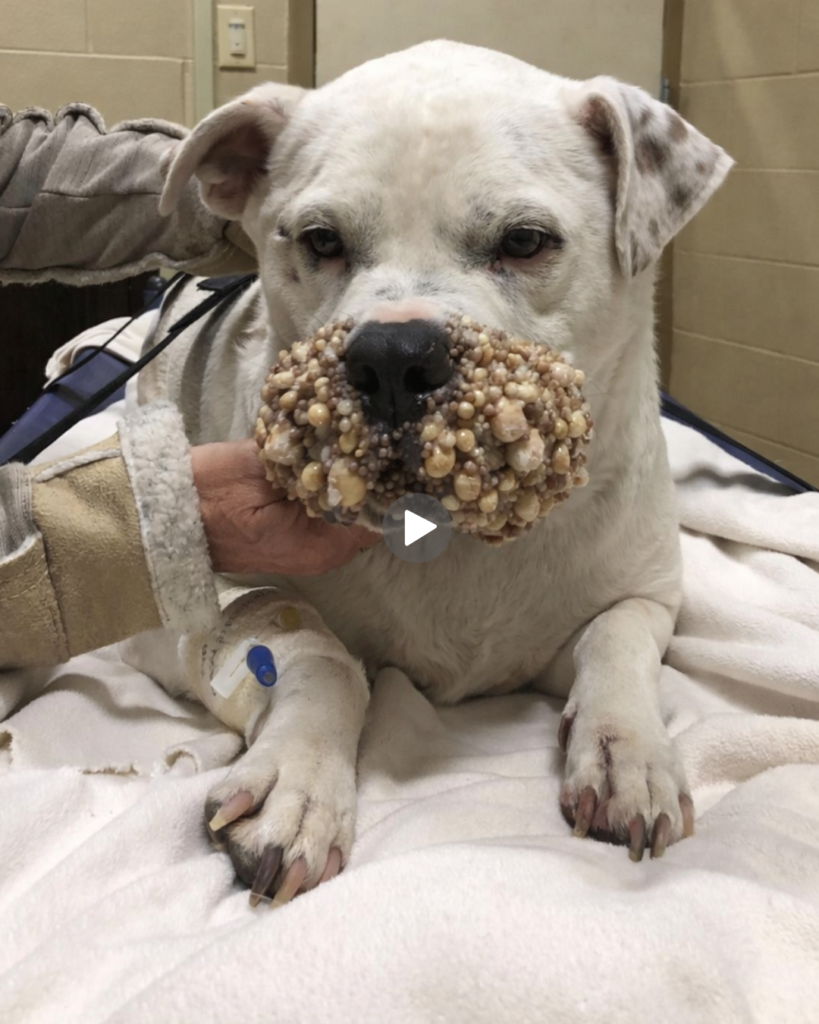
Introduction
Dogs are loyal companions, but just like humans, they can suffer from painful health issues. One of the most common yet often ignored problems is a mouth infection in dogs. When a dog develops an infection in its mouth, it can become extremely uncomfortable, leading to difficulty eating, drinking, and even behaving normally.
If your dog is refusing food or water, drooling excessively, or showing signs of pain while eating, it may be suffering from a mouth infection. This condition can quickly become serious if not treated on time. In this article, we will explore everything you need to know about dog mouth infections, including causes, symptoms, treatment options, and home care tips.
What is a Dog Mouth Infection?
A dog mouth infection refers to any bacterial, viral, or fungal infection that affects the dog’s oral cavity. This includes the gums, teeth, tongue, lips, and throat. These infections can range from mild gum inflammation to severe conditions that affect the dog’s overall health.
The most common types include:
- Gum infections (gingivitis)
- Periodontal disease
- Mouth ulcers
- Tooth abscesses
- Oral tumors (in rare cases)
Causes of Mouth Infection in Dogs
Understanding the root cause of the infection is very important for proper treatment. Here are the most common causes:
1. Poor Dental Hygiene
Just like humans, dogs need proper oral care. If their teeth are not cleaned regularly, plaque and tartar build up, leading to infection.
2. Bacterial Growth
Bacteria naturally live in a dog’s mouth, but when they grow excessively, they can cause serious infections.
3. Injuries in the Mouth
Sharp objects like bones, sticks, or hard toys can injure the gums or tongue, allowing bacteria to enter and cause infection.
4. Weak Immune System
Dogs with weak immunity are more likely to develop infections quickly.
5. Broken or Decayed Teeth
A damaged tooth can lead to an abscess, which is a painful infection filled with pus.
6. Eating Dirty or Contaminated Food
Dogs that eat garbage or spoiled food are at higher risk of oral infections.
Symptoms of Mouth Infection in Dogs
Recognizing the symptoms early can save your dog from severe pain. Here are the common signs:
1. Difficulty Eating or Drinking
If your dog refuses food or cries while eating, it is a strong sign of mouth pain.
2. Bad Breath (Halitosis)
A strong foul smell from the mouth often indicates infection.
3. Drooling Excessively
Infected dogs may drool more than usual.
4. Swollen or Bleeding Gums
Red, swollen, or bleeding gums are a clear sign of gum infection.
5. Pawing at the Mouth
Dogs may try to touch or scratch their mouth due to pain.
6. Weight Loss
If the dog is not eating properly, it may start losing weight.
7. Visible Sores or Pus
Sometimes, you may notice ulcers or pus inside the mouth.
Why Your Dog is Not Eating or Drinking
When a dog has a mouth infection, eating becomes extremely painful. Chewing food can irritate inflamed gums or infected teeth, causing severe discomfort.
Drinking water may also cause pain, especially if there are open sores or ulcers in the mouth. This can lead to dehydration, which is dangerous if not treated quickly.
When to See a Veterinarian
You should take your dog to a vet immediately if:
- Your dog hasn’t eaten for more than 24 hours
- There is bleeding from the mouth
- You see pus or swelling
- The dog is weak or dehydrated
- The infection is getting worse
Early treatment can prevent serious complications.
Treatment Options for Dog Mouth Infection
1. Professional Cleaning
A vet may clean your dog’s teeth to remove plaque and bacteria.
2. Antibiotics
If the infection is bacterial, antibiotics are prescribed to kill harmful bacteria.
3. Pain Relief Medication
Painkillers help reduce discomfort and allow the dog to eat.
4. Tooth Extraction
In severe cases, damaged or infected teeth may need to be removed.
5. Antiseptic Mouth Wash
Special dog-friendly oral solutions may be used to clean the mouth.
Home Care Tips for Dog Mouth Infection
While veterinary care is important, you can also help your dog recover faster at home:
1. Provide Soft Food
Feed your dog soft or liquid food like:
- Boiled chicken (without bones)
- Rice
- Soft dog food
- Broth
This reduces pain while eating.
2. Keep Your Dog Hydrated
Ensure your dog drinks water. If it refuses, you can:
- Use a syringe (without needle) to give water slowly
- Offer flavored broth
3. Maintain Oral Hygiene
Gently clean your dog’s mouth using a soft cloth or dog toothbrush.
4. Avoid Hard Foods and Toys
Do not give bones or hard chew toys until the dog fully recovers.
5. Use Vet-Recommended Oral Sprays
Only use products recommended by your veterinarian.
Natural Remedies (With Caution)
Some natural remedies may help, but always consult a vet before trying:
1. Coconut Oil
It has antibacterial properties. Apply a small amount gently.
2. Turmeric Paste
Turmeric can reduce inflammation, but use only in small amounts.
3. Chamomile Tea Rinse
Cooled chamomile tea may soothe irritated gums.
⚠️ Important: Never rely only on home remedies for serious infections.
Prevention Tips
Prevention is always better than cure. Follow these steps to protect your dog:
1. Brush Teeth Regularly
Brush your dog’s teeth 2–3 times a week using dog toothpaste.
2. Provide Dental Chews
Dental treats help reduce plaque buildup.
3. Regular Vet Checkups
Visit the vet for dental checkups every 6–12 months.
4. Healthy Diet
Feed your dog high-quality food to maintain strong teeth and gums.
5. Avoid Unsafe Objects
Do not let your dog chew on sharp or hard items.
Risks of Ignoring Mouth Infection
If left untreated, a mouth infection can lead to serious problems:
- Spread of infection to other body parts
- Severe pain and suffering
- Tooth loss
- Difficulty eating permanently
- Life-threatening conditions in extreme cases
Emotional Impact on Your Dog
Dogs cannot speak, but they feel pain deeply. A mouth infection can make them:
- Sad and inactive
- Irritable
- Weak and tired
As a responsible owner, it is your duty to notice these signs and act quickly.
Conclusion
A dog mouth infection is not just a minor problem—it can severely affect your dog’s health and happiness. If your dog is not eating or drinking due to mouth pain, it is a clear sign that something is wrong.
Early detection, proper treatment, and good home care can help your dog recover quickly. Always consult a veterinarian for serious symptoms and follow a regular dental care routine to prevent future infections.
Your dog depends on you for care and love. By taking the right steps, you can ensure a healthy and pain-free life for your furry friend.