
Dogs are loyal, loving, and intelligent companions. But to truly understand your furry friend, it is important to know about common dog habits and what they mean. Every dog has unique behaviors, yet many habits are natural and shared among most breeds. Learning about these habits helps pet owners build a stronger bond and ensure their dog’s health and happiness.
In this detailed guide, we will explore common dog habits, why dogs behave in certain ways, and how you can manage or encourage healthy behavior.
1. Tail Wagging – A Dog’s Way of Communication


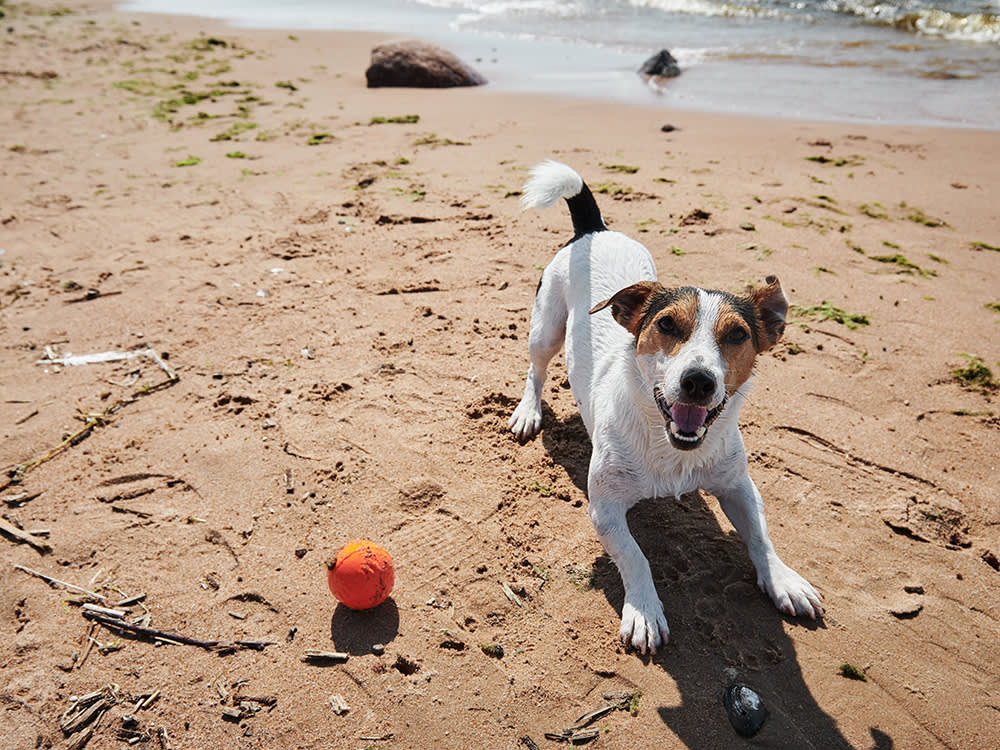
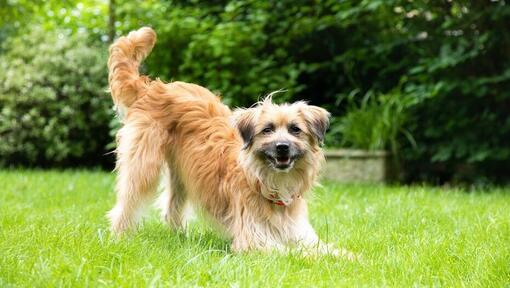
Tail wagging is one of the most recognizable dog habits. Many people think a wagging tail always means happiness, but it can express different emotions.
What Tail Wagging Means:
- Fast wagging with relaxed body – Happiness and excitement
- Slow wagging – Curiosity or uncertainty
- Stiff tail wagging – Alertness or possible aggression
- Low tail wagging – Submission or nervousness
Dogs use their tails to communicate with humans and other animals. Understanding this habit can prevent misunderstandings and improve safety.
2. Barking – Natural Vocal Communication

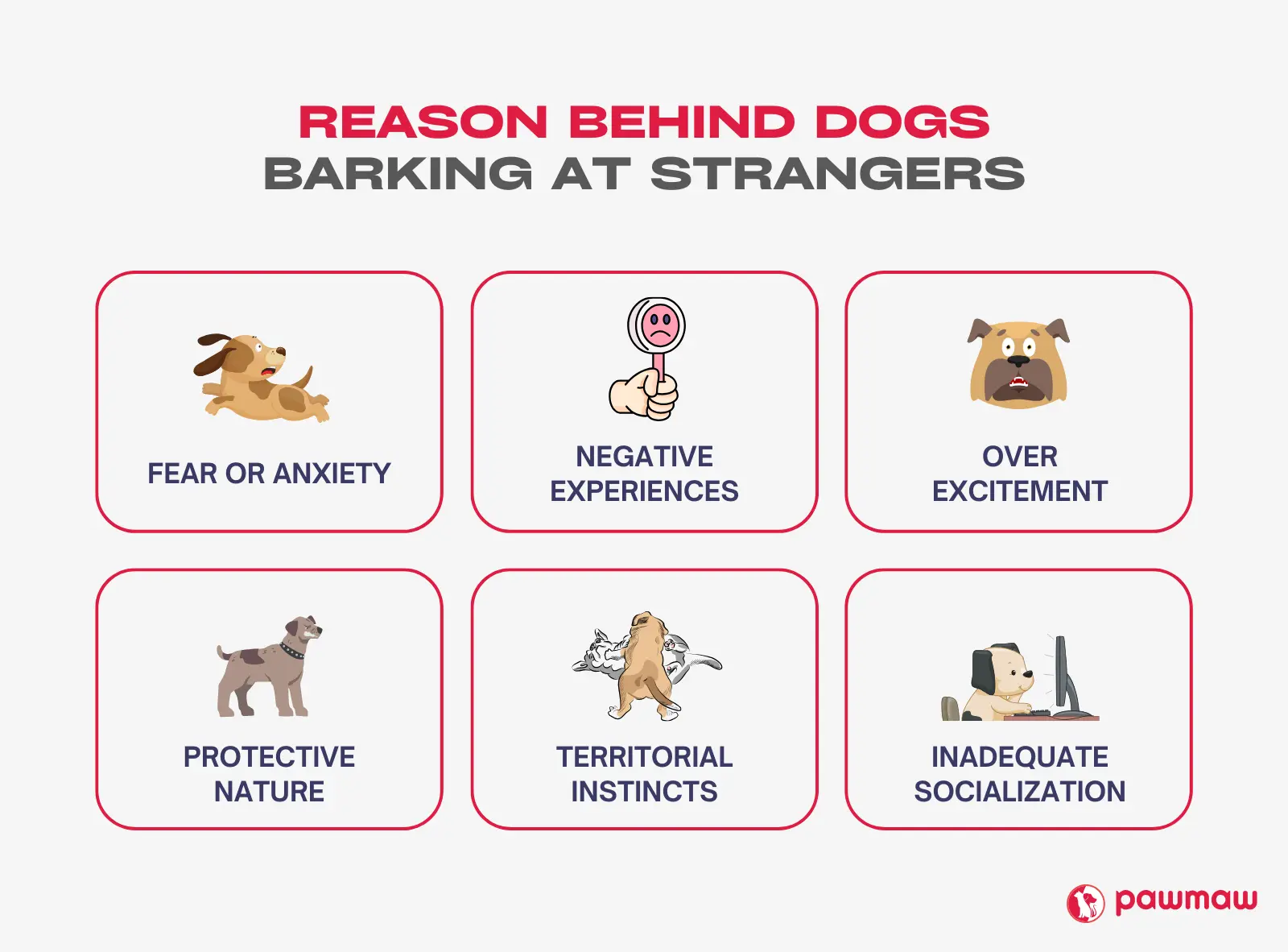


Barking is a natural dog habit. Dogs bark for many reasons:
Common Reasons for Barking:
- Alerting about strangers
- Seeking attention
- Feeling bored
- Expressing fear or anxiety
- Playing or excitement
Excessive barking may indicate stress or lack of training. Proper training and daily exercise can reduce unnecessary barking.
3. Sniffing Everything
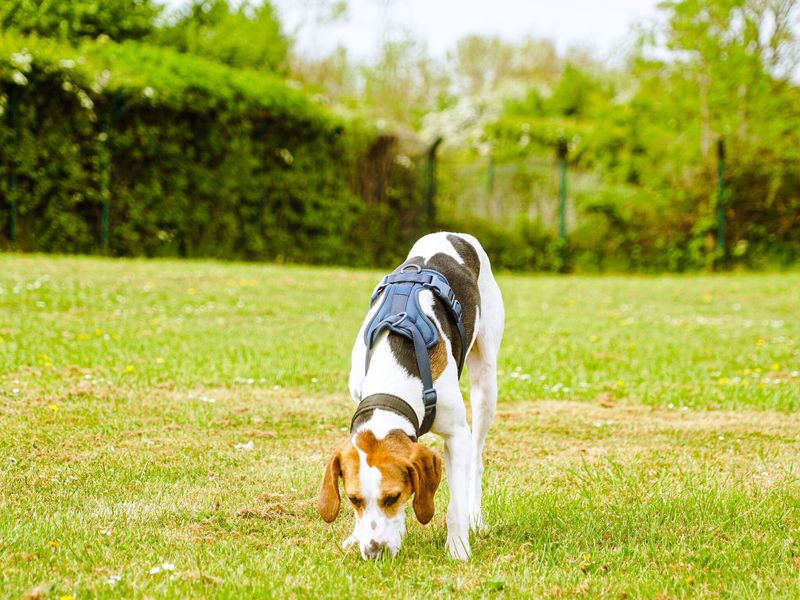


Dogs experience the world mainly through their sense of smell. Sniffing is a very strong natural habit.
A dog’s nose is far more powerful than a human’s. They use it to:
- Recognize people and animals
- Find food
- Explore new environments
- Gather information
Allowing your dog to sniff during walks keeps them mentally stimulated and happy.
4. Chewing Objects
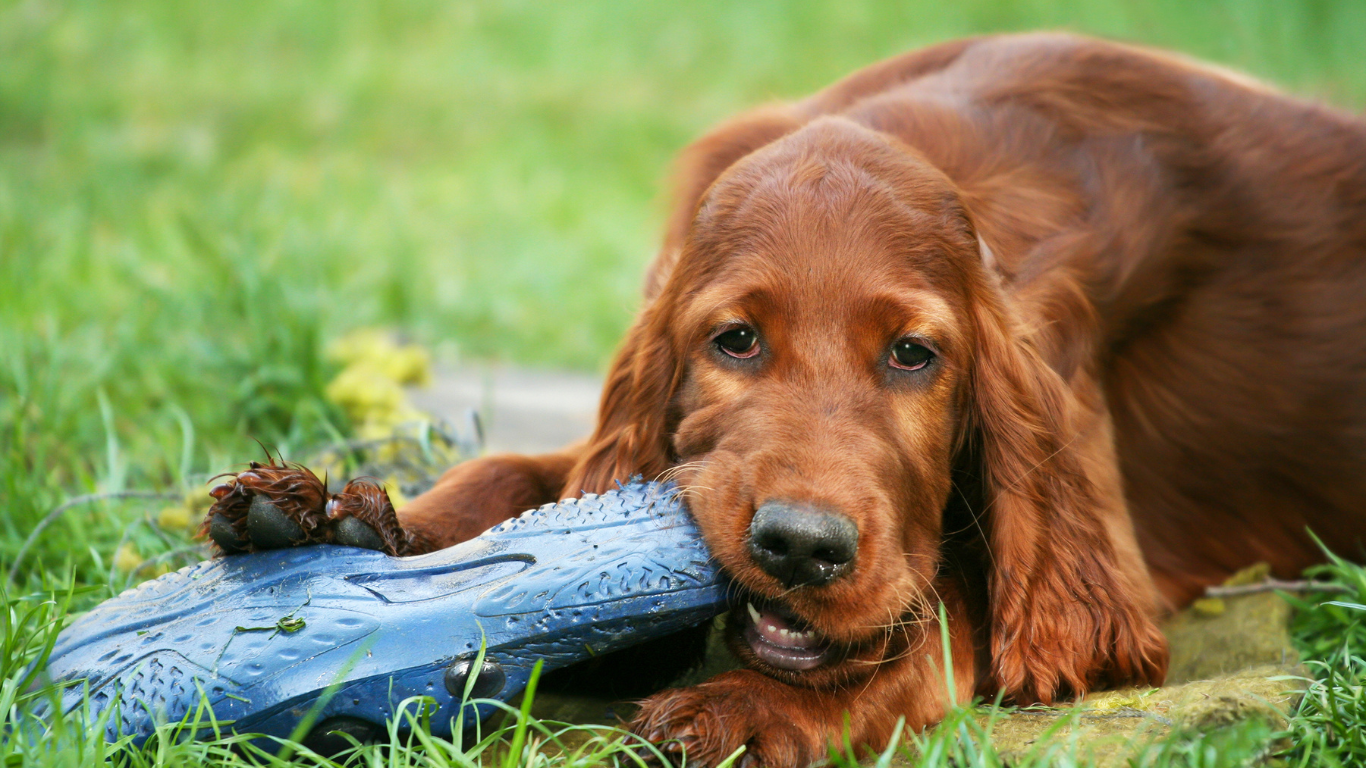
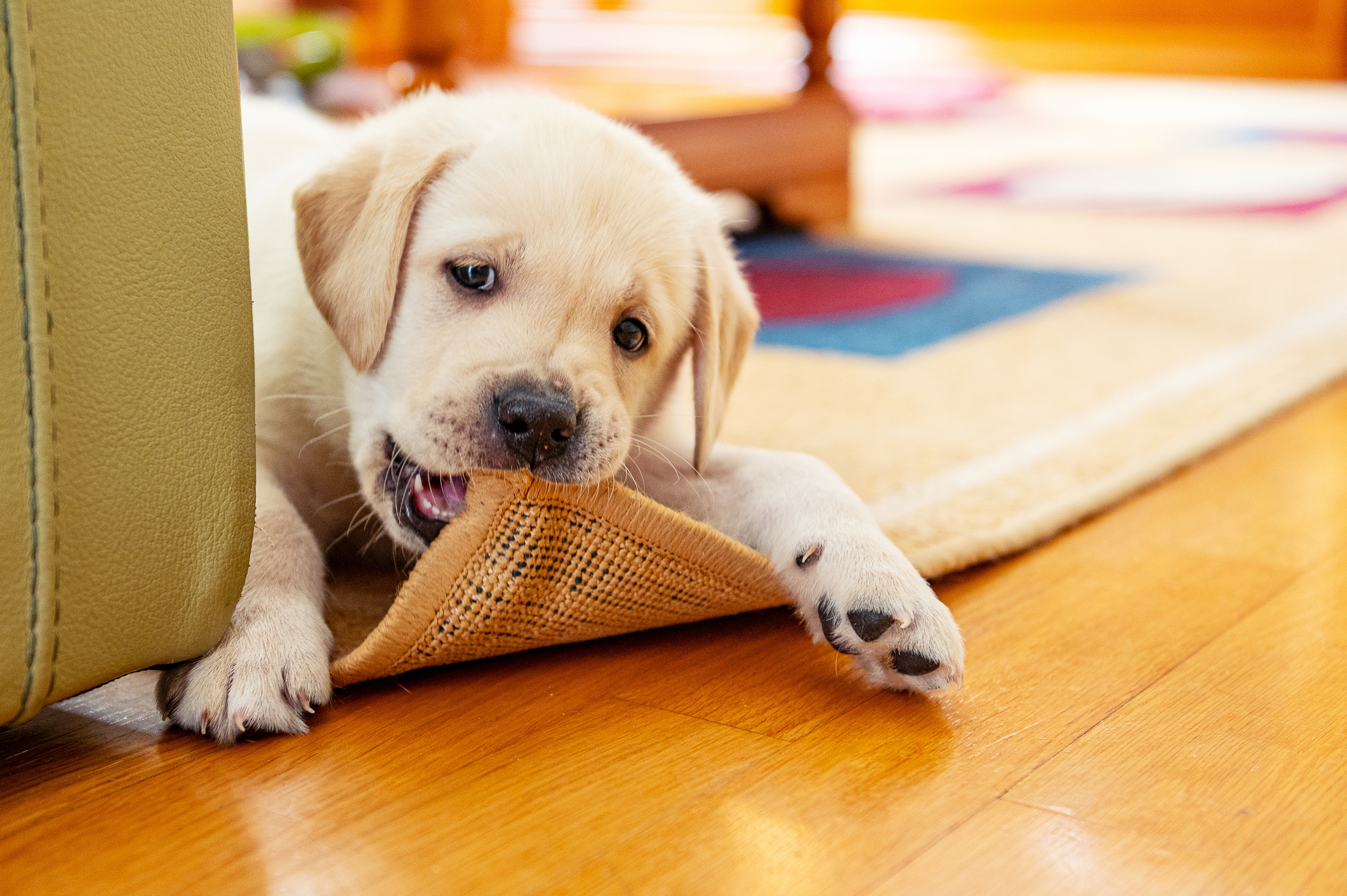


Chewing is another common dog habit, especially in puppies.
Why Dogs Chew:
- Teething (in puppies)
- Boredom
- Anxiety
- Exploring
- Dental health
Provide safe chew toys to prevent damage to furniture and shoes. Regular exercise also reduces destructive chewing.
5. Digging


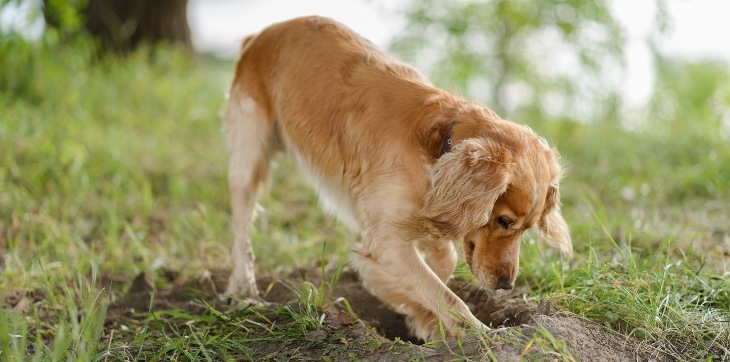
Digging is a natural instinct. In the wild, dogs dig to:
- Hide food
- Create a cool resting spot
- Hunt small animals
- Feel safe
Some breeds are more prone to digging. If digging becomes excessive, provide mental stimulation and training.
6. Licking
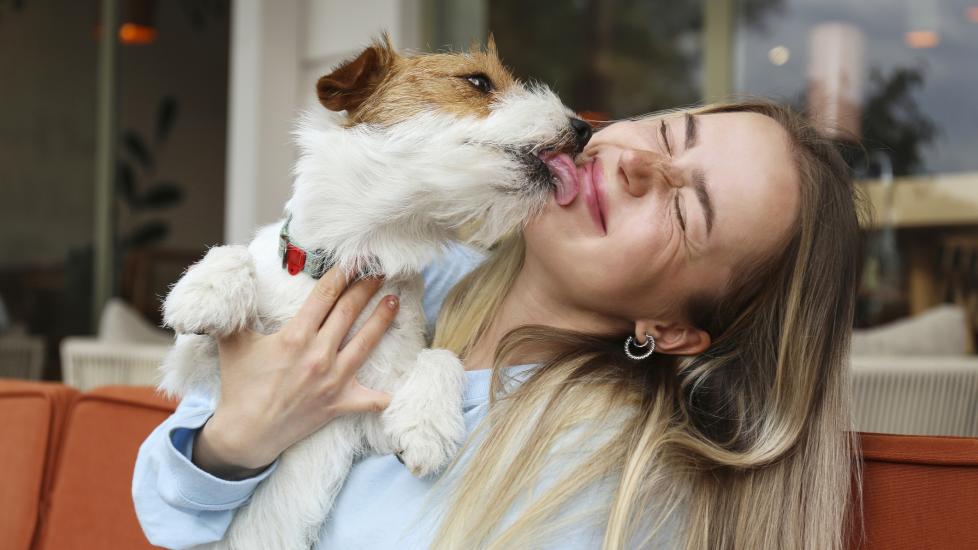
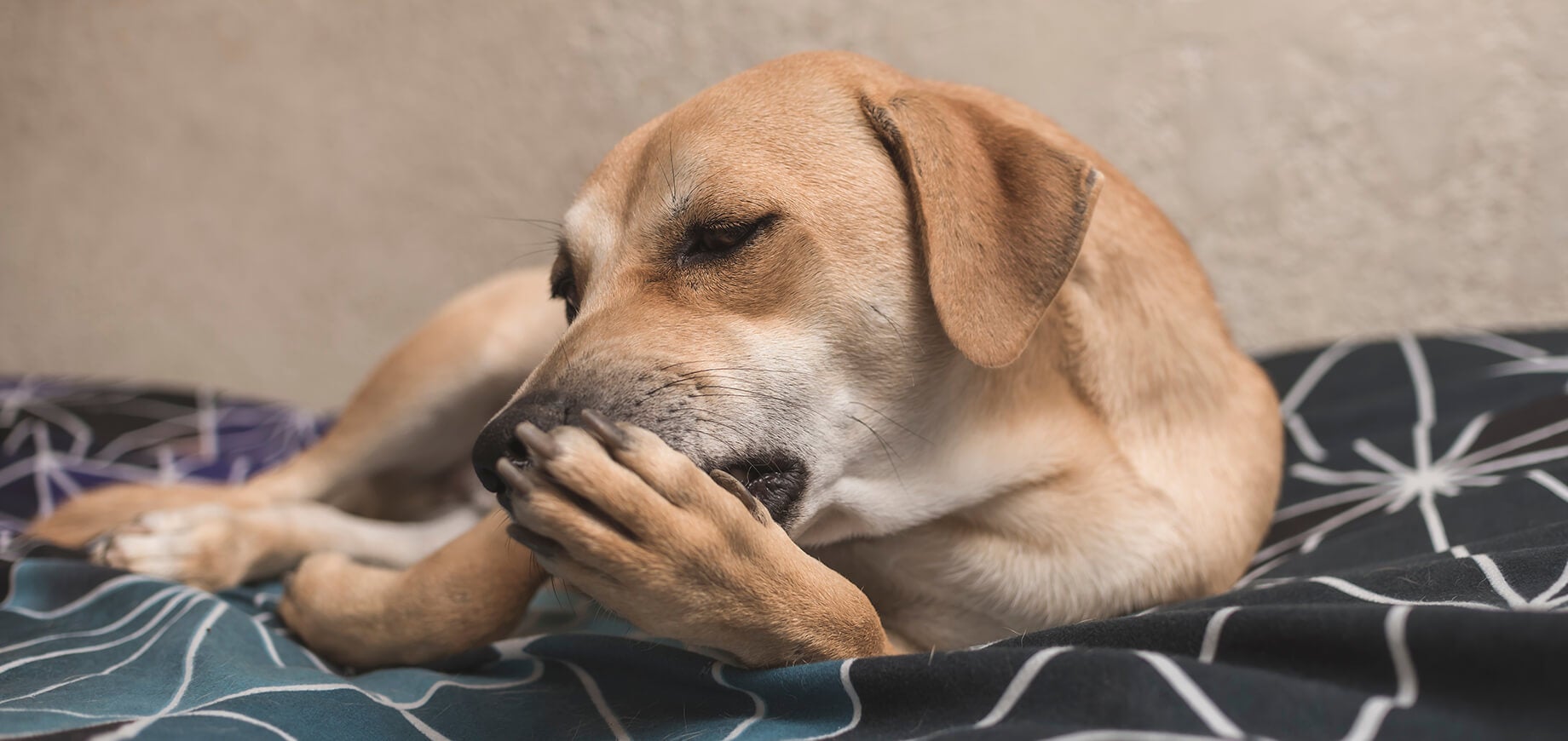
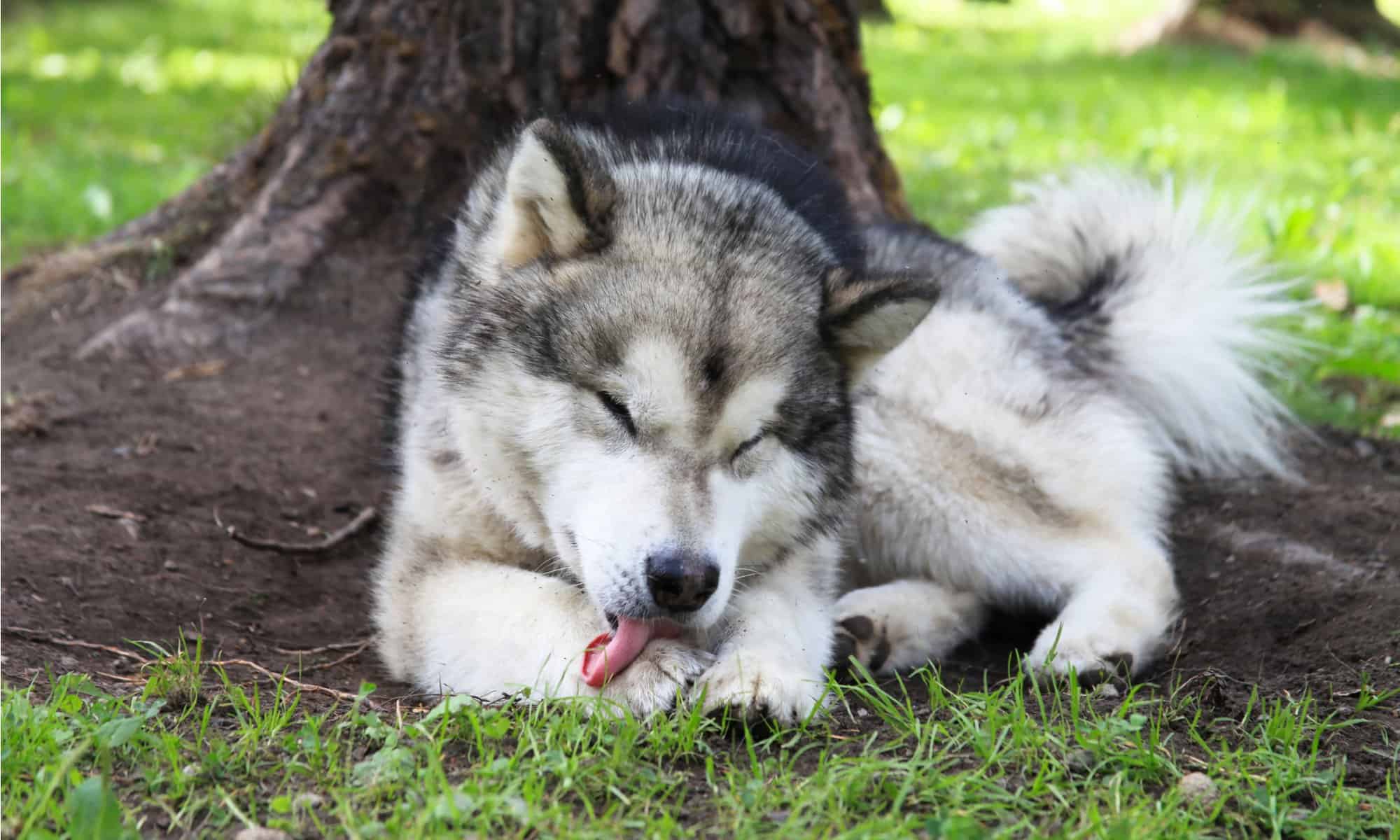
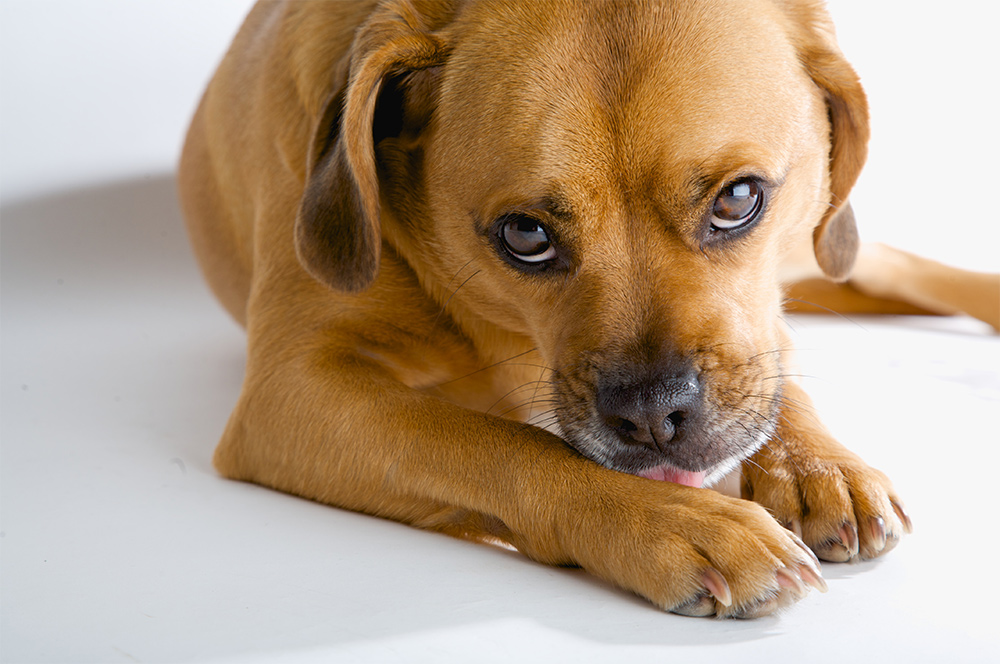
Dogs lick for many reasons:
- Showing affection
- Grooming themselves
- Exploring taste
- Reducing anxiety
- Seeking attention
However, constant paw licking may signal allergies or skin problems. If licking becomes obsessive, consult a veterinarian.
7. Circling Before Lying Down
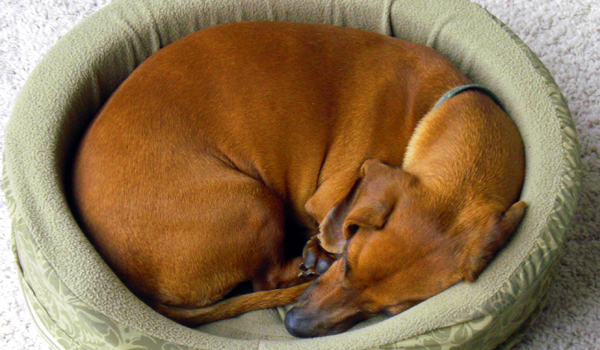



Many dogs circle before sleeping. This habit comes from their wild ancestors who flattened grass to create a comfortable sleeping area.
This behavior is completely normal and harmless.
8. Following Their Owner Everywhere
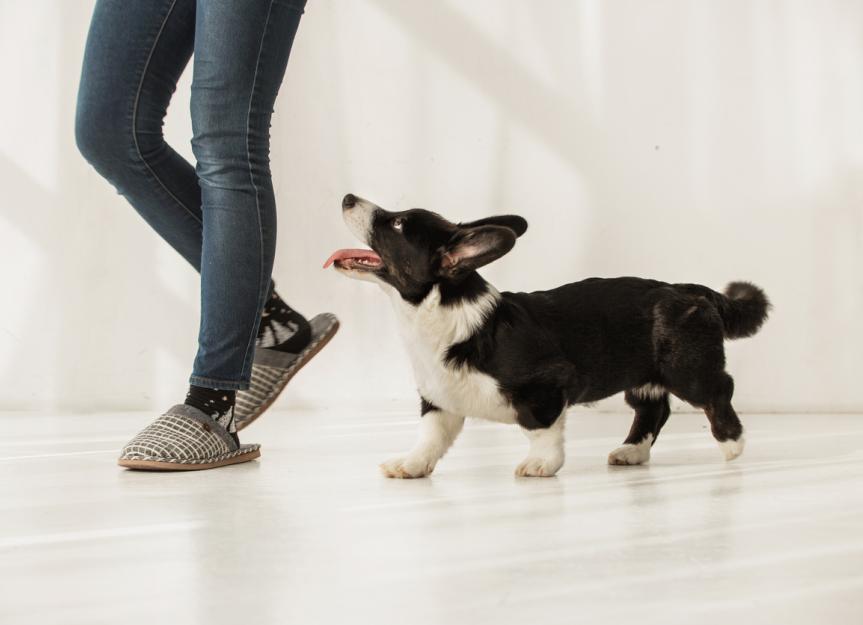

Dogs are social animals. Following their owner is a sign of:
- Loyalty
- Attachment
- Protection
- Curiosity
While it shows love, extreme dependency may lead to separation anxiety. Gradual training helps build confidence.
9. Rolling on the Ground
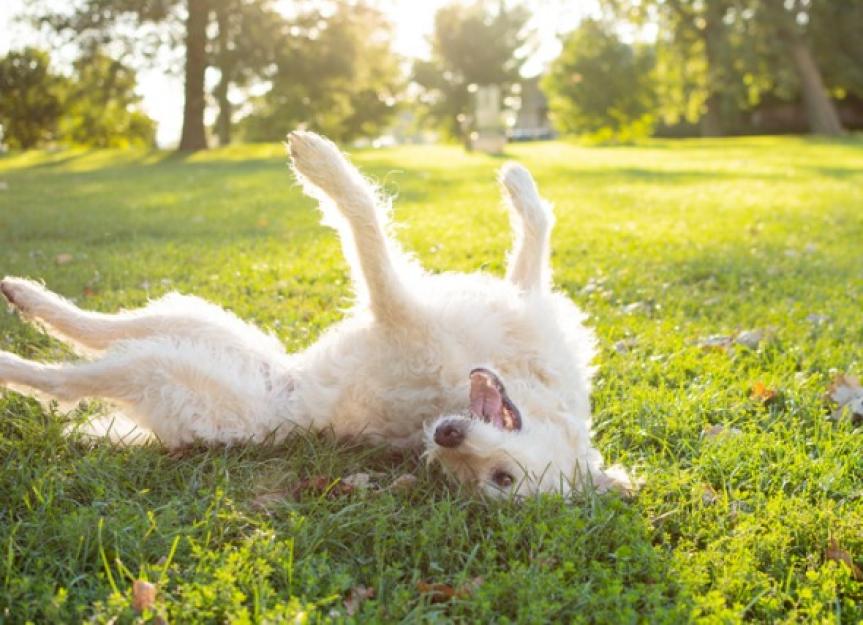


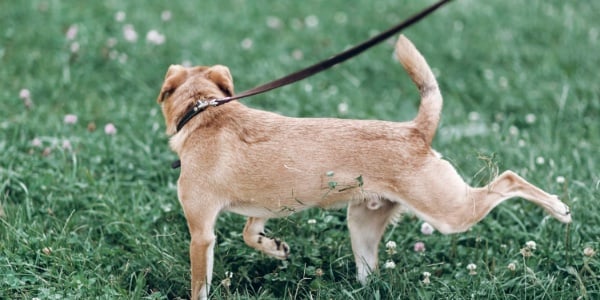
Dogs roll for different reasons:
- To scratch an itch
- To mark scent
- To show submission
- To express happiness
If rolling happens frequently with scratching, check for fleas or skin irritation.
10. Begging for Food


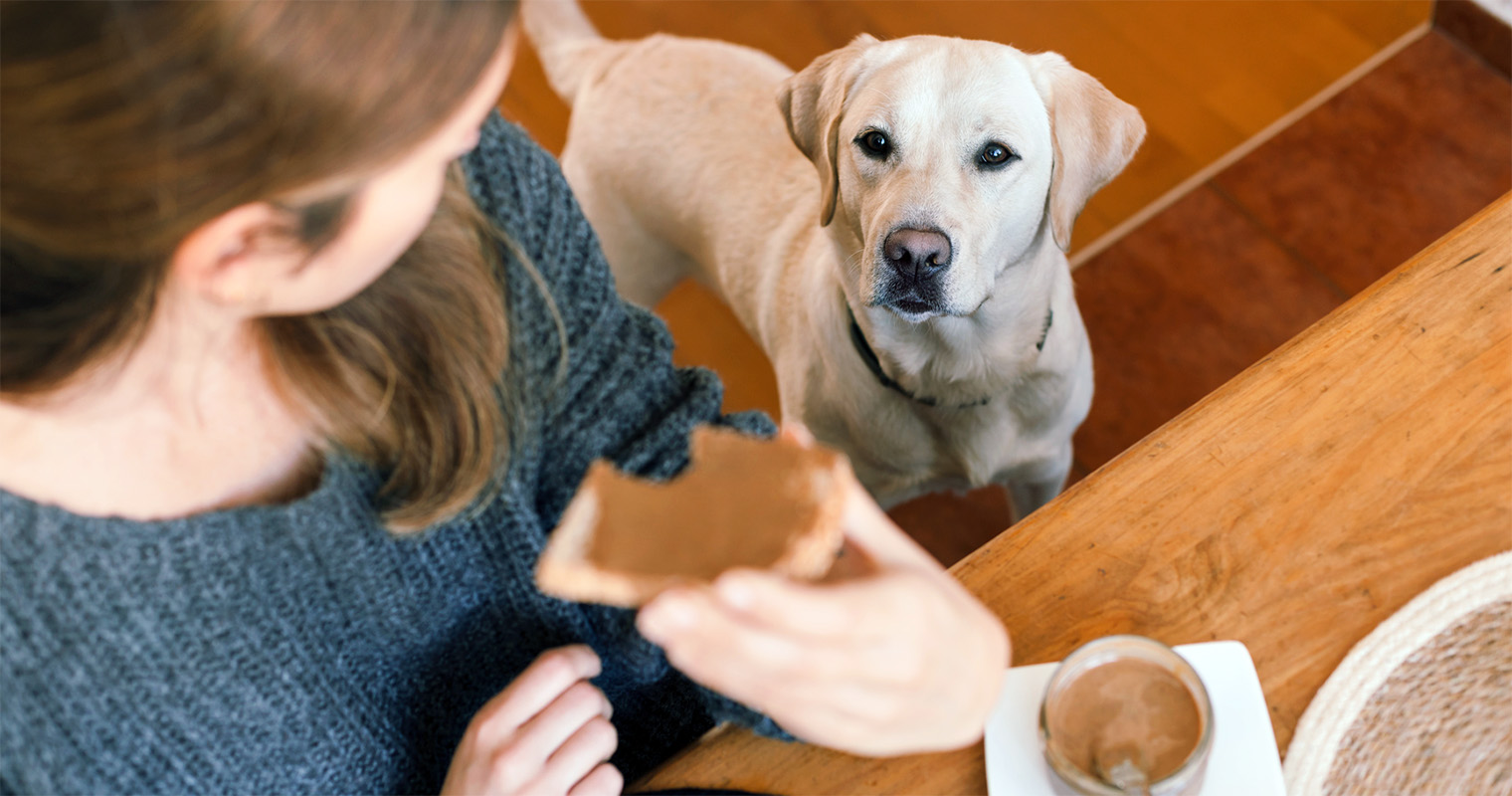
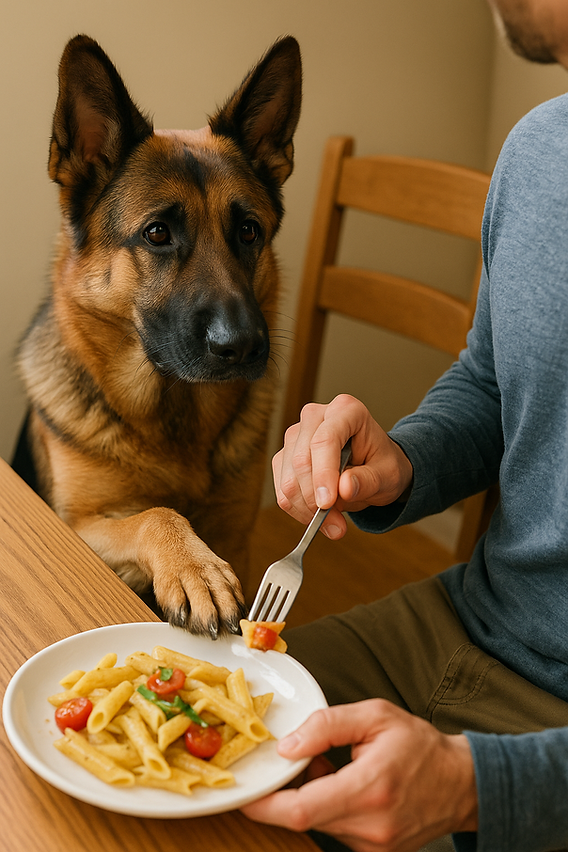
Begging is a learned habit. Dogs quickly understand that cute behavior can earn food.
Avoid feeding from the table, as it encourages bad habits and can cause digestive issues. Stick to a proper feeding routine.
Healthy vs. Problematic Habits
Not all habits are bad. Some are natural instincts, while others may indicate problems.
Healthy Habits:
- Regular sleeping pattern
- Playfulness
- Normal appetite
- Grooming behavior
Warning Signs:
- Sudden aggression
- Loss of appetite
- Excessive scratching
- Continuous barking
- Unusual tiredness
If you notice sudden changes in behavior, consult a professional veterinarian.
How to Encourage Good Dog Habits
- Provide Regular Exercise
Daily walks and playtime keep dogs mentally and physically healthy. - Offer Mental Stimulation
Puzzle toys and training sessions prevent boredom. - Consistent Training
Positive reinforcement works best. Reward good behavior. - Balanced Diet
Proper nutrition supports energy and mood stability. - Routine Veterinary Checkups
Regular health checks ensure early detection of issues.
Why Understanding Dog Habits Is Important
Understanding your dog’s habits helps you:
- Build a strong relationship
- Prevent behavior problems
- Improve communication
- Ensure safety
- Support emotional well-being
Dogs do not speak human language, but their habits are powerful communication tools.
Conclusion
Dog habits are natural behaviors shaped by instinct, environment, and training. From tail wagging and barking to digging and licking, each habit has meaning. Instead of punishing natural behaviors, pet owners should understand the reason behind them.
With proper care, training, and attention, you can guide your dog toward healthy habits and create a loving, balanced relationship. A happy dog is a well-understood dog.