
Dog ear infection is one of the most common health problems in pets. Many dog owners notice their dog scratching ears constantly, shaking their head, or having a bad smell coming from the ears. If left untreated, an ear infection can become painful and lead to serious complications.
In this complete guide, you’ll learn everything about dog ear infection, including causes, symptoms, treatment options, home care, and prevention tips.
What Is a Dog Ear Infection?
A dog ear infection happens when bacteria, yeast, or parasites grow inside the ear canal. Dogs are more prone to ear infections than humans because of their ear structure. Their ear canals are long and L-shaped, which traps moisture and debris easily.
There are three main types of ear infections in dogs:
- Otitis Externa – Infection of the outer ear canal (most common)
- Otitis Media – Infection of the middle ear
- Otitis Interna – Infection of the inner ear (serious condition)
Early treatment is very important to prevent the infection from spreading deeper into the ear.
Common Causes of Dog Ear Infection
Several factors can cause ear infections in dogs. Understanding the cause helps in proper treatment.
1. Bacteria and Yeast
Excess moisture creates a perfect environment for bacteria and yeast to grow. This often happens after bathing or swimming.
2. Allergies
Food allergies or environmental allergies (dust, pollen) are one of the biggest causes of recurring ear infections.
3. Ear Mites
Ear mites are tiny parasites that cause intense itching, especially in puppies.
4. Excess Hair in Ear Canal
Some breeds grow thick hair inside their ears, which traps dirt and moisture.
5. Moisture
Dogs that swim frequently or have floppy ears are at higher risk because moisture stays trapped inside.
Breeds More Prone to Ear Infections
Certain dog breeds are more likely to develop ear infections due to their ear shape or hair growth.


- Cocker Spaniel – Long floppy ears trap moisture.
- Basset Hound – Heavy ears limit airflow.
- Labrador Retriever – Loves swimming.
- Poodle – Thick hair grows inside ears.
If you own one of these breeds, regular ear cleaning is very important.
Symptoms of Dog Ear Infection
Recognizing symptoms early can prevent complications. Here are common signs:
- Constant ear scratching
- Head shaking
- Redness inside ear
- Swelling
- Bad smell from ear
- Yellow, brown, or black discharge
- Pain when touching ears
- Crusting or scabs
Severe Symptoms (Emergency Signs)
If infection spreads to the inner ear, you may notice:
- Loss of balance
- Walking in circles
- Head tilt
- Hearing loss
If you see these symptoms, contact a veterinarian immediately.
How Veterinarians Diagnose Ear Infection
A vet will:
- Examine the ear using an otoscope
- Check for mites, bacteria, or yeast
- Take a sample for microscopic examination
- In severe cases, recommend lab tests
Proper diagnosis is important because bacterial and yeast infections require different medications.
Dog Ear Infection Treatment
Treatment depends on the cause and severity of infection.
1. Ear Cleaning
The vet will clean the ear professionally before applying medication.
2. Antibiotic Ear Drops
Used for bacterial infections.
3. Antifungal Medication
Used for yeast infections.
4. Anti-inflammatory Medicine
Reduces swelling and pain.
5. Oral Antibiotics
Needed in severe or deep infections.
Treatment usually lasts 7–14 days, but chronic infections may require longer care.
Can You Treat Dog Ear Infection at Home?
Mild cases may improve with proper cleaning, but home treatment should be done carefully.
Safe Home Care Tips:
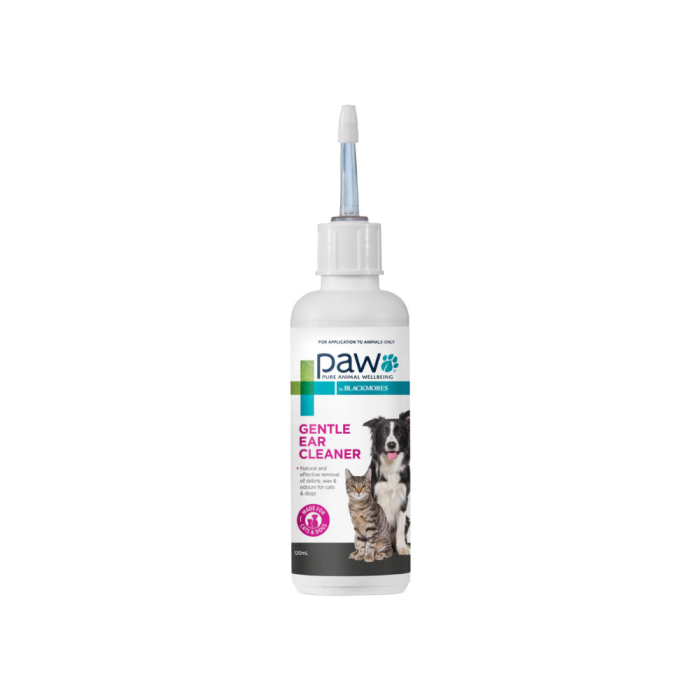
- Use vet-approved ear cleaning solution
- Gently wipe with cotton (never use cotton swabs deep inside)
- Keep ears dry after bathing
- Do not use human medications
⚠️ Important: If symptoms do not improve within 2–3 days, visit a veterinarian.
How to Clean Your Dog’s Ears Properly
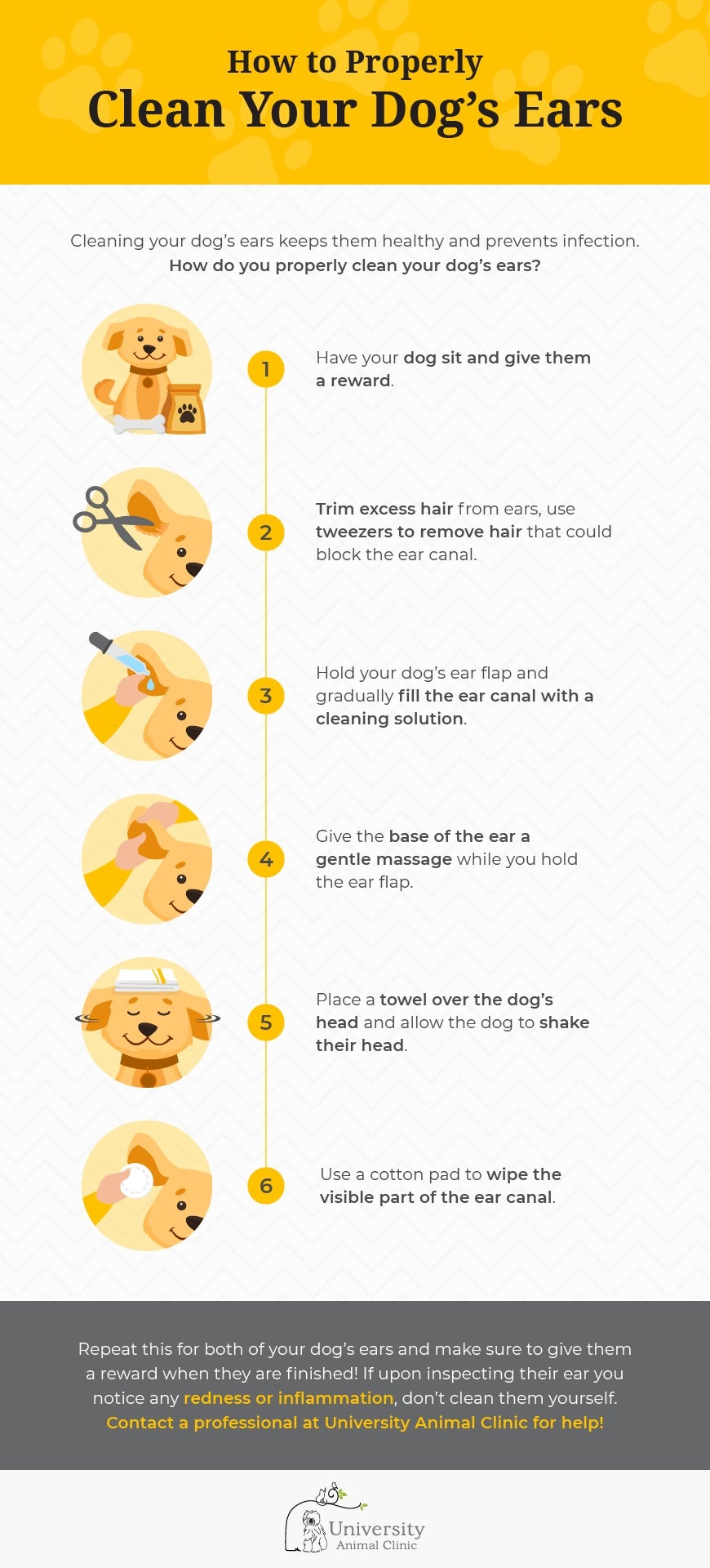

Follow these steps:
- Fill ear canal with cleaning solution.
- Massage the base of the ear for 20–30 seconds.
- Let your dog shake their head.
- Wipe debris with clean cotton.
- Dry ears completely.
Clean ears once a week for prevention, especially if your dog swims often.
Natural Remedies (Are They Safe?)
Some owners try home remedies like:
- Apple cider vinegar (diluted)
- Coconut oil
- Aloe vera
While these may help in mild yeast cases, they can irritate inflamed ears. Always consult a vet before using natural remedies.
How to Prevent Dog Ear Infections
Prevention is better than treatment. Here are expert tips:
✔ Keep Ears Dry
Dry ears after bathing or swimming.
✔ Regular Cleaning
Clean ears weekly if your dog is prone to infections.
✔ Manage Allergies
Treat food or environmental allergies early.
✔ Regular Grooming
Trim excess hair inside ears (if needed).
✔ Healthy Diet
Strong immune system reduces infection risk.
Chronic and Recurring Ear Infections
If your dog keeps getting ear infections, underlying problems may include:
- Food allergies
- Hormonal imbalance
- Autoimmune disease
- Poor ear cleaning habits
In chronic cases, vets may suggest long-term management plans.
How Long Does a Dog Ear Infection Take to Heal?
- Mild infection: 7–10 days
- Moderate infection: 2–3 weeks
- Severe infection: 1 month or more
Always complete the full medication course, even if symptoms improve early.
Is Dog Ear Infection Contagious?
- Bacterial and yeast infections are usually not contagious.
- Ear mites are contagious between pets.
If you have multiple pets, isolate infected animals if mites are present.
When to See a Vet Immediately
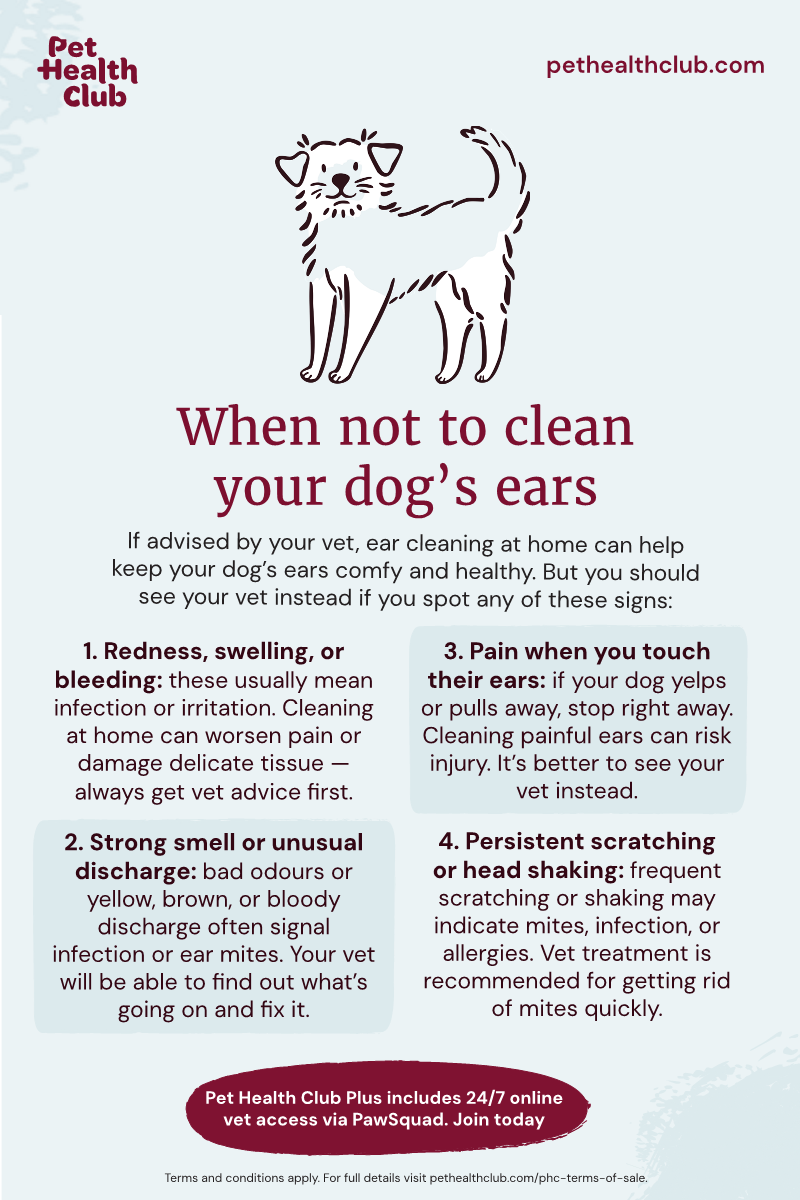
Visit a vet if you notice:
- Head tilt
- Loss of balance
- Severe pain
- Thick discharge
- Bleeding from ear
- No improvement after home care
Delaying treatment can lead to permanent hearing damage.
Frequently Asked Questions (FAQ)
1. Can dog ear infection go away on its own?
Mild irritation may improve, but most infections require treatment.
2. What does a yeast ear infection look like in dogs?
Usually dark brown discharge with strong odor.
3. How much does treatment cost?
Cost depends on severity but typically ranges from basic consultation fees to medication expenses.
4. Can I use hydrogen peroxide?
No. It can damage sensitive ear tissues.
Final Thoughts
Dog ear infection is a common but treatable condition. Early detection, proper cleaning, and veterinary care are key to preventing complications. If your dog shows symptoms like scratching, head shaking, or discharge, take action quickly.
With regular ear maintenance and proper care, you can keep your dog healthy, happy, and infection-free.