
Cystic Acne Treatment: Complete Guide
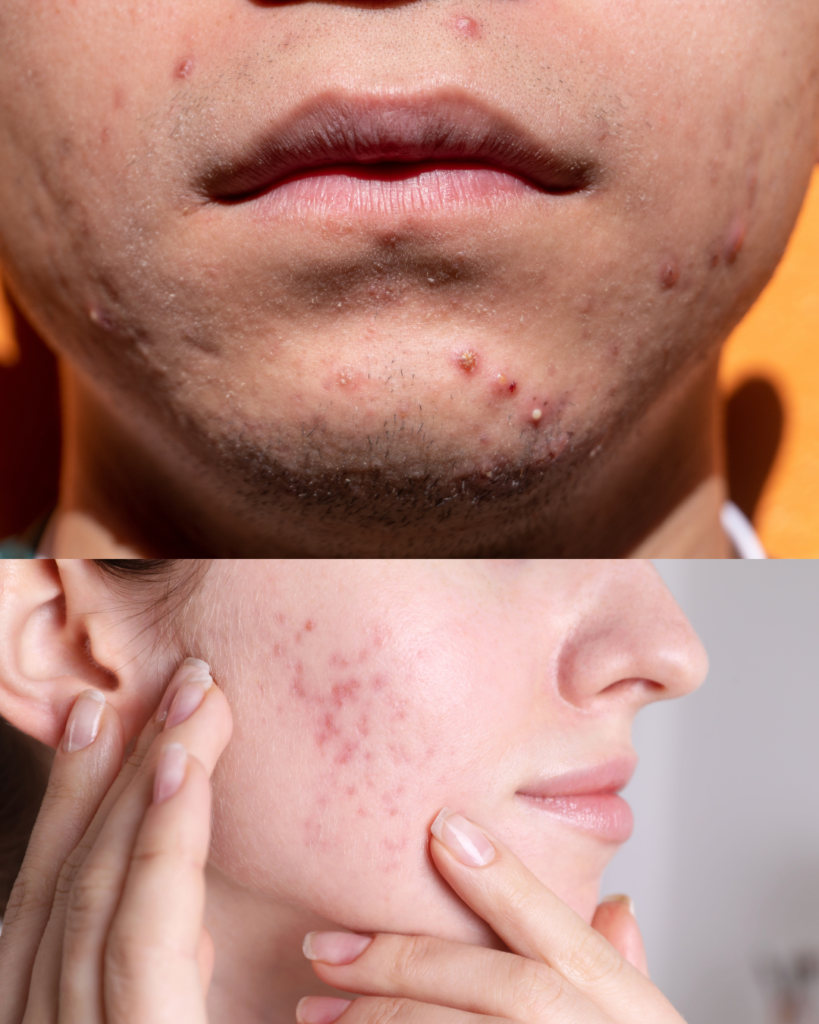
Cystic acne is one of the most severe forms of acne and can be painful, inflamed, and difficult to treat. Unlike regular pimples, cystic acne forms deep under the skin and often causes swelling, redness, and long-lasting scars.
Many people struggle with cystic acne during their teenage years, but it can also affect adults due to hormonal changes, stress, or poor skincare habits. Because cystic acne develops deeper in the skin, it requires proper treatment and consistent care.
In this complete guide, you will learn what cystic acne is, what causes it, and the most effective cystic acne treatment methods.
What Is Cystic Acne?
Cystic acne is a severe type of acne that occurs when pores become deeply blocked with oil, dead skin cells, and bacteria. This blockage causes large, inflamed cysts that form beneath the surface of the skin.
These cysts are usually painful and may contain pus. They can appear on different parts of the body such as the face, chin, jawline, chest, shoulders, and back.
Cystic acne often takes longer to heal than regular pimples and can leave permanent scars if not treated properly.
Common Causes of Cystic Acne
Understanding the cause of cystic acne is important for choosing the right treatment.
Hormonal Changes
Hormonal fluctuations are one of the main causes of cystic acne. Hormones can increase oil production in the skin, which leads to clogged pores and inflammation.
Hormonal acne is common during:
- Teenage years
- Menstrual cycles
- Pregnancy
- Hormonal disorders
Excess Oil Production
The skin produces natural oil called sebum. When too much oil is produced, it can mix with dead skin cells and block pores.
This blockage creates the perfect environment for bacteria to grow.
Bacteria Growth
A type of bacteria known as Cutibacterium acnes can grow inside clogged pores. This bacteria causes infection and inflammation, leading to painful cysts.
Genetics
Some people are more likely to develop cystic acne because of their family history. If your parents had severe acne, you may also experience similar skin problems.
Stress
Stress increases certain hormones that stimulate oil production in the skin. This can make acne worse.
Poor Skincare Products
Using heavy, oily, or pore-clogging cosmetics can trigger cystic acne. Products that contain harsh chemicals may also irritate the skin.
Signs and Symptoms of Cystic Acne
Cystic acne can easily be recognized by its symptoms.
Common signs include:
- Large painful bumps under the skin
- Red or purple inflammation
- Pus-filled cysts
- Swelling around pimples
- Acne scars after healing
These cysts may remain on the skin for several weeks.
Best Cystic Acne Treatment Options
Treating cystic acne often requires a combination of skincare treatments and lifestyle changes.
1. Benzoyl Peroxide
Benzoyl peroxide is one of the most common acne treatments. It works by killing acne-causing bacteria and reducing inflammation.
It also helps unclog pores and prevent future breakouts.
2. Salicylic Acid
Salicylic acid is another effective ingredient for treating acne. It removes dead skin cells and clears blocked pores.
This ingredient is commonly found in cleansers, toners, and spot treatments.
3. Retinoids
Retinoids are vitamin A-based medications that help speed up skin cell turnover. They prevent clogged pores and reduce inflammation.
Retinoids are often recommended for moderate to severe acne.
4. Antibiotics
Doctors sometimes prescribe oral or topical antibiotics to reduce bacteria and inflammation in the skin.
Antibiotics are usually used for a short period to control severe acne.
5. Isotretinoin
For severe cystic acne that does not respond to other treatments, dermatologists may prescribe isotretinoin.
This medication significantly reduces oil production and can permanently improve severe acne in many patients.
However, it must be taken under medical supervision.
Natural Remedies for Cystic Acne
Some natural remedies may help reduce inflammation and improve skin health.
1. Tea Tree Oil
Tea tree oil has natural antibacterial properties that help fight acne-causing bacteria.
Dilute a few drops with water and apply gently to the affected area.
2. Aloe Vera
Aloe vera soothes irritated skin and reduces redness.
Apply fresh aloe vera gel directly to acne spots before sleeping.
3. Green Tea
Green tea contains antioxidants that reduce inflammation.
Applying cooled green tea to the skin may help calm acne.
4. Honey
Honey has antibacterial properties that help fight infection.
Applying a thin layer of honey to acne spots may reduce inflammation.
Skincare Routine for Cystic Acne
A proper skincare routine is essential for managing cystic acne.
Step 1: Gentle Cleanser
Wash your face twice daily with a mild cleanser to remove dirt and oil.
Step 2: Acne Treatment
Apply products containing salicylic acid or benzoyl peroxide.
Step 3: Moisturizer
Use an oil-free moisturizer to keep the skin hydrated.
Step 4: Sunscreen
Apply sunscreen every day to protect the skin from sun damage.
Foods That Help Improve Acne
Your diet can influence skin health.
Foods that support healthy skin include:
- Fruits rich in vitamin C
- Leafy green vegetables
- Nuts and seeds
- Fish rich in omega-3 fatty acids
These foods help reduce inflammation in the body.
Foods That May Worsen Acne
Certain foods may trigger acne in some people.
These include:
- Sugary foods
- Fast food
- Dairy products
- Highly processed snacks
Reducing these foods may help improve acne.
Tips to Prevent Cystic Acne
Prevention plays a major role in maintaining clear skin.
Follow these tips:
- Wash your face regularly
- Avoid touching your face
- Use non-comedogenic skincare products
- Manage stress levels
- Get enough sleep
- Drink plenty of water
Consistency is key when it comes to acne prevention.
When to See a Dermatologist
You should consider visiting a dermatologist if:
- Acne is painful and severe
- Pimples leave scars
- Over-the-counter treatments do not work
- Acne spreads across large areas of the body
Professional treatment can help control acne and prevent permanent scarring.
Final Thoughts
Cystic acne is a challenging skin condition, but it can be treated successfully with the right approach. Understanding the causes of cystic acne and using effective treatment methods can significantly improve your skin.
Combining proper skincare, healthy lifestyle habits, and medical treatments when necessary can help reduce cystic acne and prevent future breakouts.
Remember that treating cystic acne takes time and patience. With consistent care and the right products, you can achieve clearer, healthier skin.