
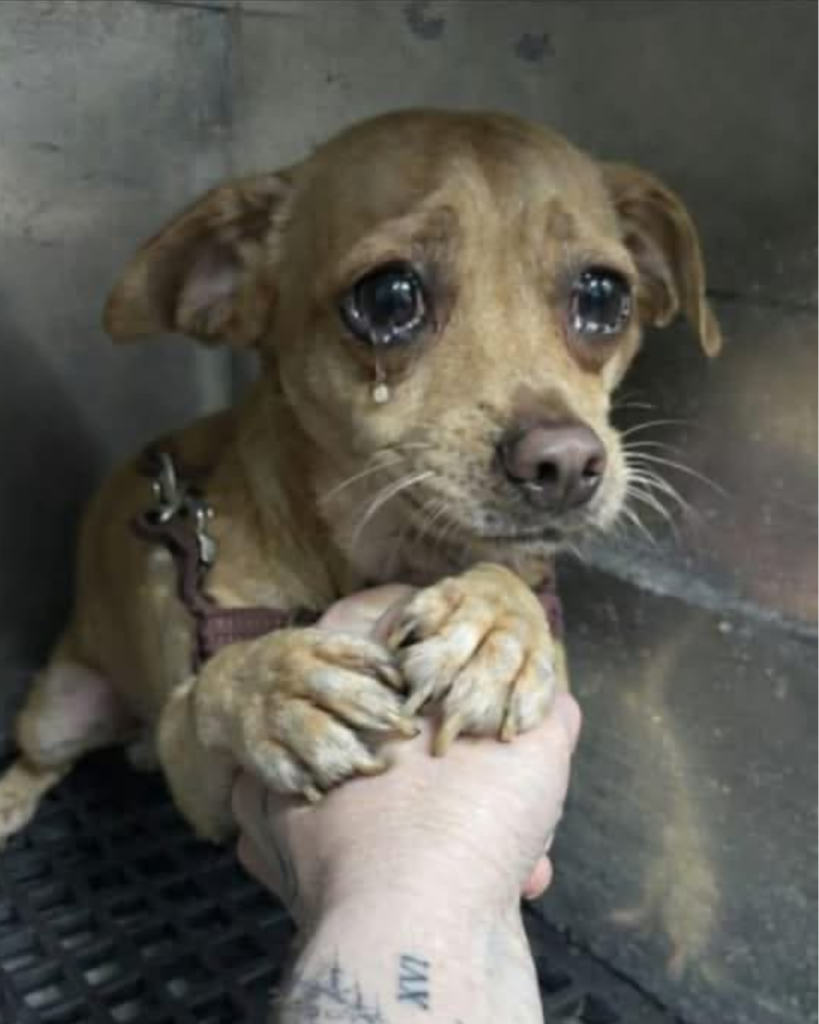
Can I Give My Dog Benadryl A Complete Safety Guide for Pet Owners
If your dog is scratching constantly, suffering from allergies, or dealing with a mild allergic reaction, you might wonder: Can I give my dog Benadryl? This is one of the most common questions pet owners ask when looking for quick relief for their furry friend.
The short answer is: Yes, in many cases Benadryl can be given to dogs — but only with proper dosage and veterinary guidance.
In this detailed guide, we will cover:
- What Benadryl is
- When it is safe for dogs
- Correct dosage
- Side effects
- When NOT to give it
- Safer alternatives
- Frequently asked questions
Let’s dive in.
What Is Benadryl?
Benadryl is the brand name for diphenhydramine, an antihistamine medication used in humans to treat:
- Allergies
- Hay fever
- Insect bites
- Itching
- Mild allergic reactions
It works by blocking histamine, a chemical released during allergic reactions.
Veterinarians sometimes recommend diphenhydramine for dogs as well, but it must be used carefully.
Why Would a Dog Need Benadryl?
Benadryl is commonly used in dogs for:
1. Allergies
Dogs can suffer from seasonal allergies, food allergies, or environmental allergies. Symptoms include:
- Itchy skin
- Redness
- Excessive licking
- Sneezing
2. Insect Bites or Stings
If your dog is stung by a bee or bitten by insects, Benadryl may reduce swelling and itching.
3. Mild Allergic Reactions
Some dogs react to vaccines, medications, or new foods. Benadryl can sometimes help manage mild reactions.
4. Motion Sickness
It may help calm dogs during travel.
5. Anxiety (Mild Sedation)
Benadryl can make dogs sleepy, which may slightly calm anxious dogs.
Is Benadryl Safe for Dogs?
In general, Benadryl is considered safe for most healthy dogs when given in the correct dose.
However, it is NOT safe for all dogs.
You should always talk to a veterinarian before giving your dog any medication, especially if your dog:
- Is pregnant
- Has heart disease
- Has glaucoma
- Has high blood pressure
- Has thyroid problems
- Has liver disease
Correct Benadryl Dosage for Dogs
The commonly recommended dosage is:
1 mg per pound of body weight (2 mg per kg)
Given every 8 to 12 hours.
Example Dosage:
- 10 lb dog → 10 mg
- 25 lb dog → 25 mg
- 50 lb dog → 50 mg
Benadryl tablets usually come in:
- 25 mg tablets
- 50 mg tablets
⚠️ Always confirm dosage with your veterinarian before giving it.
How to Give Benadryl to Your Dog
You can give Benadryl in:
- Tablet form
- Liquid form (make sure it does NOT contain xylitol or alcohol)
Important Warning
Some liquid Benadryl products contain xylitol, which is extremely toxic to dogs. Always check the ingredient list carefully.
Side Effects of Benadryl in Dogs
Like any medication, Benadryl can cause side effects.
Common Side Effects:
- Drowsiness
- Dry mouth
- Urinary retention
- Mild stomach upset
Less Common but Serious Side Effects:
- Vomiting
- Diarrhea
- Rapid heartbeat
- Extreme lethargy
- Agitation
If your dog shows severe symptoms, contact a veterinarian immediately.
When Should You NOT Give Your Dog Benadryl?
Do NOT give Benadryl if your dog:
- Has difficulty breathing
- Has severe allergic reaction (anaphylaxis)
- Is on certain medications
- Has glaucoma
- Has heart disease
For severe allergic reactions, emergency veterinary care is required immediately.
Benadryl is NOT a replacement for professional treatment.
Can Benadryl Treat Severe Allergies?
No.
Benadryl works best for mild allergic reactions. For chronic or severe allergies, your vet may recommend:
- Prescription antihistamines
- Steroids
- Allergy injections
- Special diet
- Medicated shampoos
Benadryl may not be strong enough for serious skin conditions.
Signs Your Dog Is Having an Allergic Reaction
Watch for:
- Swelling of face or muzzle
- Hives
- Excessive itching
- Vomiting
- Diarrhea
- Trouble breathing
If your dog has trouble breathing, go to an emergency vet immediately.
What Happens If You Give Too Much Benadryl?
Overdose can be dangerous.
Signs of Overdose:
- Extreme sleepiness
- Hyperactivity
- Seizures
- Rapid heart rate
- Collapse
If you suspect overdose, contact a veterinarian immediately.
Alternatives to Benadryl for Dogs
If Benadryl is not suitable, your vet may recommend:
- Cetirizine (Zyrtec)
- Loratadine (Claritin)
- Apoquel (prescription)
- Cytopoint injections
- Omega-3 supplements
Never switch medications without consulting your vet.
Can Puppies Take Benadryl?
Puppies can sometimes take Benadryl, but dosing must be very precise. Always consult a veterinarian before giving medication to a puppy.
Natural Remedies for Mild Allergies
Some mild allergy cases may benefit from:
- Oatmeal baths
- Coconut oil (topical use)
- Omega-3 supplements
- Proper grooming
However, natural remedies are not replacements for veterinary care in serious cases.
Frequently Asked Questions (FAQ)
1. Can I give my dog human Benadryl?
Yes, plain diphenhydramine without added ingredients is usually safe in proper dosage.
2. How long does Benadryl take to work?
It usually starts working within 30–60 minutes.
3. How long does it last?
Effects typically last 8–12 hours.
4. Can I give Benadryl daily?
Some dogs can take it daily short-term, but long-term use should be monitored by a vet.
5. Will Benadryl make my dog sleepy?
Yes, drowsiness is a common side effect.
When to Call the Vet Immediately
Call a veterinarian if your dog has:
- Swelling of throat
- Trouble breathing
- Collapse
- Seizures
- Severe vomiting
These may indicate a life-threatening reaction.
Final Thoughts
So, can you give your dog Benadryl?
Yes — but only:
- In the correct dosage
- Without toxic ingredients
- With veterinary guidance
Benadryl can help with mild allergies, insect bites, and itching, but it is not a cure for serious conditions.
Your dog’s safety always comes first. When in doubt, consult your veterinarian before giving any medication.