
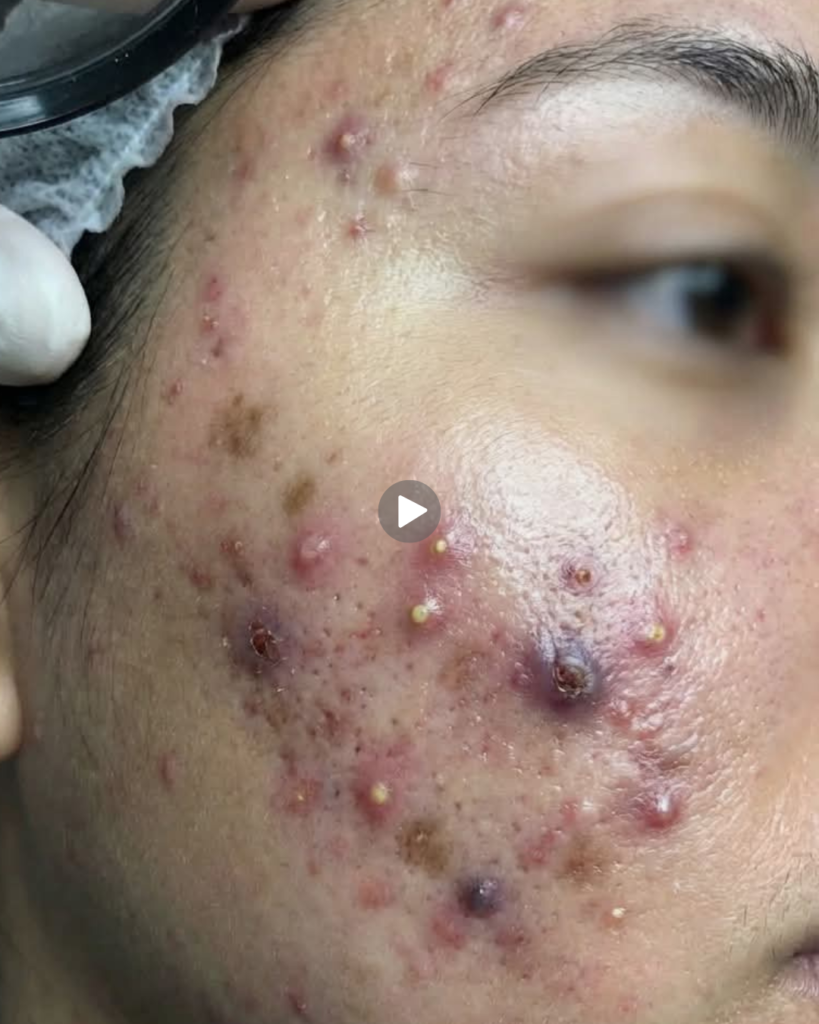
Acne is one of the most common skin concerns worldwide, affecting people of all ages. Among the many types of acne, blackheads and whiteheads are the most basic and frequently seen forms. While they may look similar at first glance, they are actually quite different in terms of formation, appearance, and treatment. Understanding these differences is essential for choosing the right skincare routine and preventing future breakouts.
What Are Blackheads?
Blackheads, also known as open comedones, are small dark spots that appear on the surface of the skin. They usually form on areas where oil production is high, such as the nose, forehead, chin, and sometimes the back or chest.
Blackheads occur when hair follicles become clogged with excess oil (sebum), dead skin cells, and dirt. Unlike other types of acne, the pore remains open. When the trapped material is exposed to air, it oxidizes and turns black—this is why they appear dark in color. It’s important to note that blackheads are not caused by dirt, despite their appearance.
What Are Whiteheads?
Whiteheads, also called closed comedones, are small, flesh-colored or white bumps that appear on the skin. Like blackheads, they are also caused by clogged pores filled with oil and dead skin cells.
The key difference is that in whiteheads, the pore remains closed. This prevents the trapped material from being exposed to air, so it does not oxidize or turn black. As a result, whiteheads maintain a white or skin-toned appearance and often feel slightly raised.
Key Differences Between Blackheads and Whiteheads
Understanding the differences between blackheads and whiteheads can help you treat them effectively:
1. Pore Structure
Blackheads have open pores, while whiteheads have closed pores. This is the most important distinction between the two.
2. Appearance
Blackheads appear dark or black due to oxidation. Whiteheads are white, yellowish, or skin-colored because they are covered by a thin layer of skin.
3. Texture
Blackheads are usually flat or slightly raised, whereas whiteheads tend to be more raised and noticeable to the touch.
4. Risk of Inflammation
Whiteheads are more likely to become inflamed and turn into pimples if bacteria grow inside the closed pore. Blackheads are generally less inflamed.
5. Ease of Removal
Blackheads are often easier to extract because the pore is open. Whiteheads are harder to remove and may require more careful treatment.
Causes of Blackheads and Whiteheads
Both blackheads and whiteheads share similar causes:
- Excess oil production by the skin
- Dead skin cell buildup
- Hormonal changes (especially during puberty)
- Poor skincare habits
- Use of heavy or pore-clogging cosmetics
- Environmental pollution
Certain lifestyle factors, such as stress and diet, may also contribute to their formation.
Treatment Options
Treating blackheads and whiteheads requires a consistent skincare routine and the right products.
1. Cleansing
Wash your face twice daily with a gentle cleanser to remove excess oil and dirt. Avoid harsh scrubbing, as it can irritate the skin.
2. Exfoliation
Regular exfoliation helps remove dead skin cells that clog pores. Chemical exfoliants like salicylic acid are especially effective for both blackheads and whiteheads.
3. Topical Treatments
- Salicylic Acid: Penetrates deep into pores and helps dissolve oil buildup.
- Retinoids: Promote cell turnover and prevent clogged pores.
- Benzoyl Peroxide: Useful for preventing bacterial growth, especially in whiteheads.
4. Pore Strips and Extraction
Pore strips can temporarily remove blackheads, but they are not a long-term solution. Professional extraction by a dermatologist is safer, especially for whiteheads.
5. Moisturizing
Even oily skin needs hydration. Use a non-comedogenic (non-pore-clogging) moisturizer to maintain skin balance.
Prevention Tips
Preventing blackheads and whiteheads is easier than treating them. Here are some helpful tips:
- Keep your skin clean and avoid touching your face frequently
- Use oil-free and non-comedogenic skincare products
- Remove makeup before sleeping
- Avoid squeezing or picking at acne
- Maintain a healthy diet and drink plenty of water
- Change pillowcases regularly to reduce bacteria buildup
When to See a Dermatologist
If blackheads and whiteheads become severe, persistent, or start turning into painful acne, it’s best to consult a dermatologist. Professional treatments like chemical peels, laser therapy, or prescription medications may be required.
Conclusion
Blackheads and whiteheads may seem like minor skin issues, but they can affect your confidence and overall skin health if not treated properly. The main difference lies in whether the pore is open or closed, which affects their appearance and treatment approach. By understanding these differences and following a proper skincare routine, you can effectively manage and prevent both types of acne.
Taking care of your skin consistently is the key to achieving a clear and healthy complexion.