
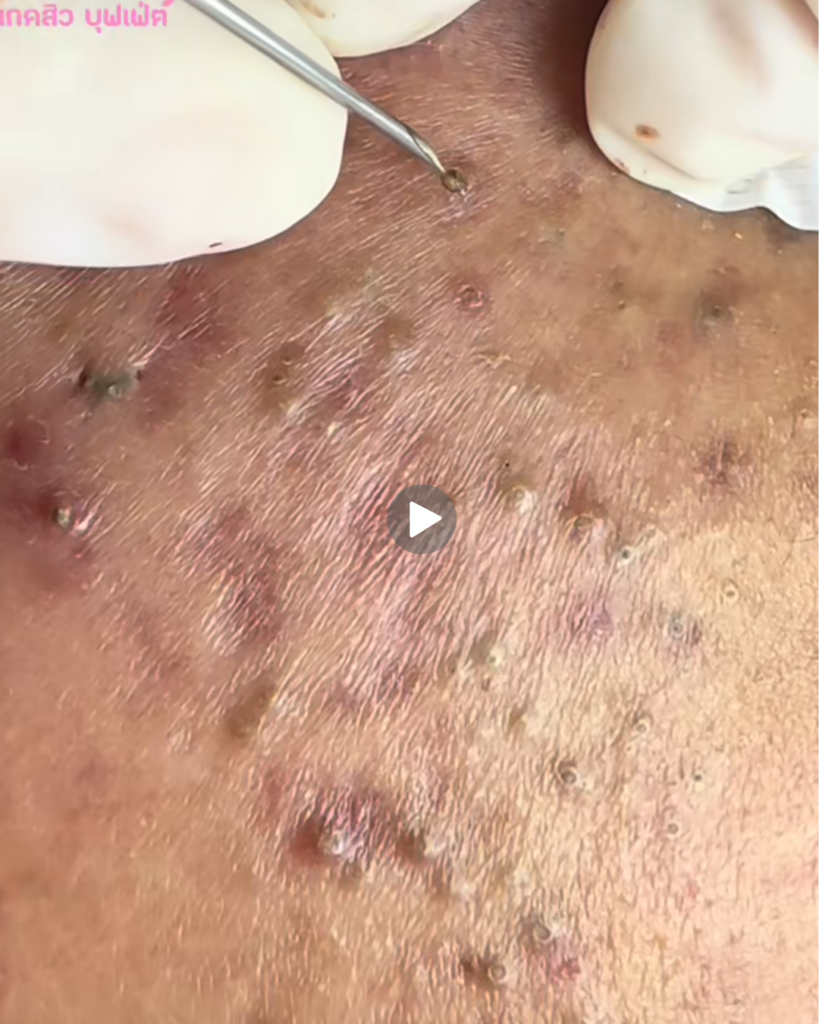
Acne is one of the most common skin problems affecting people of all ages. While mild acne can be manageable, some types become painful and more severe—especially when they fill with yellow pus. This type of acne is often referred to as pus-filled acne, infected pimples, or medically as pustules.
If you are experiencing acne that produces yellow discharge (zard mawaad), it is a sign of inflammation and possible infection. In this complete guide, we will explain the causes, symptoms, treatments, and prevention methods to help you manage and heal your skin effectively.
What Is Pus-Filled Acne?
Pus-filled acne, also known as pustular acne, occurs when pores become clogged with oil, dead skin cells, and bacteria. The body responds to this infection by sending white blood cells to the area, which results in the formation of pus.
This pus is typically yellow or white and is a mixture of:
- Dead skin cells
- Bacteria
- Oil (sebum)
- White blood cells
Common Symptoms of Pus Acne
If you have this type of acne, you may notice:
- Red, swollen bumps on the skin
- Yellow or white center filled with pus
- Pain or tenderness when touched
- Skin irritation and inflammation
- Sometimes itching or burning sensation
These pimples can appear on the face, back, chest, shoulders, and even neck.
Main Causes of Pus-Filled Acne
Understanding the cause is key to proper treatment.
1. Excess Oil Production
When your skin produces too much oil (sebum), it clogs pores and creates an environment for bacteria to grow.
2. Bacterial Infection
The bacteria Propionibacterium acnes (now called Cutibacterium acnes) plays a major role in infected acne.
3. Hormonal Changes
Hormonal imbalance during puberty, stress, or certain conditions increases oil production.
4. Poor Hygiene
Not washing your face regularly or touching your face with dirty hands can worsen acne.
5. Unhealthy Diet
Oily, sugary, and processed foods may trigger acne in some people.
6. Stress
Stress increases hormone levels, which can lead to breakouts.
7. Use of Wrong Skincare Products
Heavy or comedogenic products can block pores and worsen acne.
Types of Pus Acne
1. Pustules
Small red bumps with a yellow or white center.
2. Nodules
Larger, painful lumps under the skin.
3. Cystic Acne
Severe form with deep, pus-filled cysts that can cause scars.
Should You Pop Pus Acne?
It is not recommended to squeeze or pop pimples.
Why?
- It can spread bacteria
- Increase inflammation
- Cause permanent scars
- Lead to deeper infection
If a pimple bursts naturally, clean the area gently and apply antiseptic cream.
Best Treatments for Pus-Filled Acne
1. Proper Cleansing Routine
Wash your face twice daily with a gentle cleanser to remove excess oil and dirt.
2. Use of Topical Treatments
Products containing the following ingredients can help:
- Benzoyl peroxide (kills bacteria)
- Salicylic acid (unclogs pores)
- Retinoids (improve skin turnover)
3. Antibiotic Creams
In moderate to severe cases, doctors may recommend topical or oral antibiotics.
4. Warm Compress
Applying a warm compress can help reduce swelling and promote healing.
5. Keep Skin Moisturized
Use non-comedogenic moisturizers to avoid dryness and irritation.
Home Remedies for Pus Acne
1. Tea Tree Oil
Natural antibacterial properties help reduce acne.
2. Aloe Vera
Soothes inflammation and promotes healing.
3. Honey
Has antibacterial and healing properties.
4. Turmeric Paste
Reduces inflammation and fights bacteria.
5. Ice Application
Helps reduce redness and swelling.
Diet Tips for Acne Control
Your diet plays a big role in skin health.
Eat More:
- Fruits and vegetables
- Foods rich in zinc (nuts, seeds)
- Omega-3 fatty acids (fish, flaxseed)
- Plenty of water
Avoid:
- Oily and fried foods
- Sugary snacks
- Dairy (if it triggers your acne)
- Fast food
Skincare Routine for Acne-Prone Skin
Morning:
- Gentle cleanser
- Light moisturizer
- Sunscreen
Night:
- Cleanser
- Acne treatment (if needed)
- Moisturizer
Consistency is key to seeing results.
How to Prevent Pus Acne
1. Do Not Touch Your Face
Avoid spreading bacteria from hands.
2. Change Pillowcases Regularly
Dirty pillowcases can transfer oil and bacteria.
3. Use Clean Towels
Always use a fresh towel for your face.
4. Avoid Heavy Makeup
Use oil-free and non-comedogenic products.
5. Manage Stress
Exercise, sleep, and relaxation help control hormones.
When to See a Doctor
Consult a dermatologist if:
- Acne is severe or painful
- Pimples keep coming back
- There is excessive pus or swelling
- Scars are forming
A doctor can prescribe stronger treatments for faster recovery.
Final Thoughts
Pus-filled acne can be uncomfortable and frustrating, but it is treatable with the right approach. Maintaining proper hygiene, using effective skincare products, and following a healthy lifestyle can significantly improve your skin condition.