
Introduction
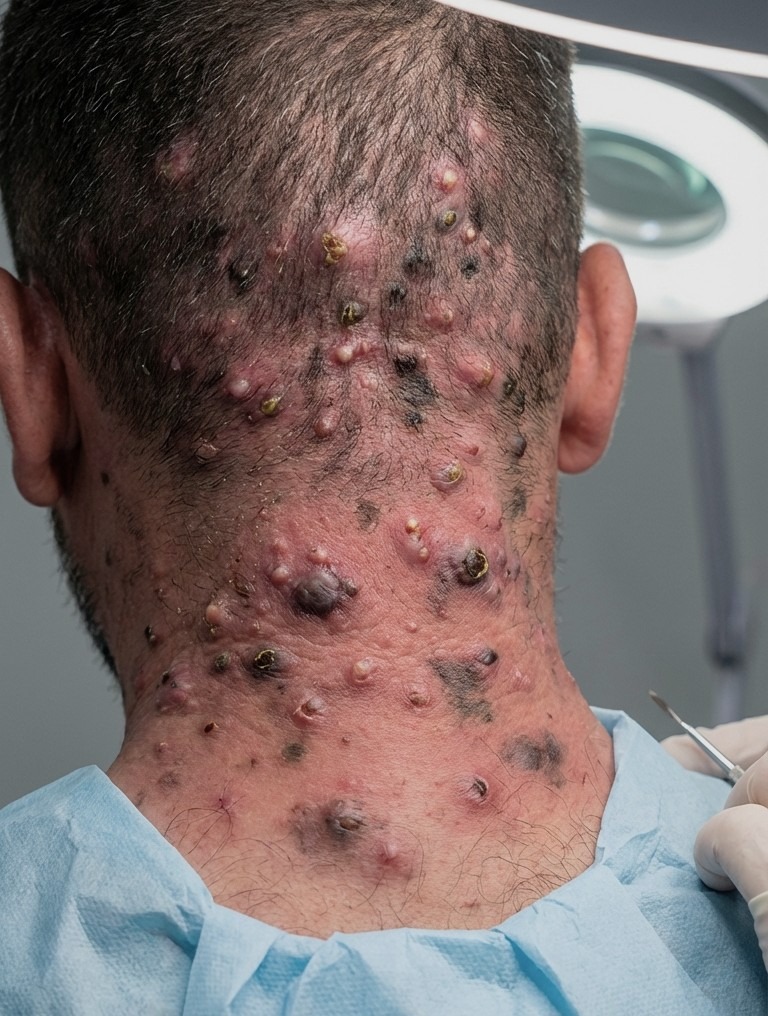
Black pores on the neck are a common yet frustrating skin concern that affects people of all ages. These dark spots or enlarged pores can make the skin appear dull, uneven, and unclean. While many focus on facial skincare, the neck often gets neglected, leading to clogged pores and discoloration over time.
Understanding the root causes of black pores on the neck is essential for treating them effectively. In this comprehensive guide, you’ll learn what causes black pores, how to treat them, and how to prevent them from returning.
What Are Black Pores on the Neck?
Black pores, often referred to as clogged or enlarged pores, occur when hair follicles become filled with oil (sebum), dirt, dead skin cells, and bacteria. When this mixture is exposed to air, it oxidizes and turns dark, creating the appearance of black dots.
These are similar to blackheads but may appear more spread out and less raised on the neck area.
Causes of Black Pores on the Neck
1. Excess Oil Production
The skin naturally produces oil to stay hydrated. However, too much oil can clog pores, especially when combined with dirt and sweat.
2. Poor Hygiene
Not cleaning the neck properly can lead to buildup of sweat, dust, and bacteria, which blocks pores and causes dark spots.
3. Dead Skin Cell Buildup
When dead skin cells are not exfoliated regularly, they accumulate on the surface and clog pores.
4. Hormonal Changes
Hormonal imbalances can increase oil production, making pores more prone to clogging.
5. Tight Clothing and Friction
Collars, scarves, and jewelry can cause friction and trap sweat, leading to clogged pores.
6. Use of Heavy Skincare Products
Thick creams or oily products can block pores if not properly absorbed or cleaned off.
7. Sun Exposure
Excessive sun exposure can darken clogged pores and make them more visible.
How to Treat Black Pores on the Neck
1. Proper Cleansing Routine
Wash your neck twice daily using a gentle cleanser. This removes dirt, oil, and impurities that cause clogged pores.
2. Regular Exfoliation
Exfoliate your neck 2–3 times a week using mild scrubs or chemical exfoliants like AHAs or BHAs. This helps remove dead skin cells.
3. Use of Clay Masks
Clay masks absorb excess oil and deeply cleanse pores, making them less visible.
4. Retinoids and Salicylic Acid
Products containing salicylic acid help unclog pores, while retinoids improve skin turnover and prevent buildup.
5. Hydration
Keeping your skin hydrated prevents excess oil production and maintains balance.
6. Professional Treatments
If the condition is severe, dermatological treatments such as chemical peels, microdermabrasion, or laser therapy may help.
Natural Remedies for Black Pores on Neck
1. Lemon and Honey
Lemon has natural bleaching properties, while honey hydrates the skin. Apply a mixture for 10–15 minutes and rinse off.
2. Baking Soda Scrub
Mix baking soda with water to create a paste. Gently scrub to exfoliate and unclog pores.
3. Aloe Vera Gel
Aloe vera soothes skin and reduces inflammation while tightening pores.
4. Multani Mitti (Fuller’s Earth)
This natural clay absorbs oil and removes impurities effectively.
5. Apple Cider Vinegar
Acts as a natural toner to tighten pores and balance skin pH.
Skincare Routine for Clear Neck Skin
Morning Routine:
- Cleanser
- Lightweight moisturizer
- Sunscreen (SPF 30 or higher)
Night Routine:
- Cleanser
- Exfoliation (2–3 times weekly)
- Treatment serum (salicylic acid or retinol)
- Moisturizer
Consistency is key to seeing results.
Prevention Tips
1. Keep Your Neck Clean
Always wash your neck, especially after sweating.
2. Avoid Tight Clothing
Wear loose clothing to reduce friction and allow skin to breathe.
3. Use Non-Comedogenic Products
Choose skincare products that do not clog pores.
4. Stay Hydrated
Drink plenty of water to maintain healthy skin.
5. Protect from Sun
Apply sunscreen daily to prevent darkening of pores.
When to See a Doctor
If black pores persist despite home treatment or worsen over time, consult a dermatologist. It could be a sign of underlying conditions like acne, fungal infections, or hormonal imbalance.
Common Mistakes to Avoid
- Over-exfoliating, which can irritate skin
- Using harsh scrubs that damage pores
- Ignoring neck skincare
- Not removing sweat and dirt properly
- Applying heavy creams that clog pores
Conclusion
Black pores on the neck are a manageable skin issue with the right care and consistency. By maintaining a proper skincare routine, using effective treatments, and following preventive measures, you can achieve smoother and clearer skin.
Remember, healthy skin doesn’t happen overnight—but with patience and the right approach, visible improvement is absolutely possible.
FAQ Section
Q1: Are black pores the same as blackheads?
They are similar but may appear flatter and more spread out on the neck.
Q2: How long does it take to remove black pores?
With proper care, you may see improvement within 2–4 weeks.
Q3: Can I permanently remove black pores?
You can minimize their appearance significantly, but maintenance is required.
Q4: Is it safe to use home remedies?
Yes, but always do a patch test to avoid irritation.