
Best Acne Treatments & Tips Suggested By Dermatologists
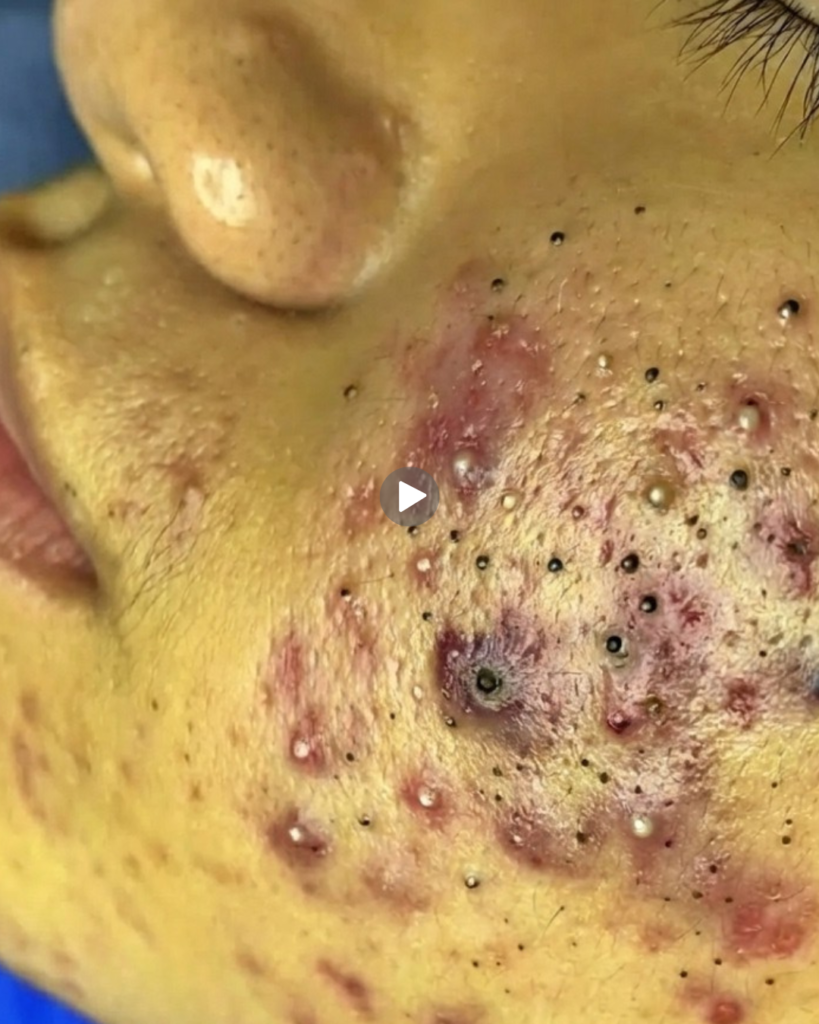
Acne is one of the most common skin conditions affecting millions of people worldwide. Whether you’re a teenager dealing with hormonal breakouts or an adult struggling with persistent acne, finding the right treatment can feel overwhelming. The good news is that dermatologists have identified effective treatments and proven strategies to manage and prevent acne.
In this comprehensive guide, we’ll explore the best acne treatments and expert tips suggested by dermatologists to help you achieve clear and healthy skin.
What Causes Acne?
Before diving into treatments, it’s important to understand what causes acne. Acne occurs when hair follicles become clogged with oil (sebum), dead skin cells, and bacteria. Several factors contribute to this condition:
- Excess oil production
- Hormonal changes
- Bacteria buildup
- Clogged pores
- Diet and lifestyle factors
- Stress
Understanding the root cause of your acne is the first step toward choosing the right treatment.
Types of Acne
Different types of acne require different treatments. The most common types include:
- Whiteheads: Closed clogged pores
- Blackheads: Open clogged pores
- Papules: Small red bumps
- Pustules: Pimples filled with pus
- Nodules: Large, painful lumps under the skin
- Cystic Acne: Severe, deep, and painful acne
Dermatologists recommend identifying your acne type before starting treatment.
Best Acne Treatments Recommended by Dermatologists
1. Topical Treatments
Topical treatments are applied directly to the skin and are often the first line of defense.
Benzoyl Peroxide
- Kills acne-causing bacteria
- Reduces inflammation
- Available in different strengths
Salicylic Acid
- Helps unclog pores
- Removes dead skin cells
- Ideal for blackheads and whiteheads
Retinoids
- Promote cell turnover
- Prevent clogged pores
- Improve skin texture
Antibiotic Creams
- Reduce bacteria and inflammation
- Often combined with other treatments
2. Oral Medications
For moderate to severe acne, dermatologists may prescribe oral medications.
Antibiotics
- Reduce bacteria and inflammation
- Used for short-term treatment
Hormonal Treatments
- Birth control pills can regulate hormones
- Helpful for women with hormonal acne
Isotretinoin
- Powerful treatment for severe acne
- Reduces oil production permanently in many cases
- Requires medical supervision
3. Professional Treatments
Dermatologists also offer advanced treatments for stubborn acne.
Chemical Peels
- Remove dead skin layers
- Improve skin texture
Laser Therapy
- Targets acne bacteria
- Reduces inflammation
Extraction Procedures
- Safe removal of blackheads and whiteheads
Cortisone Injections
- Quickly reduce large cystic pimples
Daily Skincare Routine for Acne-Prone Skin
A proper skincare routine is essential for managing acne.
Morning Routine
- Gentle cleanser
- Oil-free moisturizer
- Sunscreen (SPF 30 or higher)
Night Routine
- Cleanser
- Acne treatment (retinoid or salicylic acid)
- Moisturizer
Consistency is key. Avoid over-washing or using harsh products.
Dermatologist-Approved Tips to Prevent Acne
1. Don’t Touch Your Face
Touching your face transfers bacteria and can worsen acne.
2. Avoid Popping Pimples
This can lead to scars and infection.
3. Use Non-Comedogenic Products
Choose products labeled “oil-free” or “non-comedogenic.”
4. Keep Hair Clean
Oily hair can transfer oil to your face.
5. Change Pillowcases Regularly
Dirty pillowcases can harbor bacteria.
Diet and Acne: What You Should Know
Dermatologists suggest that diet may play a role in acne.
Foods to Avoid
- Sugary foods
- Dairy products (for some people)
- Processed foods
Foods That Help
- Fruits and vegetables
- Omega-3 fatty acids
- Water (stay hydrated)
A balanced diet supports healthy skin.
Natural Remedies (With Dermatologist Approval)
While medical treatments are most effective, some natural remedies can support acne care.
- Tea Tree Oil: Antibacterial properties
- Aloe Vera: Soothes inflammation
- Green Tea Extract: Reduces oil production
Always do a patch test before using natural remedies.
Common Mistakes That Worsen Acne
Avoid these common skincare mistakes:
- Overwashing your face
- Using harsh scrubs
- Skipping moisturizer
- Mixing too many active ingredients
- Not wearing sunscreen
Simple changes can make a big difference.
When to See a Dermatologist
You should consult a dermatologist if:
- Acne is severe or painful
- Over-the-counter treatments don’t work
- Acne leaves scars
- You experience sudden breakouts
Early treatment can prevent long-term skin damage.
How Long Does Acne Treatment Take?
Patience is important when treating acne.
- Mild acne: 4–6 weeks
- Moderate acne: 8–12 weeks
- Severe acne: Several months
Consistency is the key to seeing results.
Acne and Mental Health
Acne can affect self-confidence and mental well-being. Dermatologists emphasize the importance of:
- Seeking professional help
- Practicing self-care
- Remembering that acne is treatable
You are not alone, and effective solutions are available.
Final Thoughts
Acne is a manageable condition with the right approach. By following dermatologist-recommended treatments and maintaining a consistent skincare routine, you can achieve clearer and healthier skin.
Remember, there is no one-size-fits-all solution. What works for one person may not work for another. It’s important to understand your skin type, identify triggers, and seek professional guidance when needed.