
Introduction
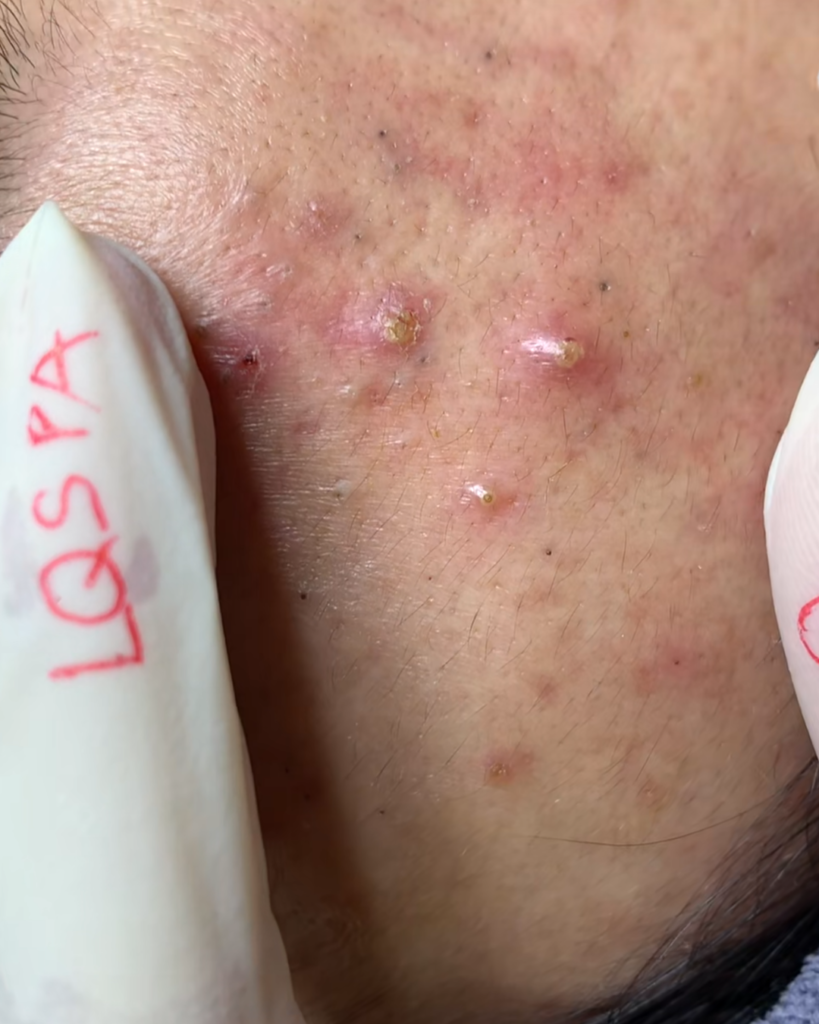
Forehead acne is a very common skin problem that affects people of all ages. It can appear as small bumps, whiteheads, blackheads, or painful pimples. Many factors contribute to forehead acne, including excess oil production, clogged pores, sweat, stress, poor diet, and even improper skincare habits.
The forehead is part of the T-zone, which tends to produce more oil compared to other areas of the face. Because of this, it is more prone to breakouts. The good news is that forehead acne can be managed and reduced with the right approach.
In this article, you will learn eight effective and simple tips that actually help clear forehead acne. These tips are easy to follow and can make a big difference if practiced consistently.
1. Cleanse Your Face Twice Daily
Proper cleansing is the foundation of clear skin. Washing your face helps remove dirt, oil, sweat, and bacteria that accumulate throughout the day and night.
However, it is important not to overdo it. Washing your face too often can strip your skin of its natural oils, causing it to produce even more oil and leading to more breakouts.
Use a gentle cleanser that suits your skin type. If you have oily or acne-prone skin, choose a cleanser designed to control oil and prevent clogged pores. Wash your face once in the morning and once before going to bed. This simple habit can significantly reduce forehead acne over time.
2. Use Acne-Fighting Ingredients
Using the right skincare ingredients can help target acne directly. Ingredients like salicylic acid and benzoyl peroxide are known for their effectiveness in treating acne.
Salicylic acid works by penetrating deep into the pores and removing excess oil and dead skin cells. This helps prevent clogged pores, which are the main cause of acne.
Benzoyl peroxide, on the other hand, kills acne-causing bacteria and reduces inflammation. It is especially helpful for more severe breakouts.
Start with a lower concentration to avoid irritation, and use these products a few times a week. With regular use, you will notice a reduction in acne on your forehead.
3. Keep Your Hair Clean and Away from Your Forehead
Your hair can play a major role in causing forehead acne. Oily hair, dandruff, and hair products like gels, sprays, and oils can transfer onto your skin and clog your pores.
If you have bangs or hair that falls on your forehead, it can trap sweat and oil, creating the perfect environment for acne to develop.
To prevent this, wash your hair regularly and try to keep it away from your face. Avoid using heavy or oily hair products, especially near the hairline. Keeping your hair clean and off your forehead can make a noticeable difference in your skin.
4. Moisturize Your Skin Daily
Many people with acne believe that skipping moisturizer will help reduce oil and clear their skin. In reality, this can make the problem worse.
When your skin becomes dry, it produces more oil to compensate. This excess oil can clog pores and lead to more acne.
Using a lightweight, oil-free moisturizer helps maintain your skin’s balance. It keeps your skin hydrated without making it greasy. Apply moisturizer after cleansing your face to keep your skin healthy and prevent breakouts.
5. Avoid Touching Your Forehead
Touching your face frequently is a common habit that can worsen acne. Your hands carry dirt, oil, and bacteria, which can easily transfer to your skin.
Each time you touch your forehead, you increase the chances of clogging your pores and causing breakouts. This can also spread acne from one area to another.
Try to be mindful of this habit and avoid resting your hands on your face. Keeping your hands clean and away from your forehead is a simple but powerful way to prevent acne.
6. Follow a Healthy Diet
Your diet has a direct impact on your skin health. Consuming too much sugar, processed foods, and oily snacks can trigger acne.
Foods with a high glycemic index, such as white bread, sugary drinks, and fast food, can cause spikes in blood sugar levels. This can lead to increased oil production and inflammation, which contribute to acne.
Instead, focus on a balanced diet that includes fruits, vegetables, whole grains, and healthy fats. Drinking plenty of water is also essential for keeping your skin hydrated and flushing out toxins.
Making small changes to your diet can lead to noticeable improvements in your skin over time.
7. Use Non-Comedogenic Products
Not all skincare and cosmetic products are suitable for acne-prone skin. Some products contain ingredients that can clog pores and worsen breakouts.
Non-comedogenic products are specifically designed to not block pores. Using these products can help reduce the risk of developing acne.
When choosing skincare or makeup products, always check the label for terms like oil-free and non-comedogenic. This ensures that the products you use will not contribute to forehead acne.
8. Be Consistent with Your Routine
Consistency is one of the most important factors in clearing acne. Many people try different products for a short time and expect immediate results. When they do not see quick changes, they switch to something else.
This constant switching can irritate the skin and make acne worse. Acne treatments take time to work, and it is important to be patient.
Stick to a simple skincare routine and give it at least two to four weeks to show results. With consistent care, your skin will gradually improve.
Additional Tips for Better Results
In addition to the main tips, there are a few extra habits that can support clearer skin.
Changing your pillowcases regularly helps prevent the buildup of oil and bacteria. Managing stress is also important, as stress can trigger hormonal changes that lead to acne.
Getting enough sleep allows your skin to repair and heal. Using sunscreen daily protects your skin from damage and prevents further irritation.
These small habits, combined with the main tips, can enhance your results and help you achieve clearer skin.
Conclusion
Forehead acne can be frustrating, but it is manageable with the right approach. By following these eight effective tips, you can reduce breakouts and improve your skin health.
Focus on proper cleansing, using the right products, maintaining a healthy diet, and staying consistent with your routine. Avoid habits that can worsen acne, such as touching your face or using pore-clogging products.