
Stress Acne: Causes, Symptoms, and Effective Treatments (Complete Guide)
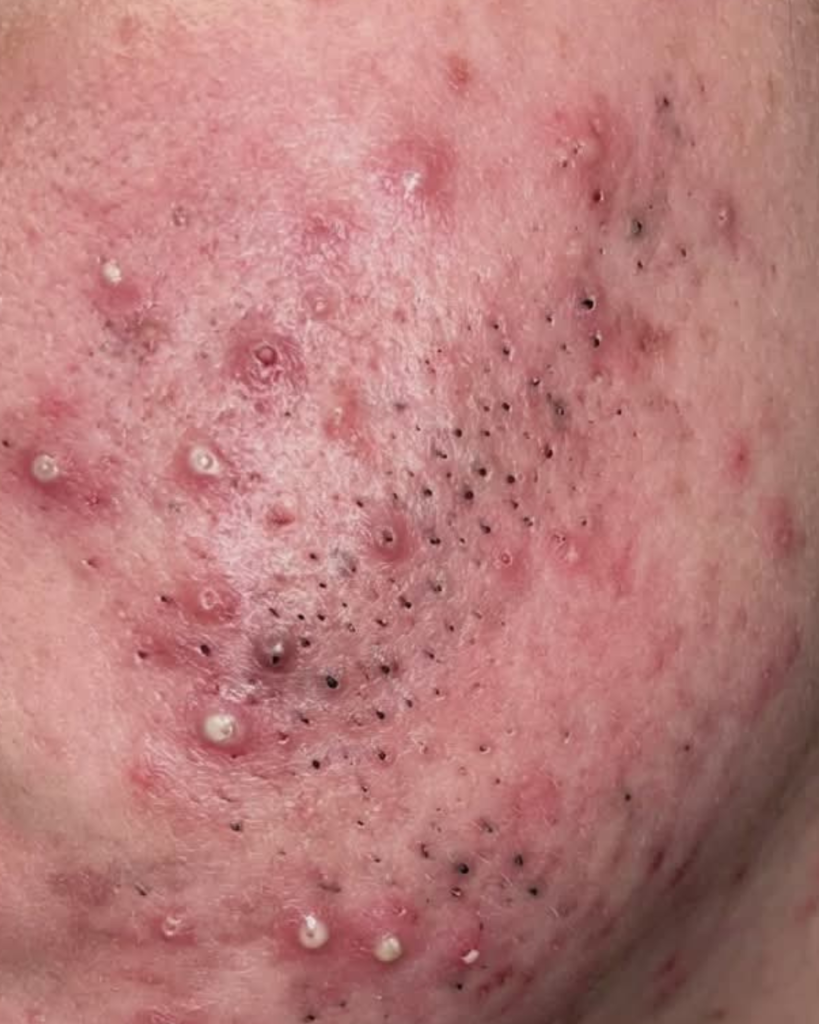
Introduction
Acne is one of the most common skin concerns affecting people of all ages, but when it is triggered by emotional or mental pressure, it is known as stress acne. In today’s fast-paced world, stress has become a part of daily life, and unfortunately, it can take a visible toll on your skin. If you have ever noticed sudden breakouts during exams, work pressure, or emotional challenges, you have likely experienced stress acne.
This article provides a complete, SEO-optimized guide to understanding stress acne, including its causes, symptoms, treatment options, and prevention strategies.
What Is Stress Acne?
Stress acne refers to breakouts that occur or worsen due to increased stress levels. While stress itself does not directly cause acne, it triggers hormonal changes in the body that lead to excess oil production, clogged pores, and inflammation.
When your body is under stress, it releases hormones like cortisol, which stimulate the sebaceous (oil) glands in your skin. This leads to oily skin, which creates the perfect environment for acne-causing bacteria to thrive.
Causes of Stress Acne
Understanding the root causes of stress acne is key to treating and preventing it effectively.
1. Hormonal Changes
Stress increases cortisol levels, which disrupt hormonal balance. This leads to:
- Increased oil production
- Clogged pores
- Inflammation
2. Increased Oil Production
When your skin produces excess sebum (oil), it mixes with dead skin cells and blocks pores, leading to pimples, blackheads, and whiteheads.
3. Weak Immune Response
Stress weakens your immune system, making it harder for your body to fight acne-causing bacteria.
4. Poor Lifestyle Habits
Stress often leads to unhealthy habits such as:
- Lack of sleep
- Poor diet (junk food, sugar)
- Skipping skincare routines
These habits further worsen acne.
5. Touching Your Face Frequently
When stressed, people tend to touch or pick their skin more often, spreading bacteria and causing more breakouts.
Symptoms of Stress Acne
Stress acne can appear similar to regular acne but has some distinct patterns:
- Sudden breakouts during stressful periods
- Acne on cheeks, chin, and jawline
- Red, inflamed pimples
- Increased oiliness
- Painful cystic acne in severe cases
Stress acne often appears in clusters and may take longer to heal.
Where Does Stress Acne Appear?
Stress acne commonly appears in the following areas:
1. Forehead
Linked to digestive issues and stress-related habits like poor sleep.
2. Cheeks
Often associated with hygiene, phone contact, or emotional stress.
3. Chin and Jawline
Strongly linked to hormonal changes caused by stress.
How Stress Affects Your Skin
Stress impacts your skin in multiple ways:
1. Triggers Inflammation
Inflammation worsens existing acne and slows down healing.
2. Disrupts Skin Barrier
Stress weakens your skin’s protective barrier, making it more sensitive and prone to breakouts.
3. Delays Healing
Acne takes longer to heal when your body is under constant stress.
How to Treat Stress Acne
Treating stress acne requires a combination of skincare, lifestyle changes, and stress management.
1. Follow a Proper Skincare Routine
A consistent skincare routine is essential:
Cleanser:
Use a gentle, oil-free cleanser twice daily to remove dirt and excess oil.
Exfoliation:
Exfoliate 1–2 times a week to remove dead skin cells and prevent clogged pores.
Moisturizer:
Use a lightweight, non-comedogenic moisturizer to keep skin hydrated.
Sunscreen:
Always apply sunscreen to protect your skin and prevent acne scars.
2. Use Acne-Fighting Ingredients
Look for products containing:
- Salicylic Acid: Unclogs pores
- Benzoyl Peroxide: Kills acne bacteria
- Niacinamide: Reduces inflammation
- Retinoids: Promote skin cell turnover
3. Manage Stress Effectively
Since stress is the root cause, managing it is crucial.
Effective stress-reduction techniques:
- Meditation
- Deep breathing exercises
- Yoga
- Regular exercise
- Spending time in nature
Even 10–15 minutes of daily relaxation can make a big difference.
4. Maintain a Healthy Diet
Your diet plays a major role in skin health.
Eat more:
- Fruits and vegetables
- Whole grains
- Nuts and seeds
- Water (stay hydrated)
Avoid:
- Sugary foods
- Fast food
- Dairy (if it triggers acne)
- Processed snacks
5. Get Enough Sleep
Sleep is essential for skin repair. Lack of sleep increases stress hormones and worsens acne.
Aim for 7–9 hours of quality sleep every night.
6. Avoid Touching Your Face
Touching your face spreads bacteria and increases inflammation. Try to keep your hands away from your skin.
7. Do Not Pick or Pop Pimples
Picking acne can:
- Cause scars
- Spread infection
- Worsen inflammation
Let pimples heal naturally or use spot treatments.
Home Remedies for Stress Acne
Natural remedies can help soothe your skin:
1. Aloe Vera
- Reduces inflammation
- Soothes irritated skin
2. Green Tea
- Contains antioxidants
- Helps reduce oil production
3. Honey
- Natural antibacterial
- Helps heal acne
4. Ice Therapy
- Reduces redness and swelling
Apply ice wrapped in cloth for a few minutes.
Preventing Stress Acne
Prevention is always better than treatment.
1. Keep Stress Under Control
Practice daily relaxation techniques to maintain mental balance.
2. Stick to a Routine
Consistency in skincare and lifestyle habits is key.
3. Stay Hydrated
Drink at least 8 glasses of water daily.
4. Exercise Regularly
Exercise reduces stress hormones and improves blood circulation.
5. Use Clean Products
Choose non-comedogenic and gentle skincare products.
When to See a Dermatologist
If your stress acne becomes severe or does not improve with home treatment, consult a dermatologist.
Seek professional help if:
- Acne is painful or cystic
- You notice scarring
- Over-the-counter treatments are not working
A dermatologist may recommend:
- Prescription medications
- Chemical peels
- Laser treatments
Stress Acne vs Hormonal Acne
Although similar, they are slightly different:
| Feature | Stress Acne | Hormonal Acne |
|---|---|---|
| Cause | Stress hormones | Hormonal imbalance |
| Timing | During stressful events | Menstrual cycle |
| Area | Face (cheeks, forehead) | Jawline, chin |
| Type | Inflamed pimples | Deep cystic acne |
Conclusion
Stress acne is a common but manageable skin condition caused by the body’s response to stress. While it can be frustrating, the good news is that with the right combination of skincare, healthy habits, and stress management, it can be effectively controlled.
Taking care of your mental health is just as important as caring for your skin. By reducing stress, maintaining a proper routine, and using the right treatments, you can achieve clearer, healthier skin over time.