
Dog Fever and Cough: How to Treat Your Dog at Home Safely
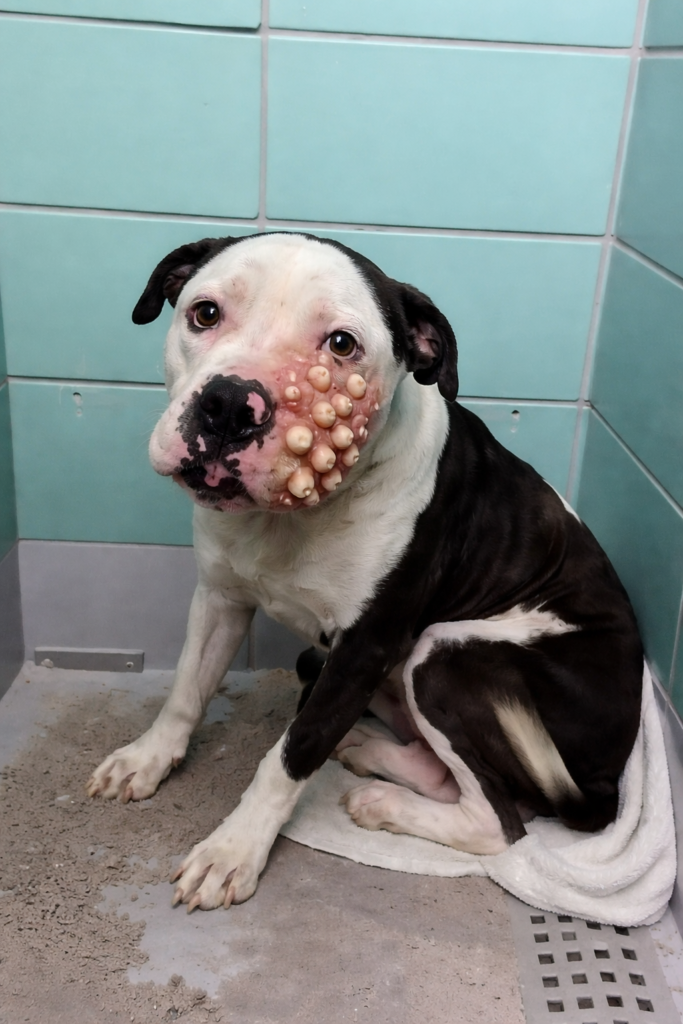
Dogs are loyal companions and an important part of many families. When a dog becomes sick, especially with symptoms like fever and coughing, it can be stressful for pet owners. These symptoms may indicate a minor infection, seasonal illness, or sometimes a more serious health issue. While veterinary care is always the best option, there are several safe home remedies and supportive treatments that can help your dog recover faster.
In this guide, we will explain the causes, symptoms, and effective home treatments for dog fever and cough, along with important tips to keep your pet comfortable and healthy.
Understanding Fever in Dogs
A fever in dogs occurs when their body temperature rises above the normal range. The normal body temperature of a dog is 101°F to 102.5°F (38.3°C to 39.2°C). When the temperature rises above 103°F, it is considered a fever.
Fever is usually the body’s natural response to infection or inflammation. It helps the immune system fight harmful bacteria and viruses.
Common Causes of Fever in Dogs
Several factors can cause fever in dogs, including:
- Bacterial infections
- Viral infections
- Tick-borne diseases
- Respiratory infections
- Internal inflammation
- Reaction to vaccines
- Poison ingestion
If the fever lasts longer than 24 to 48 hours, it is important to consult a veterinarian.
Why Dogs Develop Cough
Coughing in dogs can occur for many different reasons. Sometimes it is mild and temporary, but in some cases it may signal a respiratory infection.
Common Causes of Dog Cough
Some common reasons include:
- Kennel cough
- Allergies
- Dust or smoke irritation
- Lung infections
- Heart disease
- Foreign object stuck in throat
- Cold weather exposure
Understanding the cause of the cough is important before starting any treatment.
Symptoms of Fever and Cough in Dogs
When a dog has fever and cough, it may show several noticeable signs.
Signs of Fever
- Warm ears and nose
- Shivering or shaking
- Loss of appetite
- Low energy or tiredness
- Red eyes
- Dehydration
Signs of Cough
- Dry hacking cough
- Wet or phlegmy cough
- Difficulty breathing
- Sneezing
- Nasal discharge
If your dog shows severe breathing difficulty, you should immediately contact a veterinarian.
How to Check Your Dog’s Temperature at Home
Checking your dog’s temperature helps confirm whether it has a fever.
Steps to Check Temperature
- Use a digital rectal thermometer designed for pets.
- Apply a small amount of lubricant.
- Gently insert the thermometer into the dog’s rectum.
- Wait for the reading.
If the temperature is above 103°F, your dog likely has a fever.
Home Treatment for Dog Fever
Mild fever can often be managed at home with proper care.
1. Keep Your Dog Hydrated
Fever can cause dehydration. Make sure your dog drinks plenty of clean, fresh water.
You can also offer:
- Low-sodium chicken broth
- Wet dog food
- Electrolyte solution recommended by a vet
Hydration helps regulate body temperature and speeds up recovery.
2. Provide a Comfortable Resting Area
Dogs need plenty of rest when they are sick.
Make sure your dog has:
- A quiet place to sleep
- Soft bedding
- Warm but well-ventilated space
Avoid exposing your dog to cold air or strong winds.
3. Use a Cool Damp Cloth
A simple way to help reduce fever is by using a cool damp cloth.
Gently apply the cloth to:
- Your dog’s paws
- Ears
- Belly
Do not use ice-cold water because it may shock your dog’s body.
4. Improve Nutrition
When dogs are sick, they may lose appetite. Try offering soft and nutritious food such as:
- Boiled chicken
- Plain rice
- Pumpkin puree
- Wet dog food
These foods are easy to digest and provide energy.
Home Remedies for Dog Cough
If the cough is mild, several natural remedies may help soothe your dog’s throat.
1. Honey for Cough Relief
Honey is a natural remedy that helps soothe throat irritation.
Give ½ to 1 teaspoon of raw honey depending on the dog’s size.
Honey has antibacterial properties and can help reduce coughing.
Do not give honey to puppies under one year.
2. Steam Therapy
Steam helps loosen mucus and improve breathing.
You can create steam by:
- Running hot water in the bathroom.
- Sitting with your dog in the steam-filled room for 10 to 15 minutes.
This method can help dogs suffering from respiratory congestion.
3. Use a Humidifier
Dry air can make coughing worse. A humidifier adds moisture to the air and helps soothe the respiratory system.
Place it near your dog’s sleeping area to improve breathing comfort.
4. Keep Your Dog Away from Irritants
Avoid exposing your dog to things that may worsen coughing, such as:
- Cigarette smoke
- Dust
- Chemical cleaners
- Strong perfumes
Clean air helps the lungs heal faster.
Natural Immune Boosters for Dogs
A strong immune system helps dogs fight infections more effectively.
Some natural immune boosters include:
1. Pumpkin
Pumpkin is rich in vitamins and fiber. It helps improve digestion and overall health.
2. Coconut Oil
A small amount of coconut oil may support immunity and skin health.
3. Bone Broth
Bone broth is nutritious and easy to digest. It also encourages sick dogs to drink more fluids.
When to See a Veterinarian
Home remedies are useful for mild illness, but some situations require professional care.
Take your dog to the vet if you notice:
- Fever above 104°F
- Continuous coughing for more than 3 days
- Blood in mucus
- Severe breathing problems
- Refusal to eat or drink
- Extreme weakness
These symptoms could indicate serious diseases that require medical treatment.
Preventing Fever and Cough in Dogs
Prevention is always better than treatment. Here are some ways to keep your dog healthy.
1. Regular Vaccinations
Vaccines protect dogs from several dangerous diseases.
2. Maintain Clean Living Environment
Keep your dog’s bedding, food bowls, and living space clean.
3. Balanced Diet
A nutritious diet helps maintain a strong immune system.
4. Regular Exercise
Daily exercise improves circulation and overall health.
5. Routine Vet Checkups
Regular health checkups help detect health issues early.
Final Thoughts
Dog fever and coughing can be worrying for any pet owner, but with the right care and attention, many mild cases can be treated at home. Providing hydration, rest, nutritious food, and natural remedies can help your dog recover faster and feel comfortable.
However, it is important to monitor your dog closely. If symptoms become severe or do not improve within a few days, always seek help from a veterinarian.
Your dog depends on you for care and protection. By understanding the signs of illness and taking quick action, you can ensure your furry friend stays happy, healthy, and safe.