
How to Remove Dog Ticks at Home
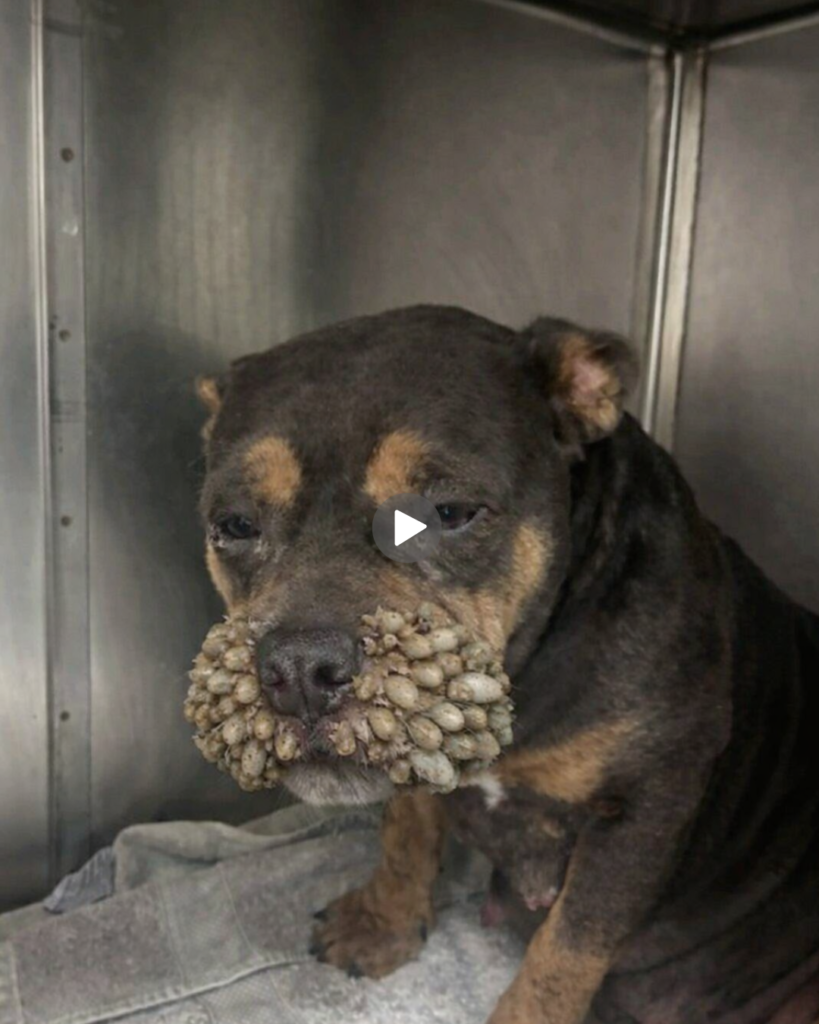
Ticks are small parasites that attach themselves to a dog’s skin and feed on its blood. They can cause serious health problems if not removed properly. Many dog owners feel worried when they see ticks on their pets, but the good news is that you can safely remove dog ticks at home with simple methods.
In this guide, you will learn how to remove dog ticks at home step by step, what tools you need, natural remedies, and how to prevent ticks from coming back.
What Are Dog Ticks?
Ticks are tiny blood-sucking parasites that live in grass, bushes, and outdoor environments. When a dog walks through these areas, ticks attach themselves to the dog’s skin.
Common places where ticks hide on dogs include:
- Behind the ears
- Around the neck
- Under the legs
- Between toes
- Around the tail
- Under the collar
Ticks can carry diseases and infections, so removing them quickly and properly is very important.
Signs Your Dog Has Ticks
Sometimes ticks are easy to see, but other times they hide under the dog’s fur.
Common signs include:
- Small bumps on the skin
- Excessive scratching
- Red or irritated skin
- Licking certain areas repeatedly
- Visible small black or brown insects attached to the skin
If your dog shows these signs, check its body carefully.
Tools You Need to Remove Dog Ticks at Home
Before removing ticks, gather the right tools to make the process safe.
You will need:
- Tweezers or a tick removal tool
- Gloves
- Cotton or tissue
- Antiseptic solution
- Small container with alcohol
These items help you remove ticks safely without spreading infection.
Step-by-Step Guide to Remove Dog Ticks at Home
Step 1: Stay Calm and Prepare
First, keep your dog calm. If your dog moves too much, tick removal can become difficult. You may ask someone to help hold your dog gently.
Wear gloves to protect yourself from bacteria.
Step 2: Locate the Tick
Carefully part your dog’s fur and find the tick attached to the skin. Ticks usually appear as small round bumps.
Make sure you clearly see the tick before trying to remove it.
Step 3: Use Tweezers Correctly
Take a pair of clean tweezers and grab the tick as close to the dog’s skin as possible.
Do not squeeze the tick’s body because it can release harmful bacteria into the dog’s bloodstream.
Step 4: Pull the Tick Out Slowly
Gently pull the tick upward with steady pressure.
Do not twist or jerk the tweezers because the tick’s mouthparts might remain inside the skin.
Pull slowly until the tick comes out completely.
Step 5: Dispose of the Tick Properly
After removing the tick:
- Place it in a container filled with alcohol
- Flush it down the toilet
- Wrap it in tissue and throw it away
Never crush the tick with your fingers.
Step 6: Clean the Bite Area
Once the tick is removed, clean the bite area using antiseptic or warm water with mild soap.
This helps prevent infection and irritation.
Natural Ways to Remove Dog Ticks at Home
Some natural remedies can help loosen ticks or prevent them.
1. Apple Cider Vinegar
Apple cider vinegar can help repel ticks.
Mix:
- 1 cup water
- 1 cup apple cider vinegar
Spray lightly on your dog’s coat (avoid eyes).
2. Coconut Oil
Coconut oil can make ticks loosen their grip.
Apply a small amount to the tick area. Sometimes the tick will release naturally.
3. Neem Oil
Neem oil is a natural insect repellent.
Mix neem oil with water and spray lightly on your dog’s fur.
This can help prevent tick infestations.
4. Lemon Spray
Lemon contains natural compounds that repel parasites.
Boil sliced lemons in water, let it cool, and spray it lightly on your dog’s coat.
Things You Should Never Do
Many people use dangerous methods to remove ticks. Avoid these mistakes.
Do NOT:
- Burn the tick with a match
- Apply gasoline or chemicals
- Twist the tick violently
- Crush the tick with fingers
These methods can harm your dog and increase infection risk.
How to Check Your Dog for Ticks
Regular inspection is one of the best ways to protect your pet.
Follow these steps:
- Run your fingers slowly through the dog’s fur
- Feel for small bumps on the skin
- Check hidden areas carefully
- Inspect after outdoor walks
Daily checks can stop tick problems early.
How to Prevent Ticks on Dogs
Prevention is easier than treatment. Here are effective ways to keep ticks away.
Keep Your Dog Clean
Regular bathing helps remove parasites and dirt.
Use dog-safe shampoo and brush your dog frequently.
Maintain Your Yard
Ticks live in tall grass and bushes.
Keep your yard safe by:
- Cutting grass regularly
- Removing leaves and debris
- Keeping outdoor areas clean
Use Tick Prevention Products
Many safe products help prevent ticks:
- Tick collars
- Tick sprays
- Tick shampoos
- Spot-on treatments
Always choose products recommended for dogs.
Check After Outdoor Walks
After every walk in parks or grassy areas, check your dog carefully.
This habit can stop ticks before they attach for long periods.
When to Visit a Vet
Sometimes tick bites can cause serious health problems.
Take your dog to a veterinarian if you notice:
- Fever
- Weakness
- Loss of appetite
- Swelling near the bite
- Difficulty walking
These symptoms could indicate tick-borne diseases.
Why Removing Ticks Quickly Is Important
Ticks feed on blood and can stay attached for several days.
If not removed quickly, they can spread diseases such as:
- Lyme disease
- Tick fever
- Skin infections
Early removal keeps your dog healthy and safe.
Final Thoughts
Ticks are a common problem for dogs, but they can be managed easily with the right knowledge. Learning how to remove dog ticks at home helps protect your pet from infections and discomfort.
Always remove ticks carefully, clean the bite area, and monitor your dog for any unusual symptoms. Regular grooming, yard maintenance, and natural prevention methods can keep ticks away.
Your dog depends on you for safety and care. With these simple steps, you can ensure your furry friend stays healthy, comfortable, and tick-free.