
Introduction
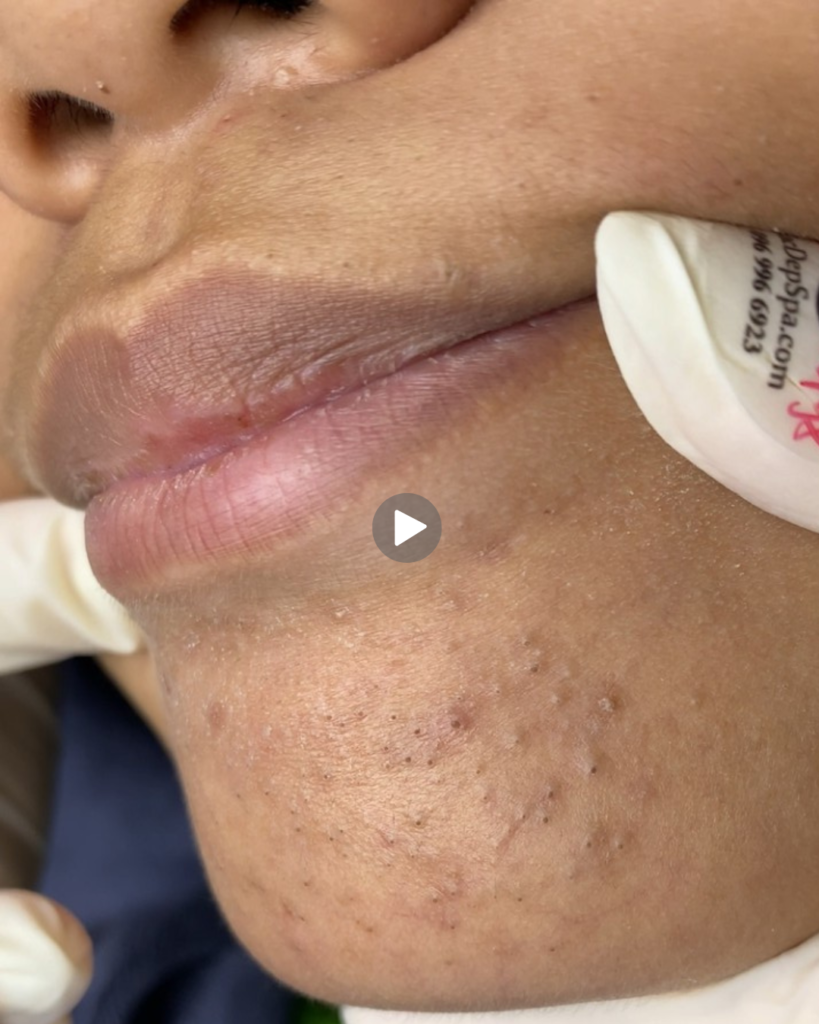
Black acne, commonly known as blackheads, is a very common skin problem that affects both teenagers and adults. These small dark spots appear mostly on the nose, chin, forehead, and sometimes on the cheeks. Black acne forms when pores become clogged with oil, dead skin cells, and dirt. When this clogged pore is exposed to air, it oxidizes and turns black.
Many people try different products but still struggle with black acne. The good news is that there are several simple, natural, and effective ways to remove black acne from your face and keep your skin healthy.
In this article, you will learn 10 powerful ways to remove black acne, understand the causes, and discover prevention tips for long-term clear skin.
What Causes Black Acne?
Before removing black acne, it is important to understand what causes it.
Common causes include:
1. Excess Oil Production
When the skin produces too much oil (sebum), it can clog pores and create blackheads.
2. Dead Skin Cells
If dead skin cells are not removed properly, they mix with oil and block pores.
3. Hormonal Changes
Hormonal changes during puberty, stress, pregnancy, or menstrual cycles can increase acne.
4. Poor Skincare Routine
Not washing the face properly or using heavy skincare products can clog pores.
5. Pollution and Dirt
Environmental pollution and dust can accumulate on the skin and lead to black acne.
10 Effective Ways to Remove Black Acne from Face
1. Wash Your Face Twice a Day
One of the simplest ways to prevent and remove black acne is regular face washing.
Use a gentle face cleanser to remove:
- Dirt
- Oil
- Bacteria
- Dead skin cells
Avoid washing too often because excessive washing can make the skin produce more oil.
Tip:
Use lukewarm water and a mild cleanser suitable for your skin type.
2. Use Salicylic Acid Cleanser
Salicylic acid is one of the best ingredients for treating black acne.
Benefits include:
- Deeply cleaning pores
- Removing excess oil
- Exfoliating dead skin cells
- Preventing new blackheads
Salicylic acid works by breaking down the material that clogs pores.
Using it regularly can significantly reduce black acne.
3. Exfoliate Your Skin Weekly
Exfoliation helps remove dead skin cells that block pores.
There are two types of exfoliation:
Physical Exfoliation
Scrubs that remove dead skin cells manually.
Chemical Exfoliation
Products containing acids like:
- Salicylic acid
- Glycolic acid
- Lactic acid
Exfoliating 1–2 times per week can help keep pores clean and reduce black acne.
4. Try Steam Treatment
Facial steaming helps open pores and loosen blackheads.
Steps for steam treatment:
- Boil water in a bowl
- Place your face over the steam
- Cover your head with a towel
- Steam your face for 5–10 minutes
Benefits of steaming:
- Opens clogged pores
- Softens blackheads
- Improves circulation
- Helps skin detox
After steaming, gently wash your face to remove loosened impurities.
5. Apply Clay Masks
Clay masks are excellent for oily and acne-prone skin.
They help by:
- Absorbing excess oil
- Removing toxins
- Cleaning clogged pores
- Tightening skin
Popular clays include:
- Bentonite clay
- Kaolin clay
- Multani Mitti (Fuller’s Earth)
Using a clay mask once or twice a week can reduce black acne effectively.
6. Use Retinoid Creams
Retinoids are powerful skincare ingredients derived from Vitamin A.
They work by:
- Increasing skin cell turnover
- Preventing clogged pores
- Reducing acne formation
Retinoid creams help keep pores clear and improve overall skin texture.
However, beginners should start with low concentration products because retinoids can sometimes cause mild irritation.
7. Use Pore Strips Carefully
Pore strips can quickly remove blackheads from the nose and other areas.
These strips stick to the skin and pull out:
- Dirt
- Oil
- Blackheads
Although they provide instant results, they should not be used too frequently because they can irritate the skin.
Use them once a week or occasionally for best results.
8. Apply Natural Remedies
Some natural ingredients can also help remove black acne.
Honey
Honey has antibacterial properties and keeps skin moisturized.
Lemon Juice
Lemon contains natural acids that help exfoliate skin.
Aloe Vera
Aloe vera soothes inflammation and reduces acne.
Green Tea
Green tea helps control oil production and fights bacteria.
Applying these natural remedies regularly can help improve skin health.
9. Maintain a Healthy Diet
Your diet plays an important role in skin health.
Eating unhealthy food can increase oil production and acne.
Foods that help skin:
- Fruits and vegetables
- Nuts and seeds
- Whole grains
- Green tea
- Water
Foods to avoid:
- Excess sugar
- Fried foods
- Processed snacks
- Sugary drinks
A balanced diet helps maintain clear and healthy skin.
10. Never Squeeze Blackheads
Many people try to squeeze black acne with their fingers.
This is not recommended because it can:
- Damage skin
- Cause infection
- Leave scars
- Make acne worse
If blackheads are severe, it is better to consult a dermatologist for professional extraction.
Daily Skincare Routine to Prevent Black Acne
Following a proper skincare routine can prevent black acne from coming back.
Morning Routine
- Gentle face cleanser
- Oil-free moisturizer
- Sunscreen
Night Routine
- Cleanser
- Acne treatment product
- Light moisturizer
Consistency is key for healthy and clear skin.
When to See a Dermatologist
Sometimes black acne can become severe or persistent.
Consult a dermatologist if:
- Blackheads do not improve with home treatment
- Acne becomes painful
- Skin becomes inflamed
- Scars start forming
A dermatologist can recommend treatments such as:
- Prescription creams
- Chemical peels
- Professional extractions
- Laser treatments
Prevention Tips for Long-Term Clear Skin
To keep your skin free from black acne, follow these tips:
- Wash your face daily
- Avoid touching your face frequently
- Use non-comedogenic skincare products
- Remove makeup before sleeping
- Keep pillowcases clean
- Drink plenty of water
- Manage stress
Healthy habits play a major role in maintaining clear skin.
Conclusion
Black acne is a common skin issue, but it can be treated and prevented with the right approach. By maintaining a good skincare routine, using effective ingredients, and following healthy lifestyle habits, you can significantly reduce blackheads and achieve clearer skin.
The 10 methods discussed in this article, including cleansing, exfoliation, steaming, clay masks, and natural remedies, are simple yet powerful ways to remove black acne from your face.
Consistency and patience are important because skincare takes time. With proper care, your skin can become smoother, healthier, and free from black acne.
FAQ Section
What is black acne?
Black acne, also called blackheads, is a type of acne formed when pores become clogged with oil and dead skin cells that oxidize when exposed to air.
How can I remove black acne naturally?
Natural remedies like honey, aloe vera, lemon, and steam treatment can help remove black acne.
Can black acne disappear permanently?
Black acne can be controlled and reduced, but proper skincare and prevention are necessary to stop it from returning.
Is squeezing blackheads safe?
No. Squeezing blackheads can damage the skin and cause infections or scars.
How often should I exfoliate my face?
Exfoliating 1–2 times per week is usually enough to remove dead skin cells and prevent black acne.