
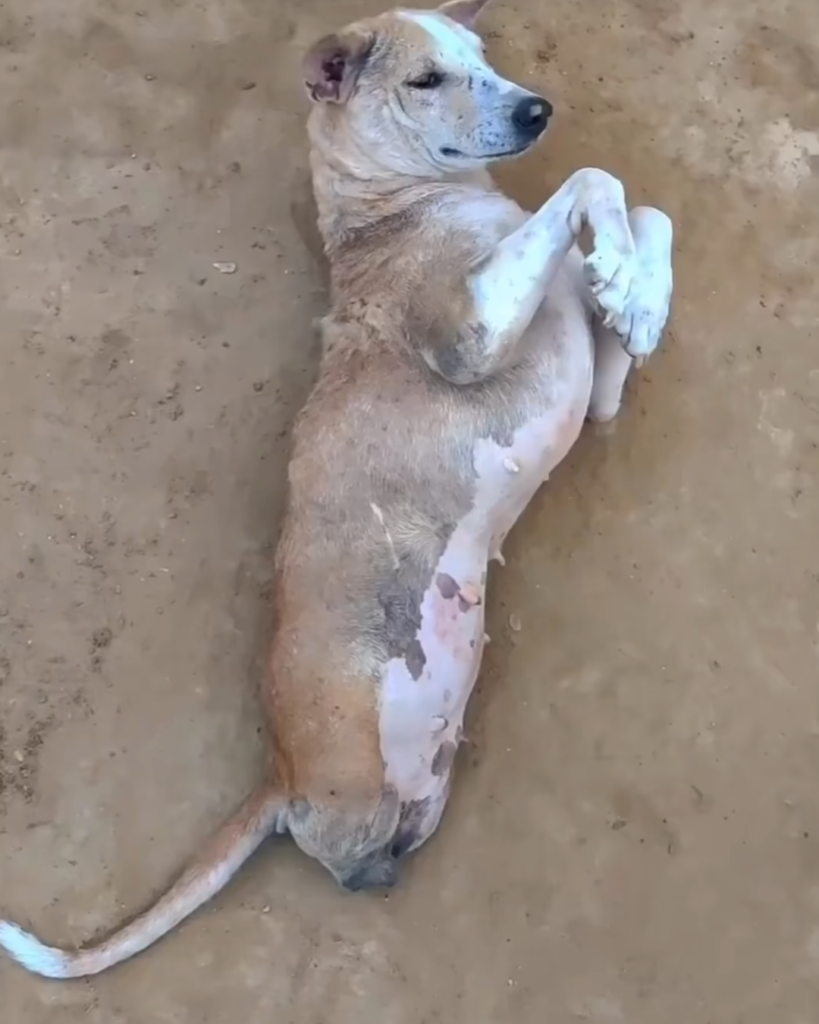
I Found a Dog with Both Legs Broken – A Story of Pain, Hope, and Rescue
Sometimes life tests our humanity in unexpected ways. One day, while walking down a quiet roadside, I saw a heartbreaking scene that I will never forget. A dog was lying helplessly near the corner of the street. At first, I thought he was resting. But when I looked closer, I realized something was terribly wrong.
Both of his legs were broken.
The Shocking Discovery
The poor dog could not stand. Whenever he tried to move, he cried in pain. His body was shaking, and his eyes were full of fear. It looked like he had been hit by a vehicle and left there to suffer.
People were passing by, but no one stopped.
Seeing him struggle broke my heart. I knew that if I walked away, he might not survive. He could not search for food. He could not run from danger. He could not even change his position properly.
At that moment, I made a decision — I would help him.
Understanding Broken Legs in Dogs
Broken legs in dogs usually happen because of:
- Road accidents
- Falling from heights
- Physical abuse
- Being hit by heavy objects
- Severe fights with other animals
When a dog’s legs are broken, you may notice:
- Swelling
- Unnatural leg position
- Crying when touched
- Inability to stand or walk
- Visible bone in severe cases
This dog showed many of these signs. It was clear he needed urgent medical help.
Taking the First Step
I slowly approached him so he wouldn’t feel threatened. Injured dogs are often scared and may bite due to pain. I spoke softly and gently covered him with a cloth to keep him calm.
I immediately contacted a local veterinarian and arranged transportation. Moving him was very difficult because even the slightest touch caused him pain. With help, we carefully placed him on a flat board and took him to the clinic.
Veterinary Examination
At the clinic, the vet examined him and confirmed that both front legs were fractured. X-rays showed serious breaks that required proper treatment.
The vet explained that treatment could include:
- Leg splints
- Plaster casts
- Surgery with metal rods (in severe cases)
- Pain relief medication
- Antibiotics to prevent infection
In his case, surgery was required for one leg, and the other leg needed a cast.
It was not cheap, but I knew his life was worth it.
The Surgery and Treatment
The surgery took a few hours. I was nervous the entire time. When the vet finally came out and said the surgery was successful, I felt relieved.
He stayed at the clinic for a few days for monitoring. The vet gave him:
- Pain relief injections
- Anti-inflammatory medicines
- Antibiotics
- Nutritional support
After a few days, I brought him home for recovery.
Caring for a Dog with Broken Legs
Recovery was not easy. He could not walk, so I prepared a soft, clean resting area for him. I made sure:
- He stayed on dry bedding
- His bandages remained clean
- He received medicines on time
- He was fed nutritious food
- He had constant supervision
Helping him use the bathroom was difficult, but with patience and care, we managed.
Every day, I could see small improvements.
The Emotional Journey
The first week was the hardest. He was scared and confused. But slowly, he began to trust me. He stopped crying when I came near. He even started wagging his tail gently.
After a few weeks, the swelling reduced. The vet removed the stitches. One leg started showing strength.
When he tried to stand for the first time after weeks, I almost cried.
It was not perfect. It was slow. But it was progress.
The Power of Patience
Healing broken bones takes time. In dogs, it can take:
- 6 to 12 weeks for basic healing
- Several months for full strength
With proper care, nutrition, and medical treatment, many dogs can walk again — even after serious fractures.
And this dog proved it.
After two months, he was able to walk slowly with support. His steps were careful, but he was moving.
The dog who once lay helpless on the street was now standing.
Why We Should Help Injured Street Dogs
Street dogs face many dangers every day:
- Traffic accidents
- Hunger
- Infections
- Abuse
- Weather extremes
When they are injured, they have no one to help them.
Even small actions can save lives:
- Calling a local rescue group
- Providing temporary shelter
- Donating to animal treatment
- Sharing information
Compassion creates change.
What To Do If You Find a Dog with Broken Legs
If you ever find a dog with suspected broken legs:
- Do not panic.
- Avoid moving the dog unnecessarily.
- Speak softly and approach carefully.
- Use a flat board or blanket to lift the dog.
- Take him to a vet immediately.
- Never try to fix the bone yourself.
- Follow vet instructions carefully.
Immediate medical attention can save the dog’s life.
A New Beginning
Today, that dog is alive and improving. He may not run as fast as other dogs, but he walks. He eats. He plays gently. Most importantly, he is safe.
When I look at him now, I feel proud that I did not ignore him.
Saving him taught me something powerful:
We cannot fix the whole world.
But we can fix someone’s world.
And sometimes, that is enough.
1. What should I do if I find a dog with broken legs?
If you find a dog with broken legs, avoid moving him unnecessarily. Speak calmly, carefully place him on a flat surface like a board or blanket, and take him to a veterinarian immediately.
2. Can a dog survive with both legs broken?
Yes, with immediate veterinary care, surgery if needed, proper medication, and post-treatment care, many dogs can recover even from serious fractures.
3. How long does it take for a dog’s broken leg to heal?
Most dog fractures take 6 to 12 weeks to heal, depending on the severity of the break and the treatment provided.
4. How much does dog fracture treatment cost?
The cost depends on the country, clinic, and whether surgery is required. It may include X-rays, surgery, medication, and follow-up visits.
5. Is it safe to move an injured dog?
You should only move an injured dog if necessary and with extreme care. Improper handling can worsen the injury. Always try to seek professional help first.
6. How can we help injured stray dogs in our area?
You can help by contacting local animal rescue groups, supporting veterinary charities, providing temporary shelter, or spreading awareness about animal welfare.