
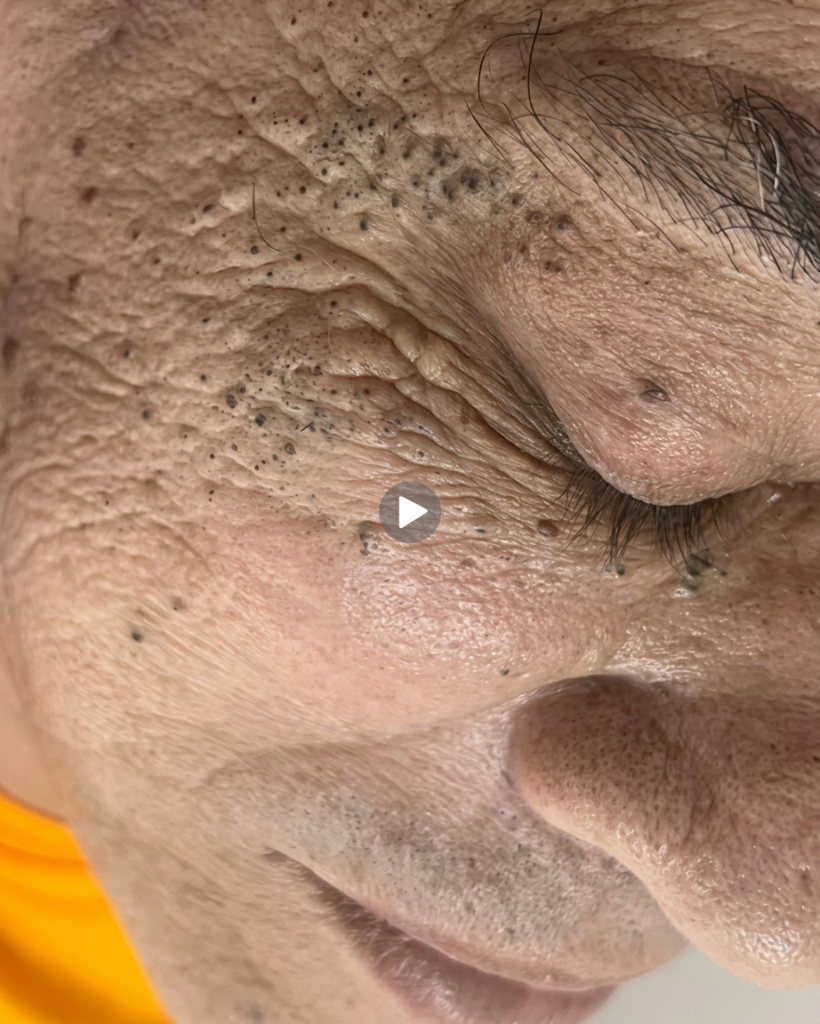
Pregnancy is an exciting journey, but it can also bring unexpected skin changes. One of the most common problems many women experience is pregnancy acne. Hormonal changes during pregnancy can increase oil production, leading to pimples, breakouts, blackheads, and inflamed skin.
The good news is that there are many safe treatments for acne during pregnancy that can help control breakouts without harming you or your baby. In this guide, you will learn about the causes of pregnancy acne, safe skincare ingredients, treatments to avoid, home remedies, and the best skincare routine for healthy skin during pregnancy.
What Causes Acne During Pregnancy?
Pregnancy acne mainly occurs because of hormonal fluctuations. During pregnancy, the body produces higher levels of hormones called androgens. These hormones increase oil production in the skin, which can clog pores and cause acne.
Pregnancy acne is most common during:
- The first trimester
- Early second trimester
However, some women may experience acne throughout pregnancy.
Common Symptoms of Pregnancy Acne
Pregnancy acne can appear in different forms, including:
- Whiteheads
- Blackheads
- Red pimples
- Painful cystic acne
- Oily skin
- Small bumps on the forehead and chin
Acne usually appears on:
- Face
- Chin
- Jawline
- Neck
- Chest
- Back
Is Acne During Pregnancy Normal?
Yes, acne during pregnancy is completely normal. Even women who never had acne before may experience breakouts during pregnancy because of hormonal changes.
Some women notice:
- More oily skin
- Increased sensitivity
- Sudden breakouts
- Skin redness
In many cases, pregnancy acne improves after delivery when hormone levels return to normal.
Safe Acne Treatments During Pregnancy
Choosing safe skincare products during pregnancy is extremely important because some acne medications can harm the developing baby.
Below are pregnancy-safe acne treatments recommended by many dermatologists.
1. Gentle Cleansers
A mild cleanser helps remove excess oil, dirt, and bacteria without irritating the skin.
Look for:
- Fragrance-free cleansers
- Non-comedogenic products
- Sulfate-free formulas
Ingredients that are generally considered safe include:
- Glycerin
- Ceramides
- Niacinamide
Wash your face twice daily using lukewarm water.
2. Azelaic Acid
Azelaic acid is one of the safest acne treatments during pregnancy.
Benefits:
- Reduces acne-causing bacteria
- Helps unclog pores
- Fades dark spots
- Reduces redness
It is commonly recommended for mild to moderate pregnancy acne.
3. Benzoyl Peroxide (Limited Use)
Low-strength benzoyl peroxide may be used in small amounts during pregnancy if approved by a doctor.
Benefits:
- Kills acne-causing bacteria
- Reduces inflammation
- Helps dry active pimples
Use only small amounts and avoid excessive application.
4. Glycolic Acid
Glycolic acid is a gentle exfoliating acid that may help improve acne and skin texture during pregnancy.
Benefits:
- Removes dead skin cells
- Brightens dull skin
- Helps reduce clogged pores
Use lower concentrations to avoid irritation.
5. Sulfur-Based Treatments
Sulfur treatments are sometimes used to reduce acne safely during pregnancy.
Benefits:
- Controls excess oil
- Reduces pimples
- Helps unclog pores
Sulfur spot treatments can help calm inflamed acne naturally.
6. Oil-Free Moisturizer
Hydration is important even if your skin is oily.
Choose:
- Lightweight moisturizers
- Gel-based formulas
- Non-comedogenic products
Good hydration helps protect the skin barrier and prevent irritation.
7. Sunscreen
Pregnancy can make your skin more sensitive to sunlight.
Use:
- SPF 30 or higher
- Mineral sunscreen
- Zinc oxide or titanium dioxide formulas
Sunscreen also helps prevent dark acne marks from becoming worse.
Acne Treatments to Avoid During Pregnancy
Some acne medications are unsafe during pregnancy and should be avoided completely.
Retinoids
Avoid:
- Retinol
- Tretinoin
- Adapalene
- Isotretinoin
These vitamin A derivatives may increase the risk of birth defects.
High-Dose Salicylic Acid
Small amounts in cleansers may sometimes be acceptable, but strong salicylic acid peels and oral forms should be avoided unless approved by a doctor.
Oral Acne Medications
Avoid medications such as:
- Isotretinoin
- Spironolactone
- Certain antibiotics
Always consult a healthcare professional before taking any acne medication during pregnancy.
Best Pregnancy-Safe Skincare Routine
Morning Routine
1. Gentle Cleanser
Wash away oil and sweat without drying the skin.
2. Azelaic Acid Serum
Helps reduce acne and redness safely.
3. Lightweight Moisturizer
Keeps skin hydrated and balanced.
4. Mineral Sunscreen
Protects sensitive skin from UV damage.
Night Routine
1. Gentle Cleanser
Clean the skin before bed.
2. Glycolic Acid or Sulfur Treatment
Use only a few times weekly if tolerated.
3. Moisturizer
Supports overnight skin repair.
Natural Remedies for Pregnancy Acne
Some natural remedies may help reduce mild acne during pregnancy.
1. Honey Mask
Honey has natural antibacterial properties.
How to use:
- Apply raw honey to clean skin
- Leave for 10–15 minutes
- Rinse with warm water
2. Oatmeal Mask
Oatmeal helps calm irritated skin.
Benefits:
- Reduces redness
- Soothes itching
- Absorbs excess oil
3. Aloe Vera Gel
Pure aloe vera may help calm inflamed acne naturally.
Benefits:
- Soothes skin
- Reduces redness
- Provides hydration
4. Cold Compress
A cold compress can reduce swelling and discomfort from painful acne.
Apply for:
- 5–10 minutes
- Once or twice daily
Healthy Lifestyle Tips for Pregnancy Acne
Drink Plenty of Water
Hydration supports healthy skin and overall wellness.
Eat a Balanced Diet
Choose foods rich in:
- Fruits
- Vegetables
- Healthy fats
- Whole grains
Try limiting:
- Sugary snacks
- Processed foods
- Excess greasy foods
Get Enough Sleep
Sleep supports hormone balance and skin repair.
Aim for:
- 7–9 hours nightly
Avoid Picking Pimples
Popping pimples can:
- Increase inflammation
- Cause acne scars
- Spread bacteria
When to See a Dermatologist
Consult a dermatologist if:
- Acne becomes severe
- Painful cysts appear
- Over-the-counter products do not help
- Acne causes emotional stress
A doctor can recommend pregnancy-safe treatment options tailored to your skin.
Can Pregnancy Acne Be Prevented?
Pregnancy acne cannot always be prevented because hormones play a major role. However, good skincare habits can reduce breakouts and help keep skin healthier.
Helpful habits include:
- Gentle cleansing
- Daily moisturizing
- Wearing sunscreen
- Eating healthy foods
- Avoiding harsh products
Final Thoughts
Acne during pregnancy is very common and usually temporary. Hormonal changes can increase oil production and trigger breakouts, especially during the first trimester. Thankfully, many safe treatments can help manage pregnancy acne without harming your baby.
Focus on gentle skincare, safe ingredients like azelaic acid, proper hydration, and healthy lifestyle habits. Avoid harmful acne medications such as retinoids and always speak with your healthcare provider before starting new treatments.
With patience and consistent care, your skin can stay healthier, calmer, and more comfortable throughout pregnancy.