
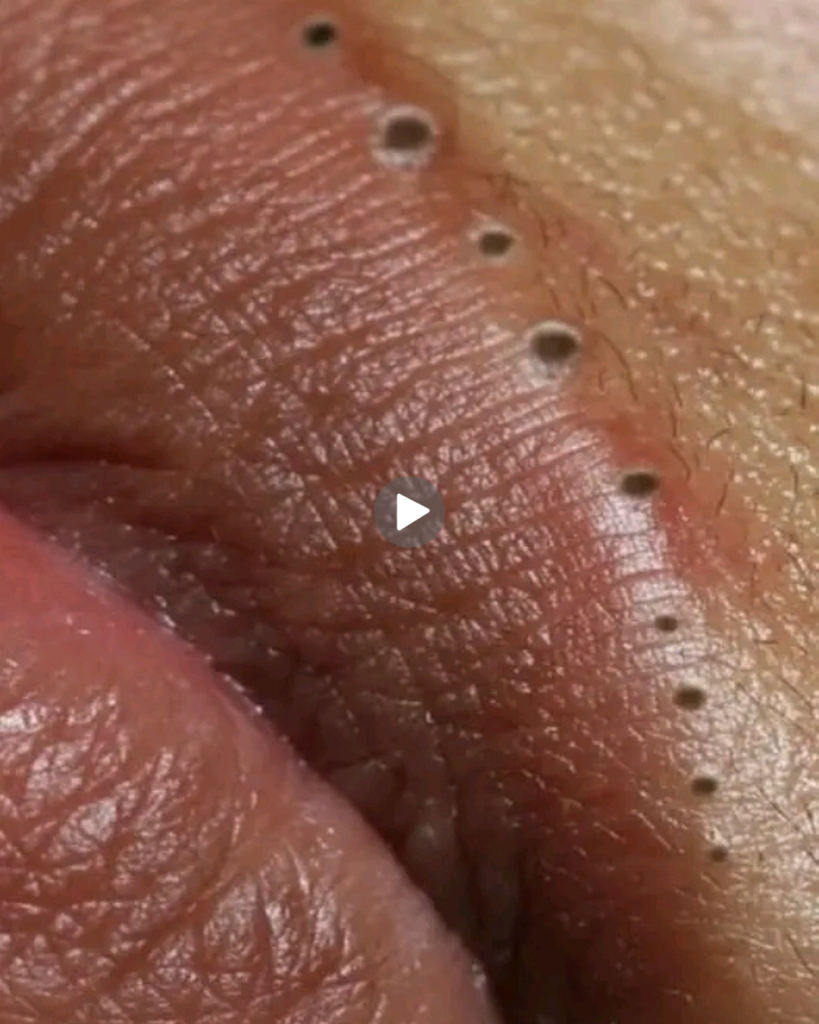
Acne and pimples are most commonly associated with the face, especially the forehead, cheeks, and chin. However, many people also experience acne around or on the lips. This condition can be painful, uncomfortable, and sometimes embarrassing. Understanding the causes of lip acne and pimples is the first step toward effective treatment and prevention.
In this article, we will explore what causes pimples on the lips, how they differ from other skin issues, and the best ways to treat and prevent them.
What Is Lip Acne?
Lip acne refers to pimples, whiteheads, blackheads, or small bumps that appear around the lip area. These can form on the upper lip, lower lip border, or even the skin directly surrounding the lips.
Unlike regular acne on the face, lip acne can sometimes be confused with other conditions such as cold sores or allergic reactions. That is why understanding the root cause is very important.
Common Causes of Lips Acne and Pimples
There are several reasons why pimples may appear around the lips. Below are the most common causes:
1. Hormonal Changes
Hormonal fluctuations are one of the biggest causes of acne anywhere on the face, including the lips. During puberty, menstruation, pregnancy, or stress, hormone levels change and can increase oil production in the skin. This extra oil can clog pores and lead to pimples.
2. Poor Hygiene
Touching your face frequently or not cleaning the lip area properly can cause bacteria buildup. When bacteria mix with oil and dead skin cells, it can block pores and result in acne.
Using unclean makeup brushes or expired lip products can also contribute to breakouts.
3. Lip Products and Cosmetics
Certain lipsticks, lip balms, and glosses contain heavy oils, fragrances, or chemicals that may clog pores. This is especially common in people with sensitive skin.
If you notice pimples after using a new lip product, it could be the main trigger.
4. Diet and Lifestyle
What you eat can also affect your skin. Diets high in sugar, dairy products, and processed foods may increase acne breakouts in some people.
Lack of sleep, dehydration, and high stress levels can also make acne worse around the lips.
5. Bacterial Infection
The skin around the lips is sensitive and easily exposed to bacteria. If you frequently touch your lips with dirty hands, bacteria can enter the pores and cause inflammation.
This leads to red, painful pimples.
6. Lip Licking Habit
Constantly licking your lips may seem harmless, but it can actually irritate the skin. Saliva contains enzymes that can dry out and damage the skin barrier, leading to breakouts and irritation around the mouth.
7. Allergic Reactions
Some people develop pimples or bumps due to allergic reactions to toothpaste, food, cosmetics, or skincare products. Ingredients like fluoride, menthol, or artificial flavors can sometimes irritate sensitive skin.
8. Stress and Lack of Sleep
Stress increases hormone production, especially cortisol, which can trigger acne breakouts. Poor sleep also affects skin repair and healing, making pimples more likely to appear and last longer.
How to Identify Lip Acne
Lip acne usually appears as:
- Small red bumps
- Whiteheads or pus-filled pimples
- Tender or painful spots
- Breakouts near the lip line
It is important to differentiate it from cold sores, which are usually fluid-filled and caused by a virus.
Effective Treatment for Lip Acne
Treating lip acne requires gentle care because the area is very sensitive.
1. Keep the Area Clean
Wash your face twice daily with a gentle cleanser. Make sure to clean around the lips properly to remove dirt and oil buildup.
2. Use Non-Comedogenic Products
Choose lip balms and cosmetics labeled “non-comedogenic,” which means they do not clog pores.
3. Avoid Touching Your Lips
Touching or picking pimples can make the condition worse and lead to infection or scars.
4. Apply Warm Compress
A warm compress can help reduce swelling and bring pus to the surface, allowing pimples to heal faster.
5. Use Acne Treatment Creams
Over-the-counter creams containing benzoyl peroxide or salicylic acid can help reduce bacteria and clear pores. However, use them carefully near the lips to avoid irritation.
6. Stay Hydrated
Drinking enough water helps flush out toxins and keeps your skin healthy.
Prevention Tips for Lip Acne
Prevention is always better than treatment. Here are some simple ways to avoid lip acne:
- Clean your face daily
- Remove makeup before sleeping
- Avoid oily lip products
- Maintain a balanced diet
- Reduce sugar and dairy intake
- Do not share lip products with others
- Manage stress through exercise or relaxation
When to See a Doctor
If your lip acne is severe, painful, or does not improve after home treatment, it is best to consult a dermatologist. You may need prescription medication or professional treatment.
Final Thoughts
Lip acne and pimples are common skin problems that can affect anyone. While they are not usually dangerous, they can be uncomfortable and affect self-confidence. By understanding the causes—such as hormones, hygiene, products, and lifestyle—you can take the right steps to treat and prevent them.
With proper skincare, healthy habits, and a little patience, you can keep your lips and surrounding skin clear and healthy.