
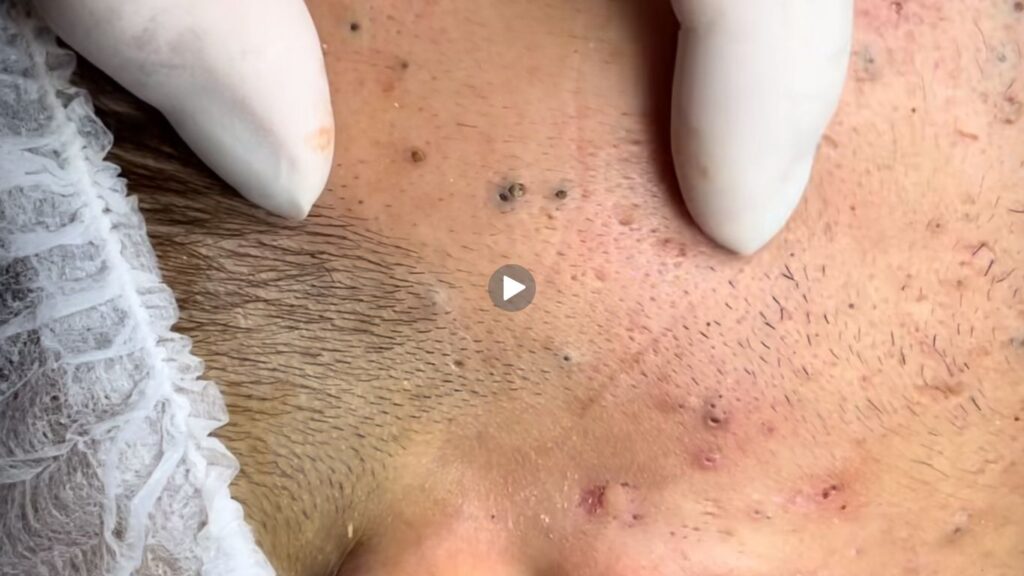
Hormonal Acne: Complete Guide to Causes, Symptoms & Treatment
Hormonal acne is one of the most frustrating skin problems that affects teenagers and adults alike. Unlike regular pimples, hormonal acne is deeply connected to changes in your body’s hormone levels. It often appears suddenly, feels painful, and can leave scars if not treated properly.
Many people think acne only happens during teenage years, but hormonal acne can continue well into adulthood. It is especially common in women during puberty, menstruation, pregnancy, and menopause.
In this detailed guide, you will learn everything about hormonal acne — what causes it, how to identify it, the best treatment options, and natural ways to control it.
What Is Hormonal Acne?
Hormonal acne is acne caused by fluctuations in hormones, especially androgens (male hormones present in both men and women). These hormones increase oil (sebum) production in the skin, which can clog pores and lead to breakouts.
It usually appears on:
- Chin
- Jawline
- Lower cheeks
- Neck
- Around the mouth
Hormonal acne is often deep, painful, and cystic. It may not respond well to regular face washes or over-the-counter creams.
What Causes Hormonal Acne?
Several hormonal changes can trigger acne breakouts.
1. Puberty
During puberty, hormone levels rise rapidly. Increased androgens cause oil glands to become more active, leading to clogged pores and pimples.
2. Menstrual Cycle
Many women experience breakouts 7–10 days before their period. This happens because estrogen levels drop and progesterone rises, increasing oil production.
3. Pregnancy
Pregnancy causes major hormonal shifts. Some women develop acne in the first trimester due to increased hormone levels.
4. Menopause
During menopause, estrogen levels decrease, which can trigger adult acne.
5. Polycystic Ovary Syndrome (PCOS)
Polycystic Ovary Syndrome is a common hormonal condition that causes irregular periods, excess facial hair, and persistent acne.
6. Stress
Stress increases cortisol levels, which may worsen acne by stimulating oil glands.
Signs and Symptoms of Hormonal Acne
Hormonal acne has specific characteristics:
- Deep cysts under the skin
- Painful and inflamed pimples
- Breakouts mainly on chin and jawline
- Acne that appears at the same time each month
- Acne that does not improve with regular treatments
If your acne follows a monthly pattern, it is likely hormone-related.
Who Is Most Affected?
Hormonal acne is common in:
- Teenagers
- Women in their 20s and 30s
- Pregnant women
- Women with PCOS
- People under high stress
Although men can also experience hormonal acne, it is more common in women due to menstrual cycle changes.
Types of Hormonal Acne
1. Cystic Acne


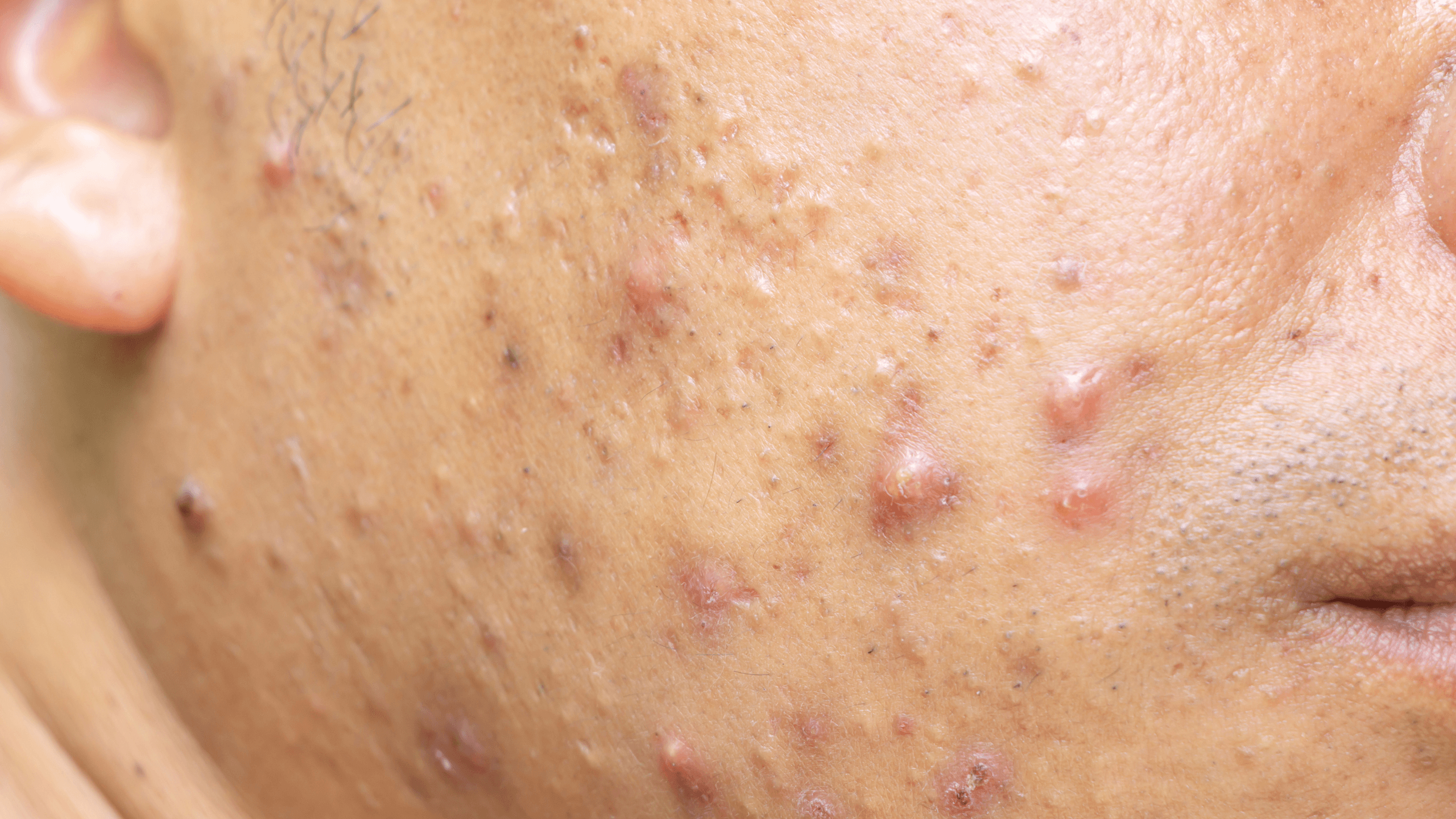
Cystic acne is large, painful, and filled with pus. It develops deep under the skin and can leave scars.
2. Nodular Acne


Nodular acne forms hard lumps under the skin. It is severe and often requires medical treatment.
How Is Hormonal Acne Diagnosed?
Doctors usually diagnose hormonal acne by:
- Examining the location of breakouts
- Asking about menstrual cycles
- Checking for other symptoms like irregular periods
- In some cases, recommending blood tests
If acne is severe or persistent, consult a dermatologist.
Best Treatments for Hormonal Acne
Treatment depends on severity and underlying cause.
1. Topical Treatments
These are applied directly to the skin:
- Benzoyl peroxide
- Salicylic acid
- Retinoids
- Niacinamide
These help reduce inflammation and unclog pores.
2. Oral Medications
For moderate to severe hormonal acne, doctors may prescribe:
- Birth control pills
- Anti-androgen medications
- Oral antibiotics
One commonly prescribed medication is Spironolactone.
3. Isotretinoin
For severe cystic acne, doctors may prescribe:
Isotretinoin
This medication is powerful and reduces oil production significantly. It must be taken under strict medical supervision.
Natural Remedies for Hormonal Acne
If you prefer natural solutions, try these:
1. Tea Tree Oil
Has antibacterial and anti-inflammatory properties.
2. Green Tea
Applying cooled green tea may reduce oil production.
3. Zinc Supplements
Zinc helps control inflammation and oil levels.
4. Healthy Diet
Avoid:
- Excess sugar
- Junk food
- Processed snacks
Eat:
- Fruits
- Vegetables
- Whole grains
- Omega-3 rich foods
Skincare Routine for Hormonal Acne
Follow this simple routine:
Morning:
- Gentle cleanser
- Lightweight moisturizer
- Sunscreen (SPF 30+)
Night:
- Cleanser
- Treatment serum (retinol or salicylic acid)
- Oil-free moisturizer
Avoid harsh scrubs because they irritate the skin.
Lifestyle Changes to Prevent Hormonal Acne
1. Manage Stress
Practice yoga, meditation, or daily walking.
2. Get Enough Sleep
7–8 hours of sleep supports hormone balance.
3. Exercise Regularly
Exercise improves blood circulation and hormone stability.
4. Avoid Touching Face
Touching spreads bacteria and worsens breakouts.
Hormonal Acne vs Regular Acne
| Hormonal Acne | Regular Acne |
|---|---|
| Appears on chin & jawline | Can appear anywhere |
| Painful & deep | Often surface pimples |
| Linked to menstrual cycle | Not cycle-related |
| Often cystic | Usually whiteheads/blackheads |
Understanding the difference helps in choosing the right treatment.
Can Hormonal Acne Be Cured Permanently?
Hormonal acne can be controlled effectively, but permanent cure depends on the cause.
- Teen acne often improves after puberty.
- PCOS-related acne may require long-term treatment.
- Stress-related acne improves with lifestyle changes.
With proper skincare and medical advice, you can achieve clear skin.
When to See a Doctor?
Consult a dermatologist if:
- Acne is painful and cystic
- Acne leaves scars
- Over-the-counter products don’t work
- You have irregular periods
Early treatment prevents scarring.
Common Myths About Hormonal Acne
Myth 1: Acne is caused by dirty skin
False. Hormonal imbalance is the main cause.
Myth 2: Only teenagers get acne
False. Adults also experience hormonal acne.
Myth 3: Popping pimples helps
False. It worsens inflammation and causes scars.
Final Thoughts
Hormonal acne can be emotionally challenging, but it is treatable. The key is understanding the root cause. Whether your acne is linked to puberty, menstrual cycles, pregnancy, or PCOS, the right treatment plan can significantly improve your skin.
Focus on:
- Balanced diet
- Stress management
- Proper skincare routine
- Medical consultation when necessary
Clear skin takes time and patience. With consistent care and the right approach, hormonal acne can be controlled effectively.
FAQs Section (For SEO Ranking)
1. What is the main cause of hormonal acne?
Hormonal acne is mainly caused by fluctuations in androgen hormones that increase oil production.
2. Where does hormonal acne usually appear?
It usually appears on the chin, jawline, and lower face.
3. Can hormonal acne go away on its own?
Yes, in some cases like teenage acne, it may improve naturally with age.
4. Is hormonal acne permanent?
No, but it may require long-term management depending on the cause.
5. Does diet affect hormonal acne?
Yes, high sugar and processed foods may worsen breakouts.