
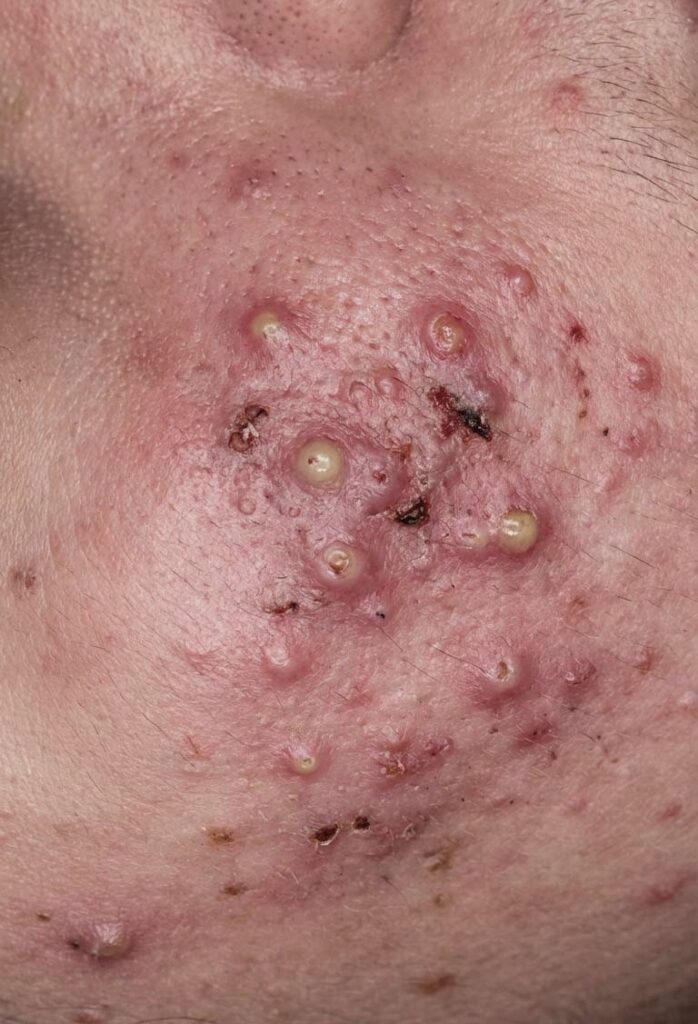
Painful skin acne is more than just a common beauty concern—it can be a serious and uncomfortable skin condition that affects both physical appearance and emotional well-being. Unlike mild pimples, painful acne often develops deep under the skin, causing redness, swelling, and intense discomfort. If not treated properly, it can lead to permanent scars and long-term skin damage.
In this article, we will explore everything you need to know about painful skin acne, including its causes, symptoms, treatment options, and how to prevent it effectively.
What is Painful Skin Acne?
Painful acne is a severe form of acne that usually appears as large, inflamed bumps beneath the surface of the skin. These bumps are often filled with pus and can feel tender or even throbbing when touched. This type of acne is commonly known as cystic acne or nodular acne.
Unlike regular pimples, painful acne does not always come to a head quickly. Instead, it develops deep within the skin layers, making it harder to treat with basic skincare products.
Causes of Painful Acne
There are several reasons why painful acne develops. Understanding these causes can help you manage and prevent it better.
1. Excess Oil Production
Your skin naturally produces oil (sebum) to stay hydrated. However, when too much oil is produced, it can clog pores and trap bacteria, leading to inflammation.
2. Bacterial Infection
A bacteria called Propionibacterium acnes grows inside clogged pores. This bacteria causes infection, leading to swelling, redness, and pain.
3. Hormonal Changes
Hormonal imbalances are one of the biggest causes of painful acne. Teenagers, pregnant women, and people experiencing stress often face this issue.
4. Clogged Pores
Dead skin cells, dirt, and oil can block pores, creating the perfect environment for acne to grow.
5. Poor Skincare Habits
Not cleaning your face properly, using harsh products, or touching your face frequently can worsen acne.
Symptoms of Painful Acne
Painful acne has distinct signs that make it different from regular pimples:
- Large, red, swollen bumps
- Deep pain under the skin
- Pus-filled lesions
- Skin tenderness
- Warmth around the affected area
- Slow healing process
Sometimes, these acne spots can stay for weeks and may leave dark marks or scars after healing.
Types of Painful Acne
1. Nodules
Hard, painful lumps under the skin with no visible head.
2. Cysts
Soft, pus-filled lumps that are very painful and often lead to scarring.
Both types require proper treatment and should not be ignored.
Why You Should Not Ignore Painful Acne
Many people think acne is just a temporary problem, but painful acne can become serious if left untreated.
- It can lead to permanent scars
- Infection may spread to nearby skin
- It can cause emotional stress and low confidence
- Skin may become permanently damaged
Ignoring painful acne only makes it worse over time.
Treatment Options for Painful Acne
Treating painful acne requires patience and the right approach. Here are the most effective treatments:
1. Topical Treatments
Creams and gels containing benzoyl peroxide or salicylic acid help reduce bacteria and unclog pores.
2. Oral Medications
Doctors may prescribe antibiotics to control infection or hormonal medicines to balance hormones.
3. Warm Compress
Applying a warm cloth can help reduce pain and bring the acne to the surface.
4. Professional Treatment
Dermatologists may perform procedures like:
- Drainage of cysts
- Steroid injections to reduce swelling
- Laser or light therapy
5. Pain Relief
Mild painkillers can help reduce discomfort in severe cases.
Home Care Tips
If your acne is mild to moderate, these home remedies can help:
- Wash your face twice daily with a gentle cleanser
- Avoid touching or squeezing acne
- Use oil-free skincare products
- Apply ice or warm compress for pain relief
- Keep your skin clean and hydrated
Never try to pop painful acne yourself, as it can worsen the infection and cause scarring.
Prevention of Painful Acne
Preventing acne is always better than treating it. Follow these simple steps:
1. Maintain Hygiene
Clean your face regularly to remove dirt and oil.
2. Healthy Diet
Avoid oily and sugary foods. Eat fruits, vegetables, and drink plenty of water.
3. Manage Stress
Stress can trigger hormonal changes that lead to acne.
4. Use Suitable Products
Choose skincare products according to your skin type.
5. Avoid Sharing Personal Items
Do not share towels, makeup, or razors to prevent bacterial spread.
When to See a Doctor
You should consult a doctor if:
- Acne becomes very painful
- It spreads quickly
- It does not improve with home treatment
- You notice scarring
- You have frequent breakouts
Early treatment can prevent long-term skin damage.
Emotional Impact of Painful Acne
Painful acne not only affects your skin but also your confidence. Many people feel embarrassed or stressed because of their appearance. It is important to remember that acne is a medical condition and can be treated.
Taking proper care and seeking help when needed can improve both your skin and your confidence.
Conclusion
Painful skin acne is a serious condition that requires attention and proper care. It is caused by factors like excess oil, bacteria, and hormonal changes. Recognizing the symptoms early and choosing the right treatment can help prevent complications like scarring and infection.
By maintaining good hygiene, following a healthy lifestyle, and seeking medical advice when necessary, you can manage painful acne effectively and achieve healthier skin.